Poem & Guide
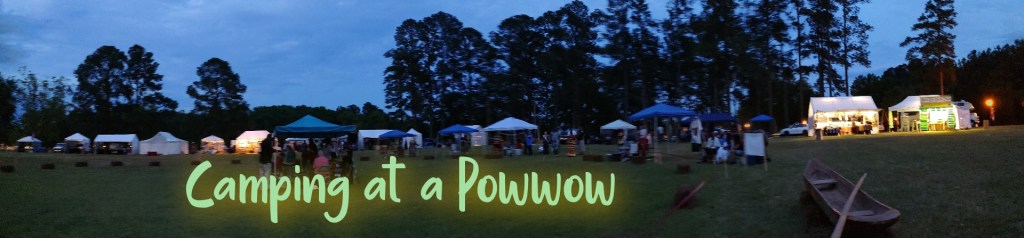
Camping At A Powwow
Under the moon and stars we lie
in a dew-dampened tent.
The night stays young as the cricket choir competes with the pitter-patter of little moccasins,
Indian braves fighting an inevitable battle with sleep.
Campfires lend to warmhearted storytelling and jesting
until the last voice caves to the silence of the night.
Morning breaks to the beat of a drum.
Rise up. Shine, and bless Creator.
The birds enjoin in cheerful praise.
The flags begin to raise.
Prepare to honor the elders and veterans
who have served to protect our land, nation, families and tribes;
who pass down the sacred wisdom of the ancients.
The air is filled with the smell of sage.
Skilled artisans display their craftsmanship
as we head down vendor row
toward the never-ending circle of life.
Jingles jangle with the dancers fringe;
We dance and stomp until day’s end.
And then, we camp again.
For a moment transported back in time
to when the ancestors lived in a similar way
Glimpses of their past
beg for our return
to a more simple way of being.
But in nomadic tradition…
We pack up and leave.
-Forever Blessed
If you’ve never camped out at a pow wow before, it’s a lot of fun, and you should give it a try!
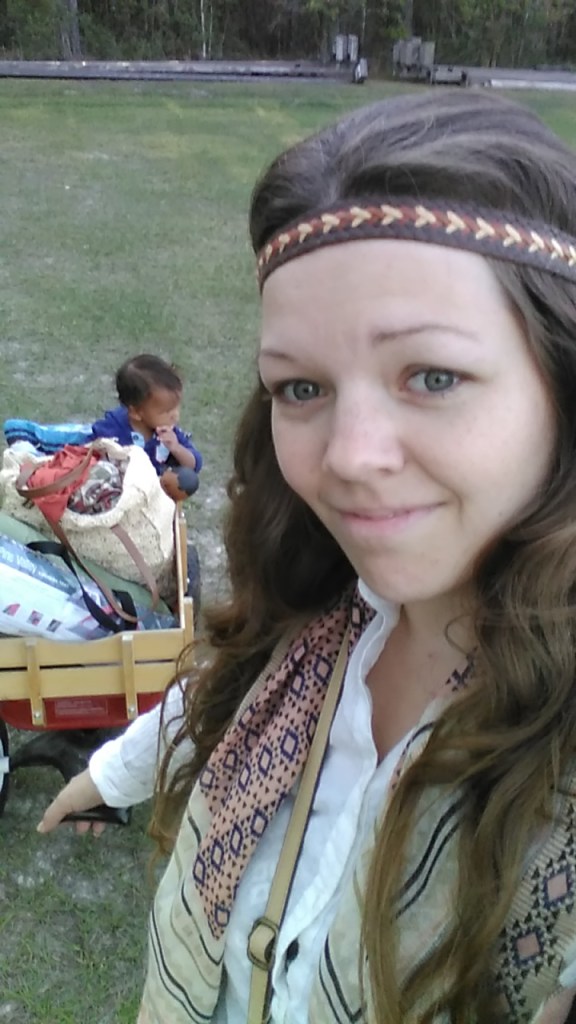
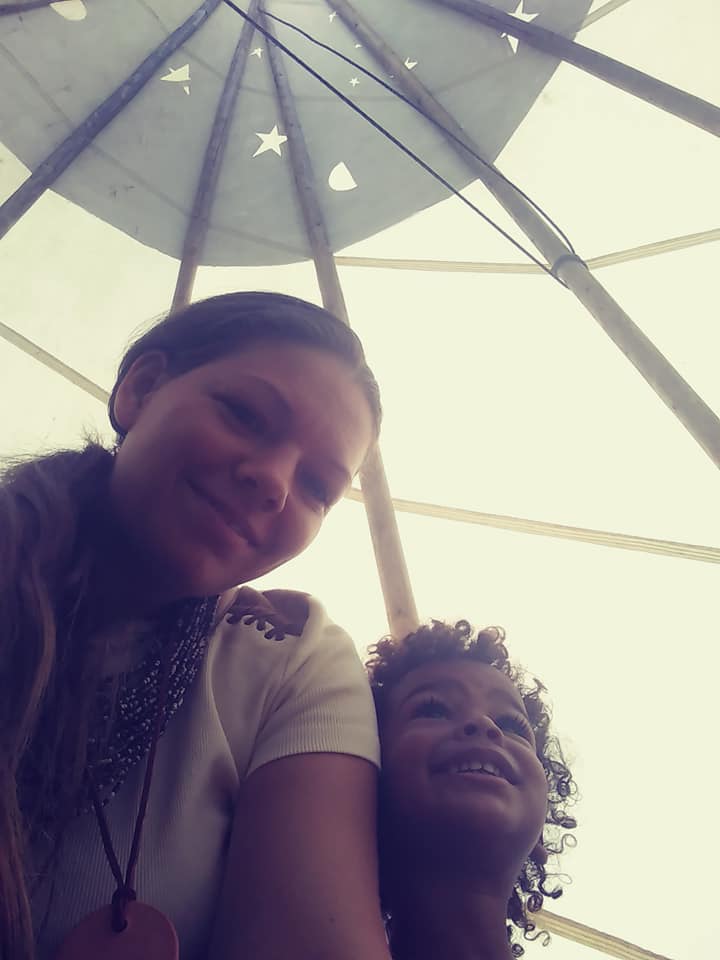
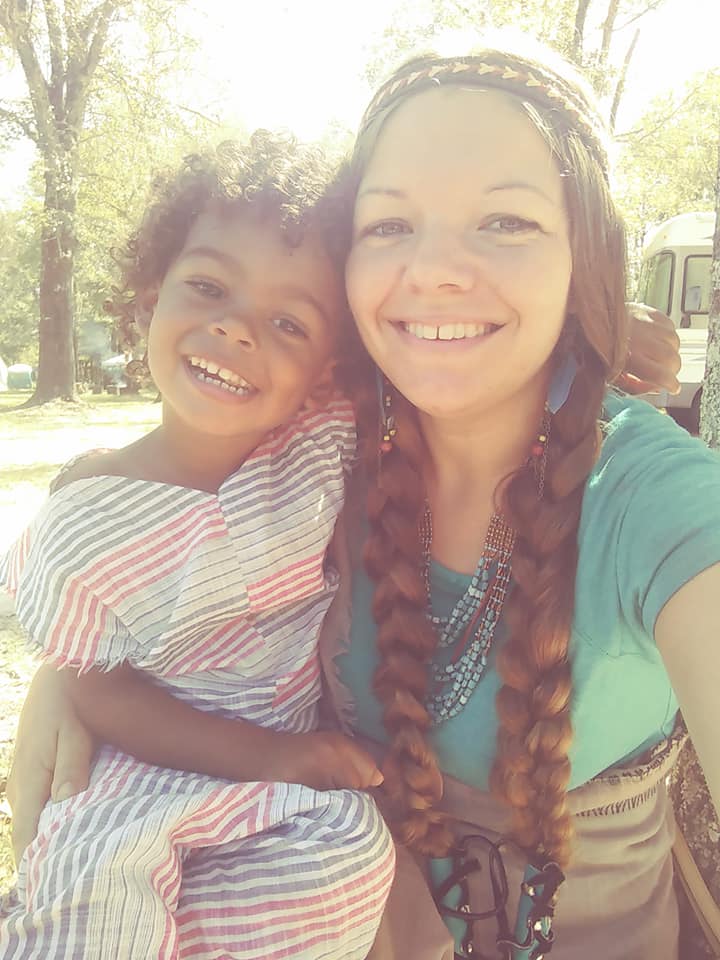
We’ve been powwow camping since my son was a toddler so we’re kind of becoming pros at it! (Not our teepee)
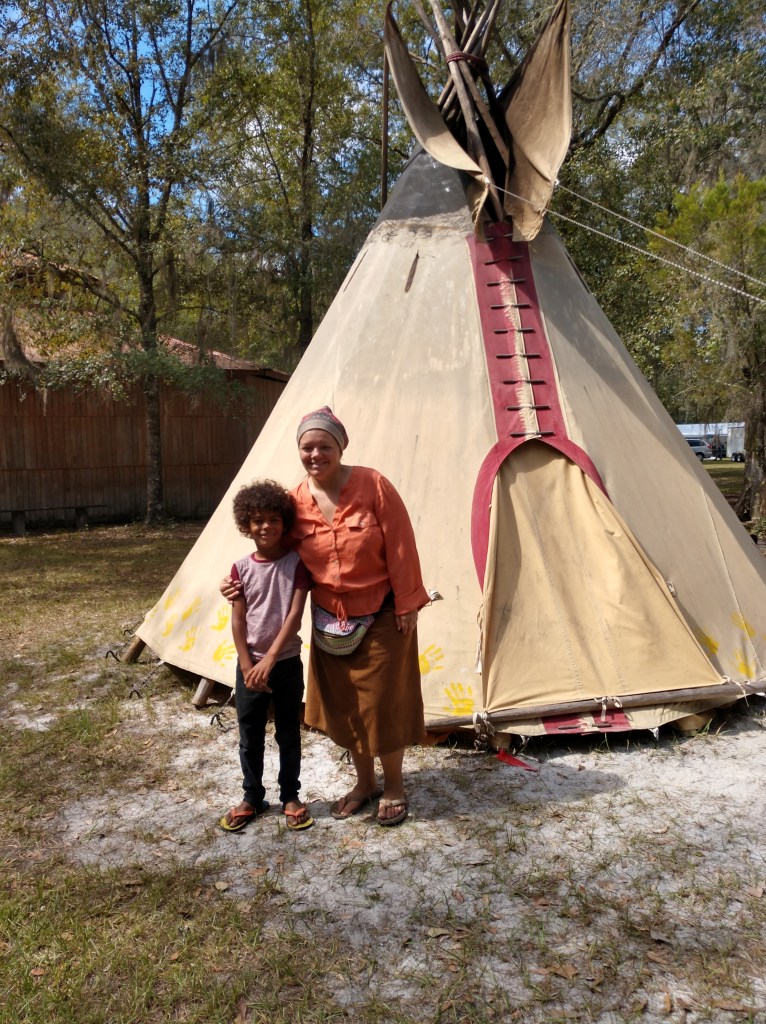
Shockingly, I’m still sometimes asked, “What is a Powwow?” So, I’ll start by answering that question. In general, a powwow is a Native American gathering. A time when natives get to celebrate their culture and often when other tribal nations and public spectators get to join in and share the festivities. They typically last a few days and follow a similar schedule from tribe to tribe and region to region, but are each uniquely different. Native members or friends come from all over the United States, Canada and South America.
There’s dancing…more dancing… food, traditional craft vendors, talking and story sharing… sometimes special dances. Did I mention dancing?
When the drummers aren’t drumming, the dancers and everyone else gets a break to cool off, grab something to eat, walk around, check out the vendor booths and socialize. You may hear traditional native flute music playing in the background (really soothing to the soul!)
Sometimes a live flute player may perform. You may hear children laughing and playing while running around (you may also hear them being reprimanded by multiple elders as everyone looks out for them). Sometimes stories or poems are shared. Sometimes a raffle or two is won. Sometimes there’s a trade blanket (where items to trade are laid to offer and stake claim to). There’s usually a few “hoots and hollars.”
But more than all of that, the powwow isn’t just about performances and entertainment, the powwow creates an opportunity for community and togetherness. As one Chief pointed out, there’s freedom here for the kids to enjoy running around like they don’t always get and everyone must work for unity. We’re always thinking from 7 generations before and 7 generations ahead.
The powwow preserves native traditions and native history through storytelling, dancing, traditional clothing, rituals and the simple, yet unifying act of gathering. School groups, boy scouts and other clubs often attend to learn about native culture from tour guides and if you’re lucky you’ll get to see a few demonstrations of native craftsmanship in the making.
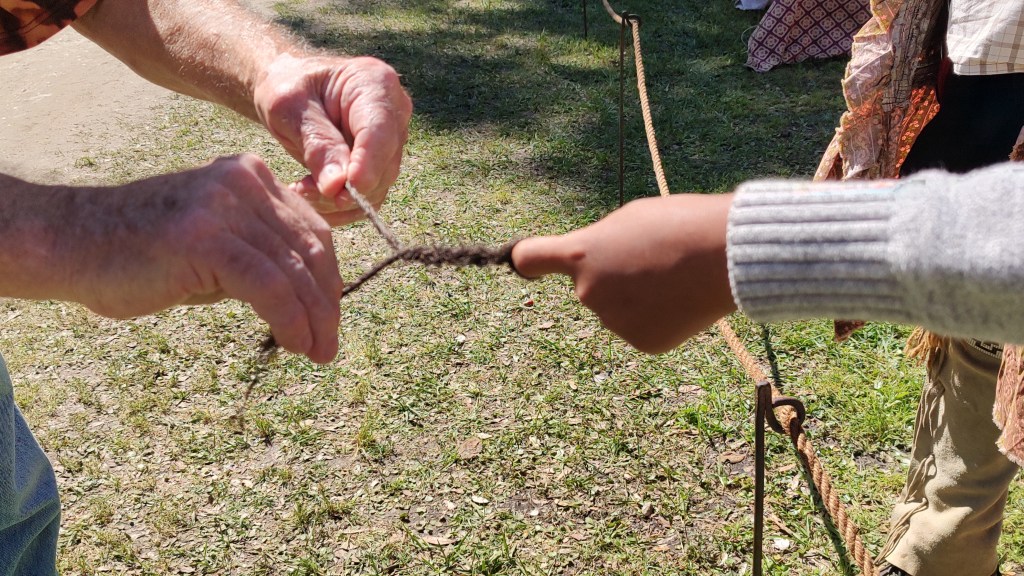
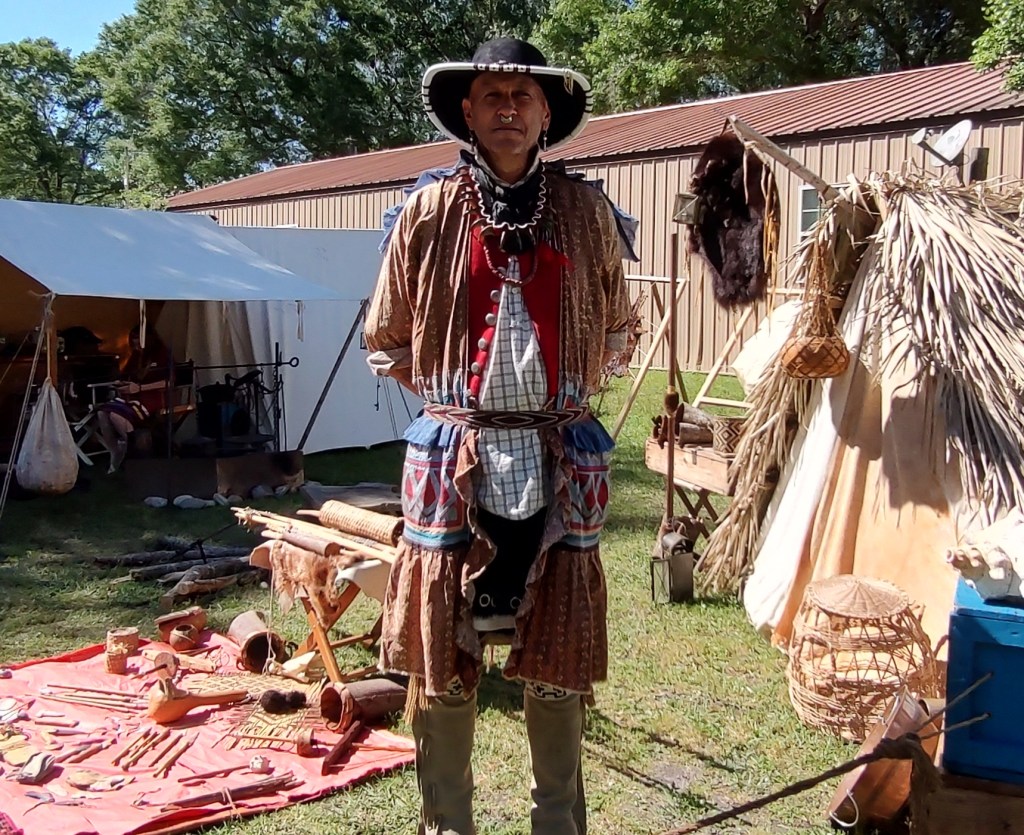
And don’t forget most powwows are held outdoors, so it’s a great chance to get some sunshine, feel the breeze and breathe in the fresh air. On the same note, not everyone is as well adapted to the outdoor elements. I recommend always having water nearby to stay hydrated and cool off with. Look for or bring your own shade if necessary. You may need to bring your own seating or blanket and extra snacks.
Please also be warned that if you are sensitive to allergens, you’ll want to make sure you sit or setup your space upwind of any booths that have strong scents or fragrances and be mindful of the fact that smoking is normally allowed without designated no-smoking areas.
Camping
So, what about camping?
How do you camp at a powwow?
Well, of course the first step is to find and locate a powwow. I usually learn of places through word of mouth, but there are several online sites that offer help in this area. It’s no surprise, but Powwows.com is one of the most popular sites to find upcoming pow wows.
Also try:
https://www.doa.nc.gov/divisions/american-indian-affairs/events-calendar
Next you’ll want to find out from online details or via a phone call if camping is even available. Every powwow is independently run and has their own rules and site restrictions. I highly recommend always contacting someone by phone (or at least email) and staying in touch to be sure that the event is not canceled and to verify your specific camping accommodations are met and permission is granted. It’s also courteous since it gives the hosts a better idea of how many people are going to show up. (You may even find out some bonus info only shared with call-ins ;))
When camping on grounds is confirmed and as part of the first steps, you’ll want to know what type of camping is allowed and what type of camping you want to do. Primitive camping… tent camping with water and electric hookups …or RV camping. (Let me know if I miss any alternatives! One guy at our last camp was simply sleeping in a hammock, for example. Pretty nice way to go!…until it rains…)
Camping Types
Primitive camping is basically being given a temporary plot of land where you understand that you are responsible for providing everything else you need for yourself -food, water, shelter, lighting and safety measures. If RV camping is permitted there may still be limitations on hookups so you’ll want to find out if there are public showers. Restrooms are generally a given, but if there are no showers and you’re not bringing your own, wet wipes are very popular at these events. Sometimes you can find nearby public places to shower.
My next advice is to be adaptable. Coordinating event accommodations are always subject to changes. Mistakes happen or unforeseen changes happen that might mean you don’t get the spot you originally anticipated or maybe it doesn’t have a hookup after all. Who knows. Be as prepared as possible and have backup plans. If you’re planning on using fire or camping over a stove -again, make sure you’ve been given clearance to do so, so that you don’t end up wasting a cooler full of raw meat or have a group of disappointed kids who don’t get to roast marshmallows :)).
Be respectful of Native culture:
To date, there are 574 federally recognized native tribes in the U.S.A. By identifying populations, the top majority belong to the Mexican, Navajo, Cherokee and Sioux nations, but diversity and practice of traditions can vary from tribe to tribe and even within tribes, so, many indigenous people prefer to be known and recognized individually. When you attend a powwow it’s important to learn and become familiar with at least the most common customs of the event if you want to show you have respect for the people hosting it and welcoming you in.
Generally announcements will be made for the public as to what the rules are and in what ways you can participate. The powwow I’m currently at even has a QR code to scan that opens a flipbook guide. Otherwise try to meet the chief or head elders or anyone who can clue you in and show you the ropes.
Fun facts: Largest Powwow in North America – Albuquerque, New Mexico.
Lastly…. Enjoy it! Get your dance groove on, learn something new and enjoy camping in the great outdoors with good company.
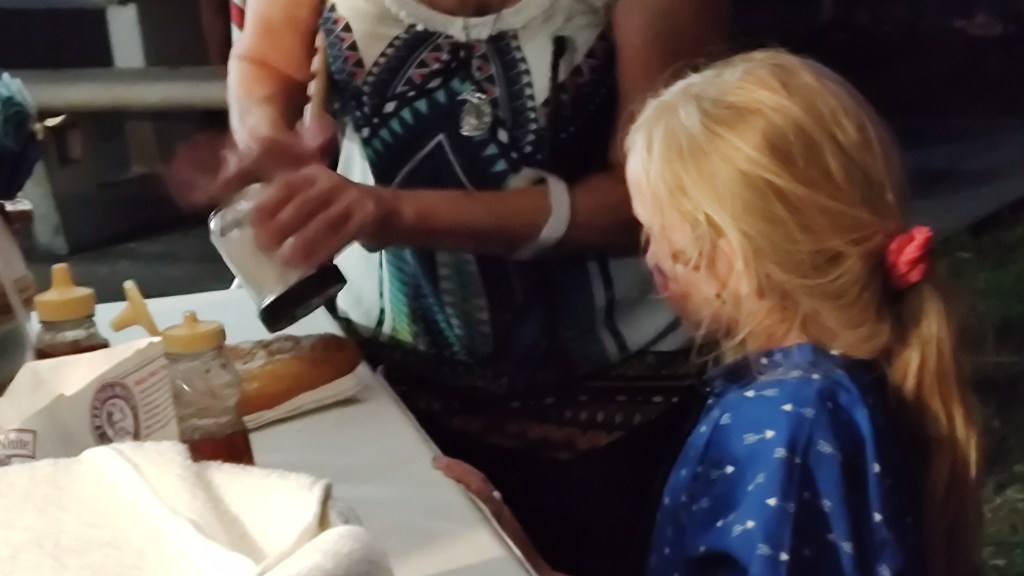
P.S. Don’t forget to try some frybread!
In case you didn’t know THIS is the proper way to eat fry bread … Well, it’s how I do it anyway… 🙂 (Topped with Indian chili / Firewater chili) Otherwise it’s usually honey or powdered sugar.
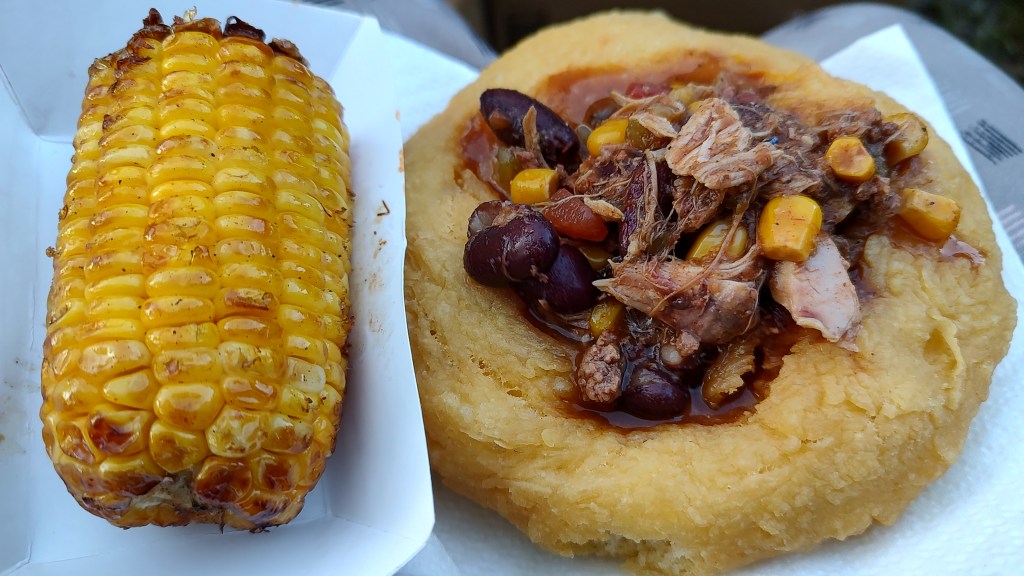
P.S.S Don’t forget to like, subscribe and share this with someone you think might enjoy camping at a powwow!
Wado,
iam:ForeverBlessed


What’s your angle and perspective?