Timucuan Preserve | Travel | Explore America | Florida Destinations | Florida Wildlife | East Coast Ecology | Preservation | Environmental Activism | Jacksonville, FL | Local History | Heritage | Wildlife Protection | Environment | Natural Habitats | Wetlands | Salt Marsh | Forest | Coastlines | Native Plant Species | Habitat Protection | Seafood | Food Security | Water Quality | Human Roles | Development | Progress | Gullah Geechee | Tribal Nations | Indigenous Knowledge | SASMI | South Carolina Coastal History | Communal Concepts | Community Concepts | Shared Wealth | Teamwork | Marsh Forward | Personal Insights | Religion | Spirituality | African-American History | Fun Facts | Native Americans | Native Medicine | Native Crafts | Talbot Islands | Salt Life |
Sequel to Timucuan – An Overview of the Ecological and Historical Preserve in Jacksonville, FL, USA
Intro/Overview
Salt Marshes
SASMI / Marsh Forward
Gullah Geechee
Fun Facts
Flora / Medicinal Plants / Indigenous Uses
Planning / Exploring Timucuan Preserve
Willie H. Brown
Slideshow
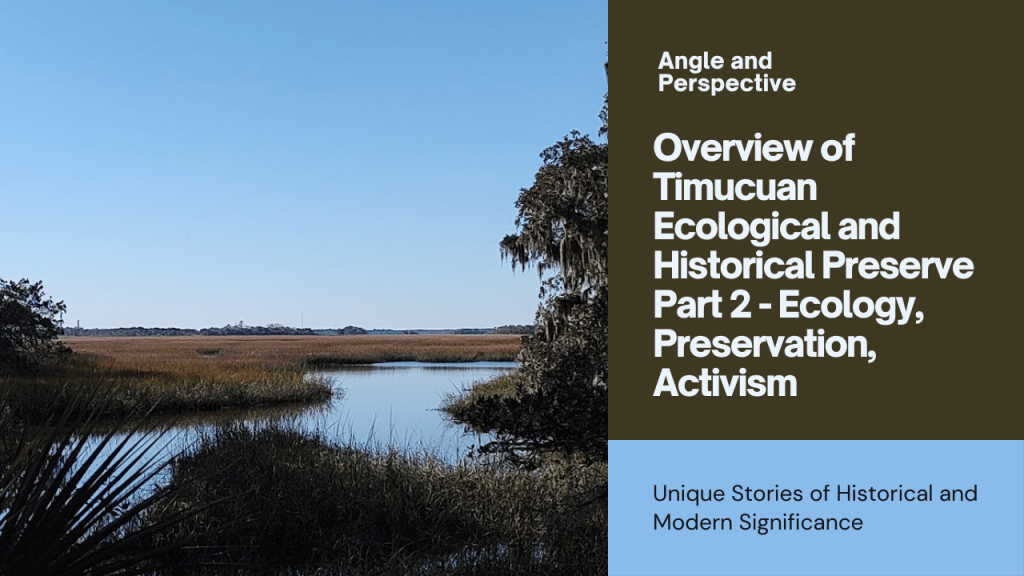
IN the northeast region of the largest city in Florida, the Timucuan Preserve is one of Jacksonville’s best hidden gems. It spans thousands of years of native presence to a couple-hundred years of colonial rule leading us into our modern era. The preserve is a mixture of prehistoric memory and present day tourism. The ecology of the preserve has changed both naturally and via human intervention throughout its history. Today, it’s serving a valuable purpose in protecting wildlife and by providing beneficial environments that preserve conditions for nearby human habitats to exist and thrive.
Said to be Florida’s last unspoiled wetlands, it covers 46,000 acres of waterways, salt marshes, coastal dunes, and hardwood hammocks. It also preserves key sites in Florida history such as the Fort Caroline National Memorial, The Kingsley Plantation, Ribault Club, and has in the past decade been a landmark for colonial and indigenous archaeological excavations. To learn more: [Read Here]
Geographical Map of Timucuan Preserve
Salt Marshes
The majority of the Timucuan Preserve is made up of salt marshes (35,000 acres1). They flood at high tide: bringing in new life; and drain at low tide: washing out old waste. Miles of tall seagrass grow in the soggy mucklands of the intracoastal waterways. This creates a buffer between the ocean and mainland, slowing erosion as the tide recedes. The marshes also act as sponges for rainwater, keeping higher grounds from flooding which is specifically helpful to residential areas.
Ever wondered where all the mud in a salt marsh comes from? It’s often called pluff mud and is made up of decomposing organic matter, up to several feet thick. Less oxygen reaches the mud since most of the time it’s covered by seawater. This can cause it to give off a foul smell of sulfur. For the same reason marshes have been noted for their high capacity to retain carbon dioxide1, a greenhouse gas.
There are many types of creatures that are preserved by the salt marshes presence. The marshes provide food, shelter, and act as a nursery habitat for young species of aquatic life such as: shrimp, crabs, oysters, and clams. It also provides food and shelter to larger land-loving animals like turtles, racoons, alligators and various water birds. The osprey can be found in the Timucuan Preserve and is the official bird of Jacksonville’s University of North Florida (UNF).
“Salt marshes are a common habitat in estuaries, or areas where salt and fresh water meet, creating a mix called brackish water. Estuaries function as nurseries for young marine life, providing a refuge for these creatures to mature in, and they provide shelter and food for over 75% of marine fisheries species. This makes salt marshes especially important for seafood lovers and the economy, as multiple industries rely on the health of marine fisheries for success.” – National Park Service / Timucuan2
Fun Fact: “The osprey – a member of the hawk family with a wingspan of up to 6 feet – is capable of diving 80 mph in pursuit of fish, which constitute its main diet.” -UNF3
Personal Insight: A week ago we had a rare sighting of 4 ospreys and one eagle flying overhead by our home. It was difficult to get a good quality picture with my phone. My son had been telling me he’d seen the eagle several times before. I never saw it but did hear it one day. This was the day we both got to see it together. You may be able to identify a few specs in the sky below.
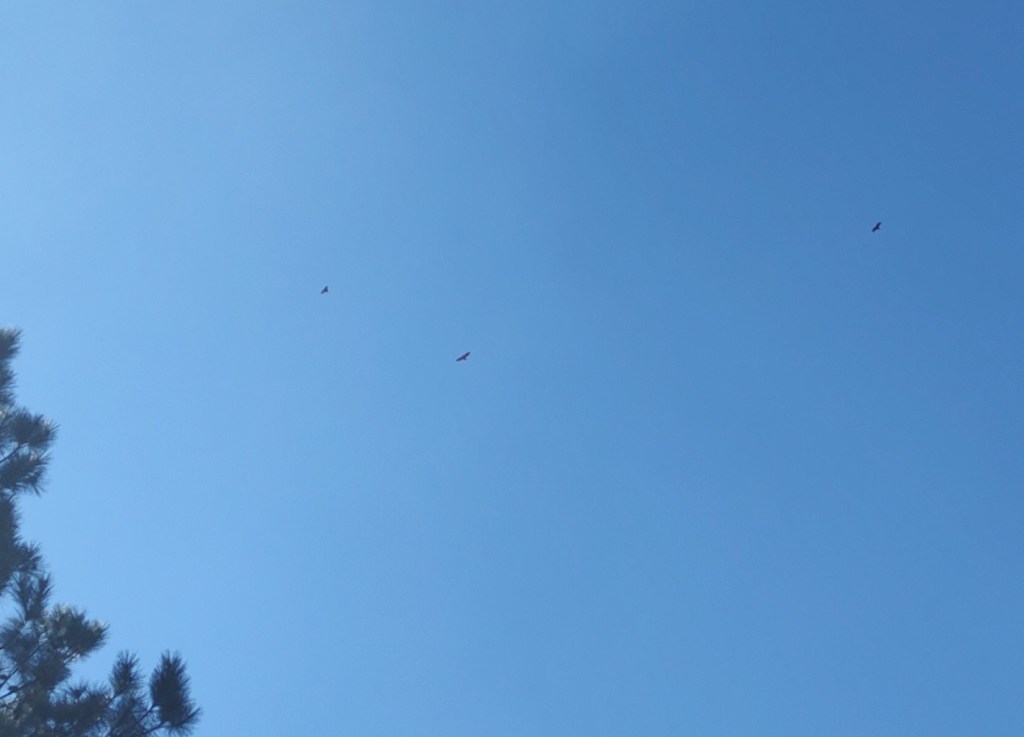
>>> Wondering where you might find an osprey nest around Jacksonville and other parts of Florida? Check out Florida Wildlife Viewing:
https://www.floridawildlifeviewing.com/florida_wildlife_hotspots/NestingOspreys.htm
https://www.allaboutbirds.org/guide/Osprey/overview <<<
As you might imagine, the muddy salt marshes aren’t always the easiest places for humans to visit and this has something to do with why an estimated 70% of marshlands around the US coastlines have disappeared. Coastal development has played a role. Waste runoff -particularly fertilizer and human sewage, are among main contributors as well. When the ecosystem is disrupted by construction or drainage it leads to invasive species becoming more abundant, along with a loss of native fish and aquatic species. This leads to further impacts to water quality and food security for both animals and people alike.
Without the strong defense of salt marshes along the coastlines, hurricane impacts can become more severe as we have seen in recent years. For this reason it’s important to understand the need to rebuild salt marshes to help combat climate change.
SASMI – Marsh Forward
One of the projects focused on preserving and rebuilding the salt marshes is the South Atlantic Salt Marsh Initiative (SASMI). They’ve organized Marsh Forward, a regional plan dedicated to the million acre salt marsh ecosystem extending from North Carolina, South Carolina, through Georgia, and to Florida.
Learn more @ https://marshforward.org/
The Gullah Geechee nation has played a vital role in supportive efforts. They are one of America’s oldest surviving cultures. Dating back to the 1500’s, the Gullah people represent the descendants of enslaved West Africans, brought over for their expertise in rice cultivation. They settled in South Carolina’s Sea Islands and still predominantly live in the low country region of the U.S. -in the states of South Carolina, North Carolina, Georgia, and Florida, within the coastal plain.4
Their involvement with Marsh Forward and other social and environmental activism comes from their deep-rooted beliefs, a mixture of African tradition and Christian ideology:
“Religion and spirituality have a sustaining role in Gullah family and community life. Enslaved Africans were exposed to Christian religious practices in a number of ways and incorporated elements that were meaningful to them into their African rooted system of beliefs. These values included belief in a God, community above individuality, respect for elders, kinship bonds and ancestors; respect for nature, and honoring the continuity of life and the afterlife. Lowcountry plantations frequently had a praise house or small structure where slaves could meet for religious services.” – GullahGeecheeCorridor.org
They continue to embody these values today in many ways, including helping with the SASMI project.
SASMI Marsh Forward video – Narrated by Queen Quet, Chieftess of the Gullah/Geechee Nation
I’d like to note as well, since this journal is dedicated to communal concepts, of the Gullah Geechee dedication to shared land among their nation. The land is communally owned and passed down through heir’s law, but is a constant battle to maintain as “progress takes it toll.5”
“One of the things you’ll notice that you’ll never see outside of Gullah Geechee homes, usually, are signs like that – [PRIVATE PROPERTY] NO TRESPASSING.” -Queen Quet, Marquetta L. Goodwine
“When I was growing up, it was a close-knit community. If someone needed a house to be built, everybody joined in and helped that person build that house -don’t have to pay a dime. When the time come around for you, the community’d get together and do the same thing to you…This community was one big family, but now the community is far divided, everyone is more like an individual -looking out for number one.” Lawrence Palmer, elder resident
You can learn more in this mini-documentary from Vice News. At the beginning of the video you can also hear Queen Quet share a story on impacts of bull-dozing the marsh land (as mentioned in the section above: Salt Marshes.)
A Vanishing History: Gullah Geechee Nation
Personal Insight: I have some distant kin that live on the edges of the salt marshes of South Carolina who are small-scale, generational farmers that I’ve reached out to for more info on, from people who know the Gullah Geechee nation, so I may have some interesting follow up in the future!
Personal Insight: This also randomly reminded me of the history of peanuts… I have very fond memories of helping my Papa (Grandfather) pull up small plots of peanuts he planted for several years when I was a kid. It was so cool to see the bundles of dirt clobs mixed with peanuts hanging from the roots. We’d pick each peanut off, one by one, then my Nana (Grandma) would wash them and boil them in salt water. Then our favorite part…eating with no intention of stopping until they were gone!
Fun facts: Peanuts are believed to originate from Peru, South America, but the majority of peanuts in America were brought over from Africa during the slave trade. They were originally used primarily for animal fodder, but in the mid-eighteen-hundreds started becoming a popular food for human consumption.
More fun facts: Peanuts, along with other nuts high in niacin, are said to be good for overall cognitive health including reducing risk for Alzheimer’s disease. Another one of Florida’s popular universities, the University of Florida (UF) with dedicated health studies and services has even found peanut butter to be helpful in the diagnosis of Alzheimer’s disease, indicating those with the disease have a more difficult time being able to smell out of the left nostril!
Digressing from the rabbit hole of peanuts… 🙂
( Hope you enjoyed that commercial break 😀 )
Back to the preserve…!
Flora – Plant Diversity
The plant diversity in the Timucuan Preserve is too diverse to cover thoroughly here, but here are a few lovely species to start along with some of their uses to wildlife, humans and the local ecosystem.
Wax Myrtle – The bark of the wax myrtle tree can be ground into powder and used as a stimulant to help treat ulcers. In some parts of the world its extract is considered a cure for dysentery.
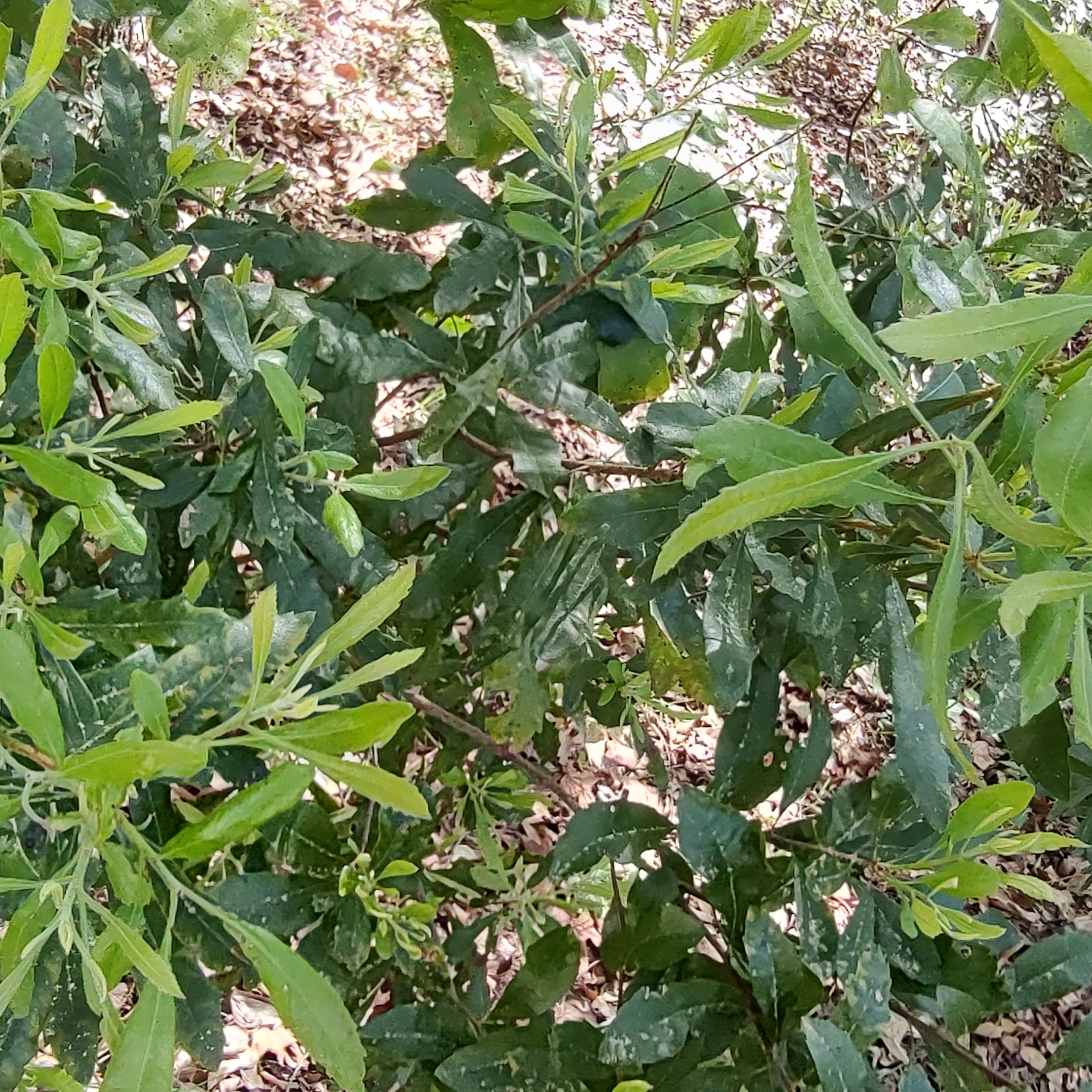
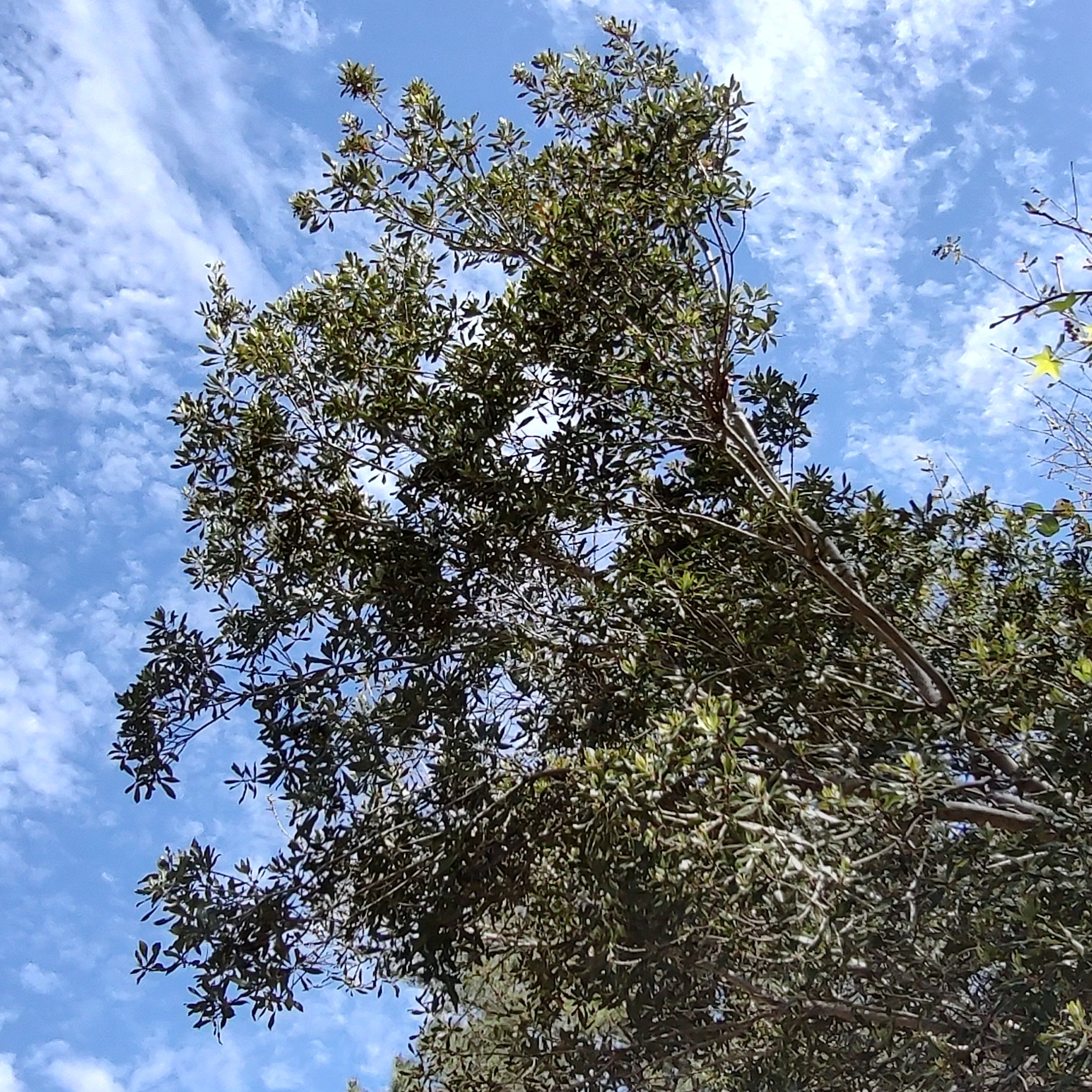
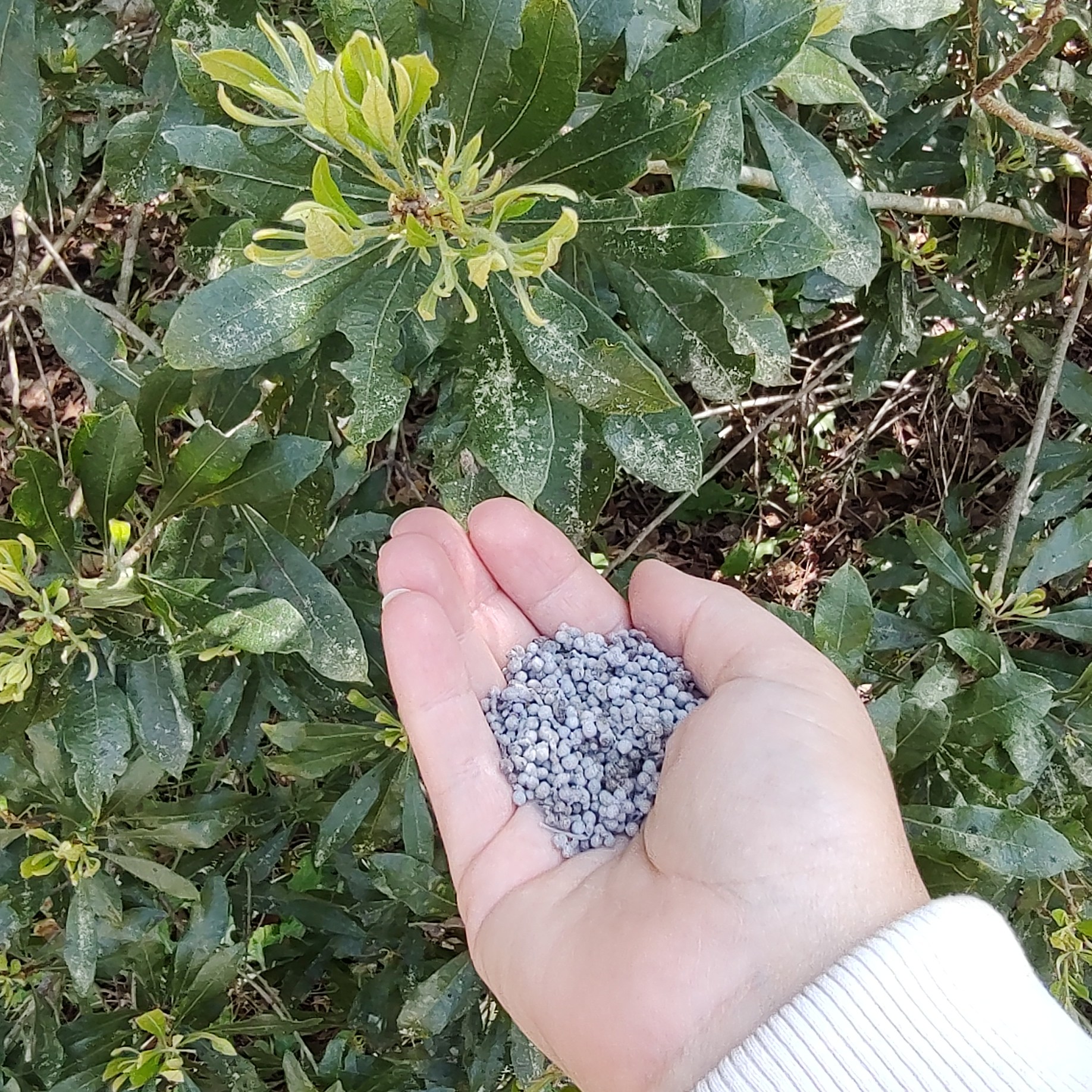
Photo Credits: Forever Blessed
Personal Insight: These are very common in our area. My son and I pick the berries and dry them for ground seasoning. The Native Americans used them to make candles by boiling the berries to release their wax. I’ve attempted this unsuccessfully but probably because I used a very small amount of berries -instead I just added the berries, along with bay leaves as add-ins for two of my homemade candles. Another trick I learned from “Indigenous knowledge” is to crush the leaves (by hand) and rub them on the body as a natural mosquito repellent (much needed in Florida). I’ve found this works mildly effectively.
Magnolia grandiflora – One of the most beautiful flowering wild trees in the South is the Magnolia tree. The thick, white blossoms are stunning against the smooth dark green leaves they peak from and can grow to the size of a large hand. The flowers have a sweet, pleasant fragrance. They grow wild in the preserve and around North Florida, but are often planted as ornamental trees around homes and businesses. The wood is used for furniture, pallets and veneer.
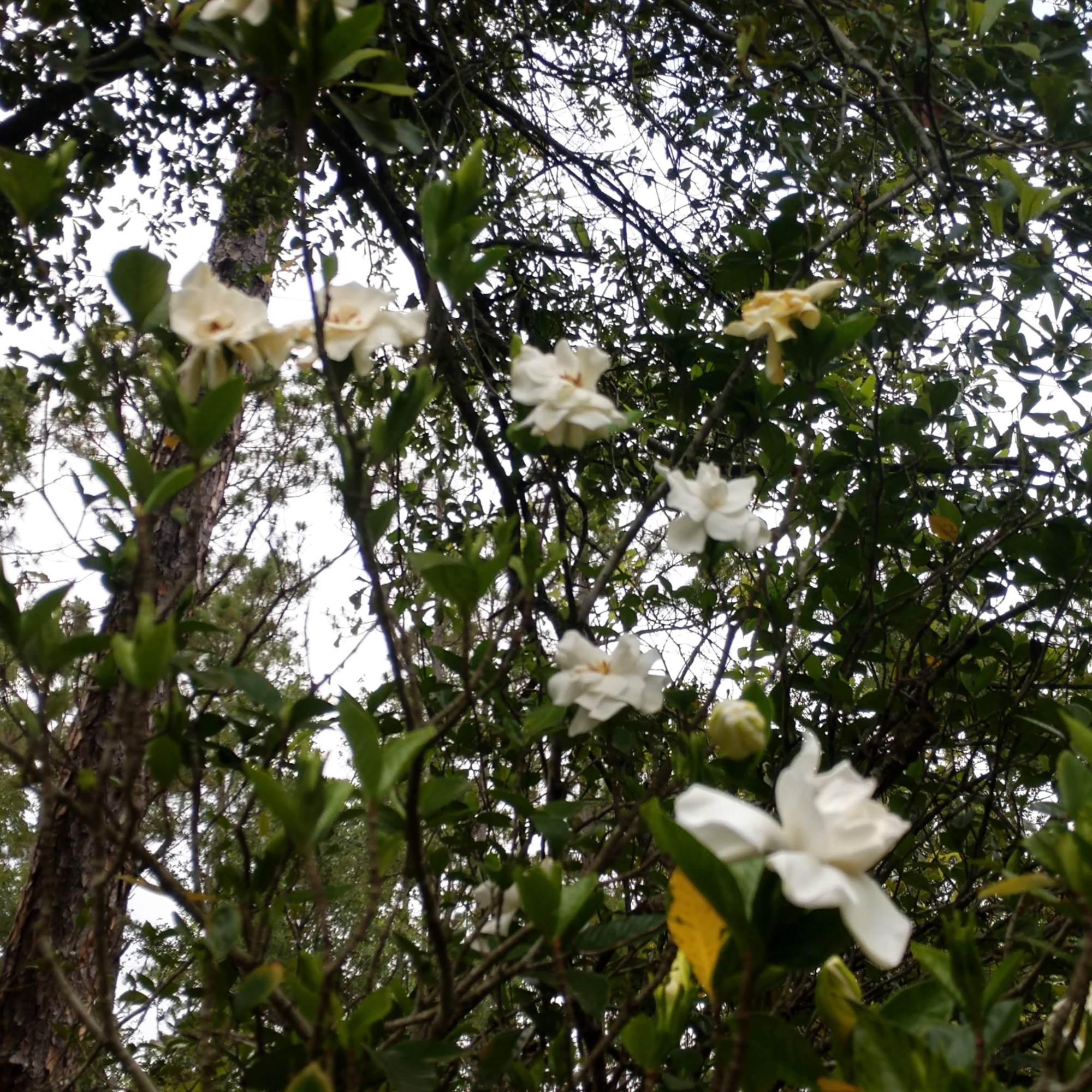
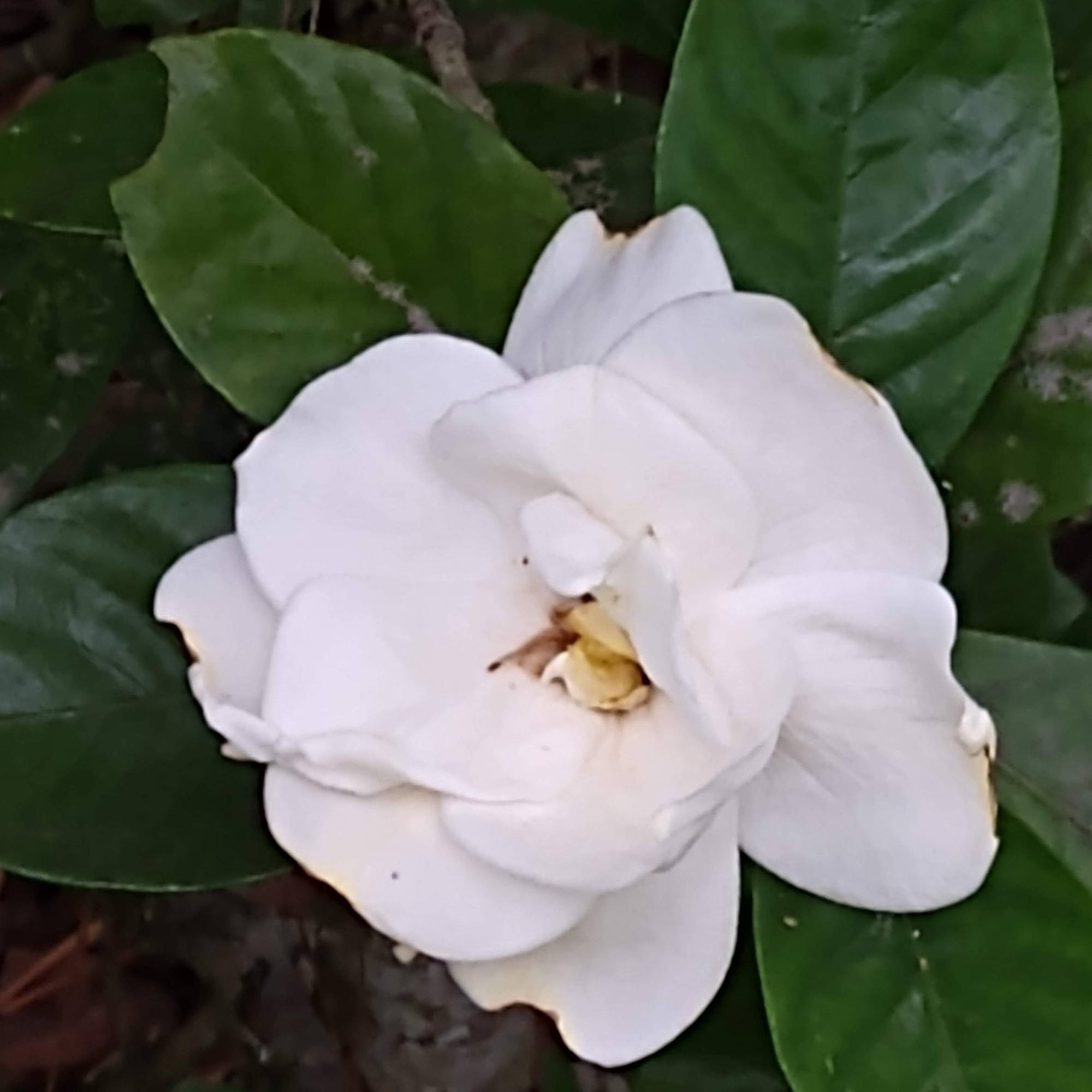

Photo Credits: Forever Blessed
Personal Insight: I’ve made homemade perfume with the flower petals in an alcohol base. So far, one of my favorite wild fragrances!
Chiococca alba aka Snowberry – what I think of as an albino blueberry, slightly more oval shaped, with a 5-pointed star crown. It’s a butterfly-friendly pollinator and can grow up to 10 feet in height.

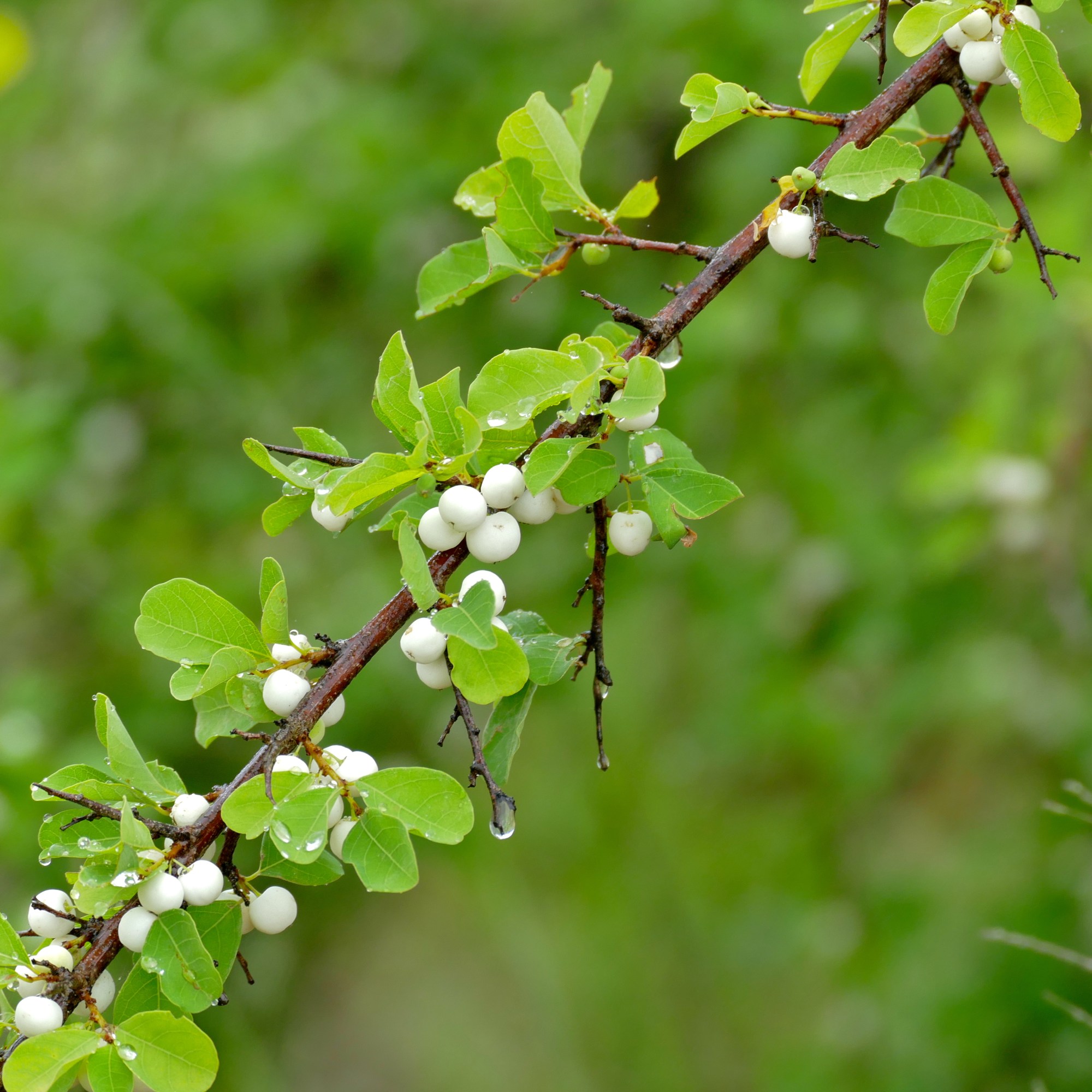

Photo credits: WikiCommons
Ethnobotanical Information:
“Snowberry has many medicinal uses. An infusion made from snowberries can be used in treatment of sore, watery eyes. Fresh snowberries can soothe burns, rashes, and sores on the skin. The root and stem of Snowberry can be used in treatment of urinary retention, tuberculosis, venereal diseases, and fever associated with toothache. Crushed snowberries are used as natural lotion for the hands in Russia. Native Americans used the fruit of Snowberry as a natural shampoo (due to the foaming properties of this plant) and to accelerate the digestion of fatty meals. Ingesting the berries for humans causes mild symptoms of vomiting, dizziness, and slight sedation in children due to the isoquinoline alkaloid chelidonine as well as other alkaloids.” – iNaturalist.org6
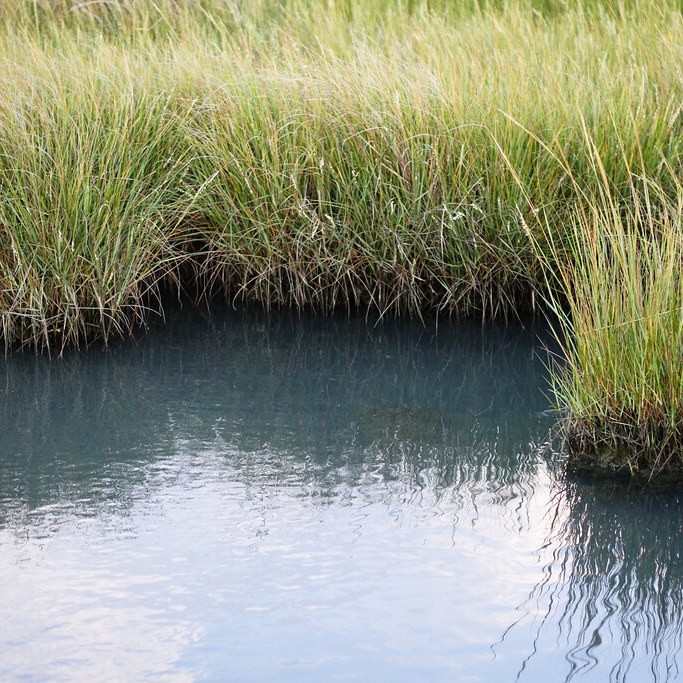
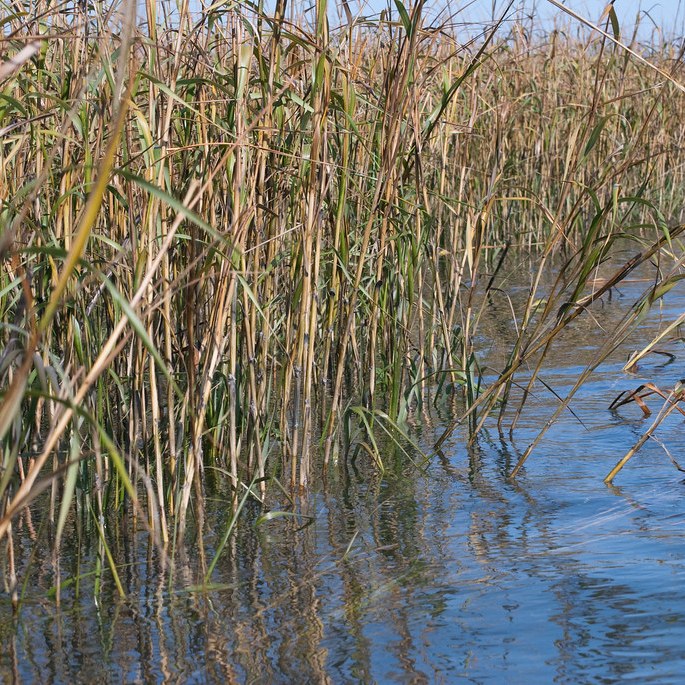
Images credit: Flickr
Smooth cordgrass, or Spartina alterniflora
The most common seagrass found in a salt marsh is Smooth cordgrass, or Spartina alterniflora. As cordgrass absorbs water through its roots, a special membrane filters it, keeping most of the salt out.7
Smooth cordgrass and Black needlerush (Juncus roemerianus) thrive well together in the Timucuan Preserve. The roots of the Smooth cord grass are a favorite food of snow geese.8 It has been tested to be somewhat petroleum tolerant and resillient under “appropriate conditions” and “could be considered as a viable, quick response oil spill remediation option for smooth cordgrass dominated wetlands to minimize oil migration.”9
Ethnobotany:
Smooth cordgrass was utilized as a food source by Native Americans in coastal areas of Virginia (LaRoche, 2007). Rousseau (1945) reported that the Iroquois used smooth cordgrass as a source of food and forage. Zent (2013) reports that smooth cordgrass is one of over 20 common marsh species used in the traditional craft of creole basket making, a craft initiated by African descent slaves. The baskets were highly valued to store rice and grains in southern states (Georgia, Florida, Alabama, and Mississippi). Inhabitants of coastal communities have traditionally used thatching made from smooth cordgrass to construct farmhouse roofs (Bandaranayake, 1998)”10
*You can view photos of these plants and more from the NPS website: Flora of the Timucuan Preserve*
Exploring the Timucuan Preserve
There are many ways to explore the sites within the Timucuan ecology, most of which are free, others for nominal fees. If you’re a land-lover, you can hike your way through trails, ride bikes, or go horseback riding. For water-lovers: fishing, kayaking and paddleboarding are great ways to enjoy the nature of the preserve. (Do note, if you’re visiting in Summer or Fall you may want to bring some bug spray!)
“Near the Fort Caroline Monument is the Theodore Roosevelt Area , another good place to hike. This land was donated by Willie H. Browne, who turned down million-dollar offers for this property. His goal: Giving folks “a place in the woods to go to.””11
Willie H. Brown (died 1970) lived in the woods of the now Timucuan Preserve and is responsible for the land donation of the Theodore Roosevelt Area. He lived in an “off-grid” cabin that he had his brother had built with no electricity, no running water, no phone or television … on purpose.
“Money cannot buy happiness, and this place makes me happy.” – Willie Brown
“The year before he died, he signed a deed transfer to The Nature Conservancy. He had offered the land to other groups and government agencies and they all had balked at his one stipulation, a firm directive about what he wanted to be done with the shells and trees and marsh when he was gone. -Nothing.”12
“When he gave his land, Willie said he did it so people could “learn about God.” He also said he had never gone to church. He had some skepticism about formal religion, about the way some people used it to judge or preach hate. But this? You watch the sun rise and can’t help but think this is what Willie was talking about when he said, “Nature is the secret of God.”13
Willie’s generosity and legacy live on with the help of the many involved in its preservation. To date, over 23 million2 people have visited the Timucuan Preserve!
Visit Theodore Roosevelt Area and learn more on the trail about Willie Brown
https://www.metrojacksonville.com/article/2013-mar-exploring-fort-caroline-national-memorial/page/2
NPPS – Theodore Roosevelt Area
General Planning – Visit the Preserve
NPS – Plan Your Visit – Things To Do
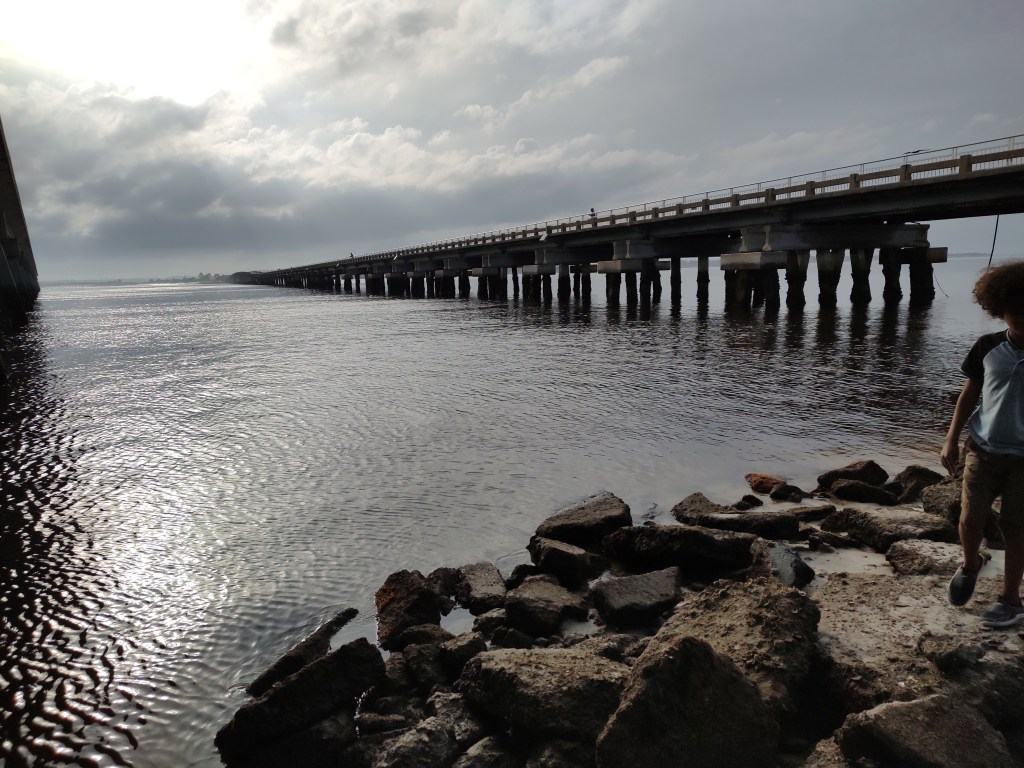
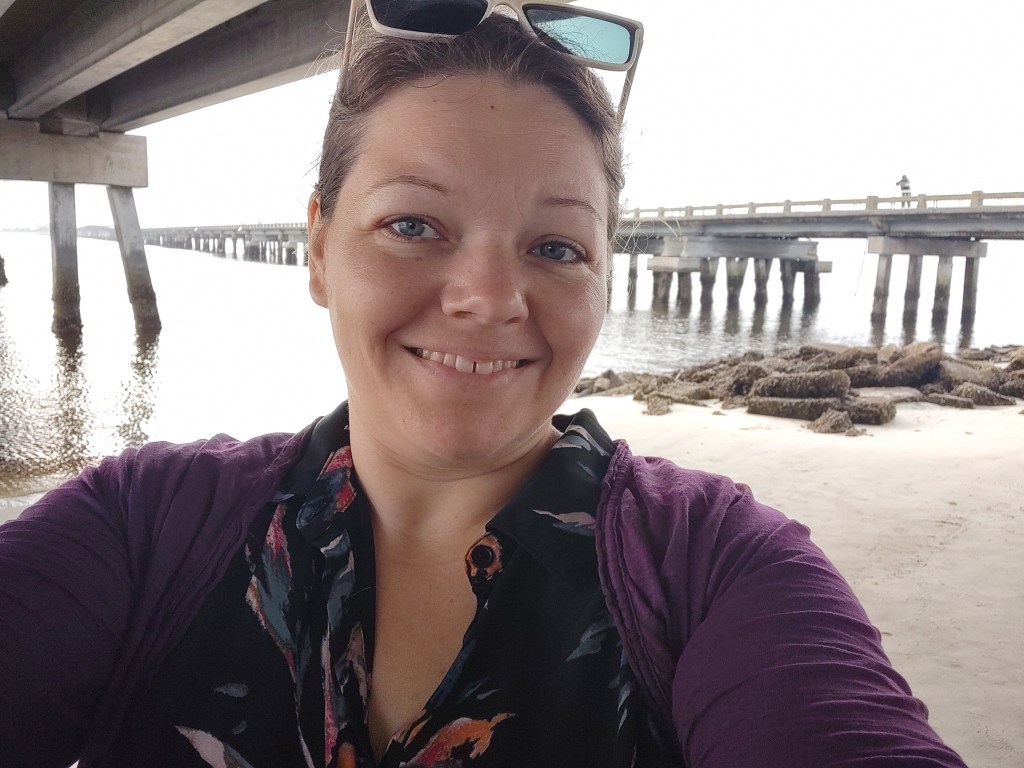
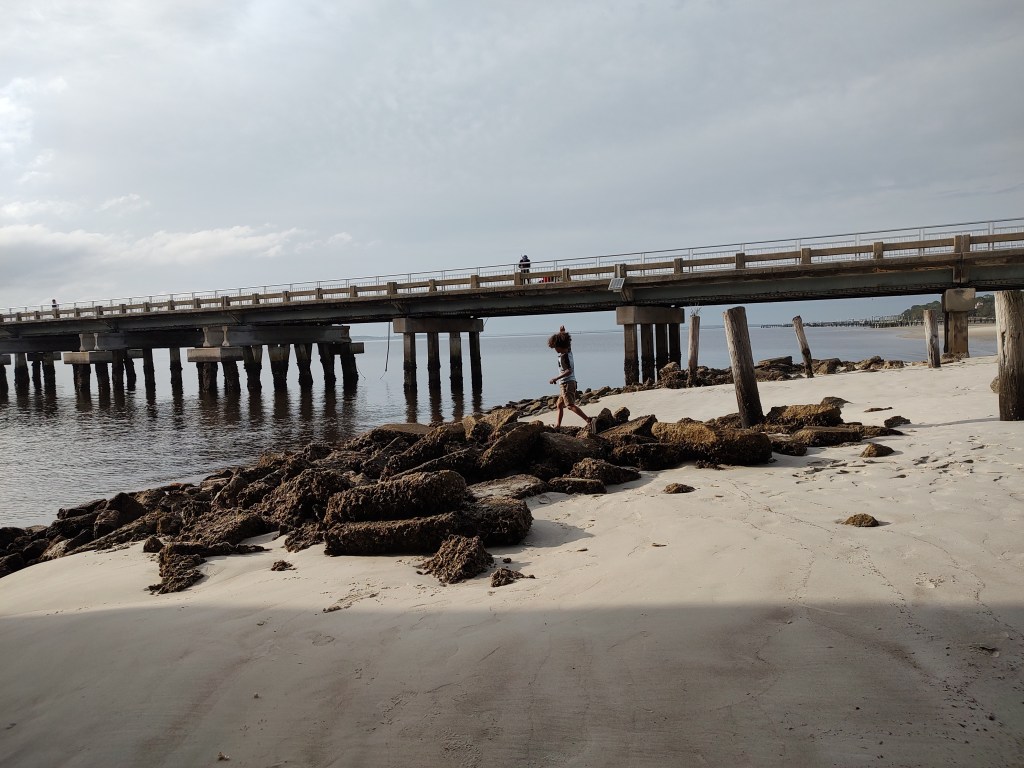
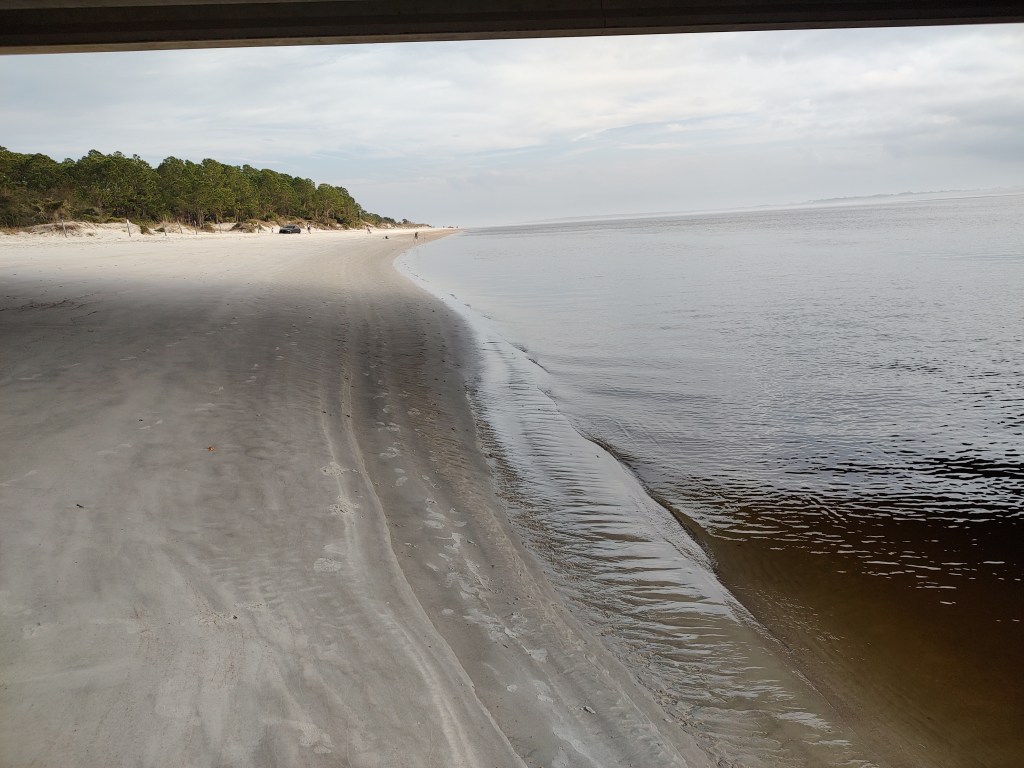
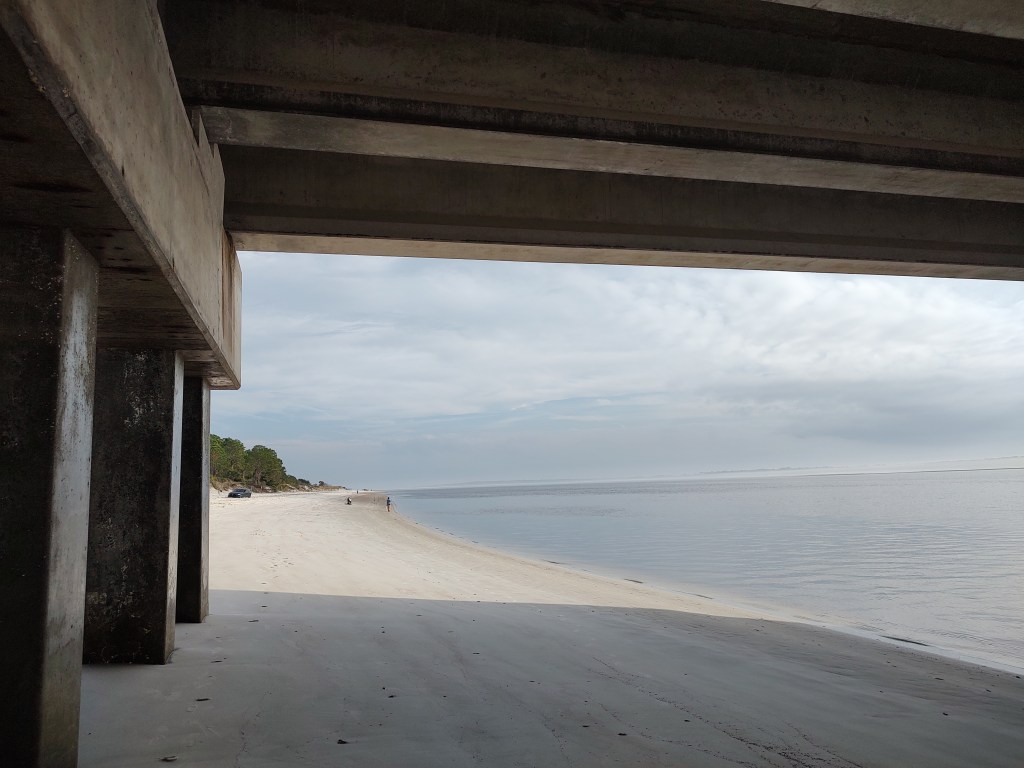
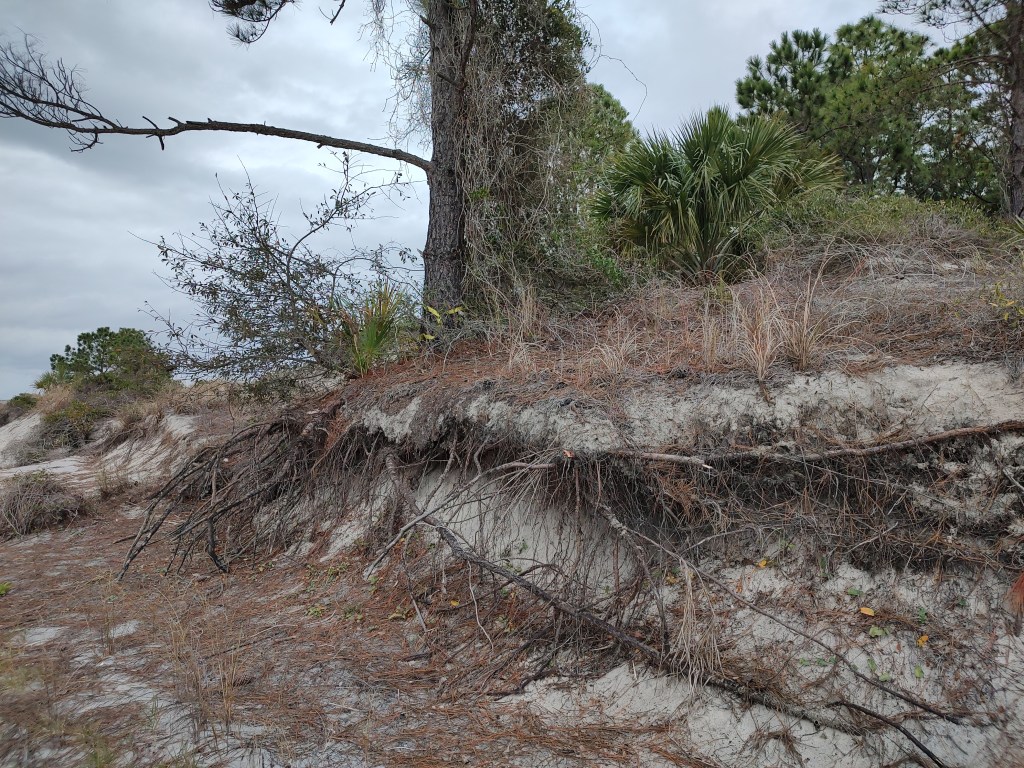
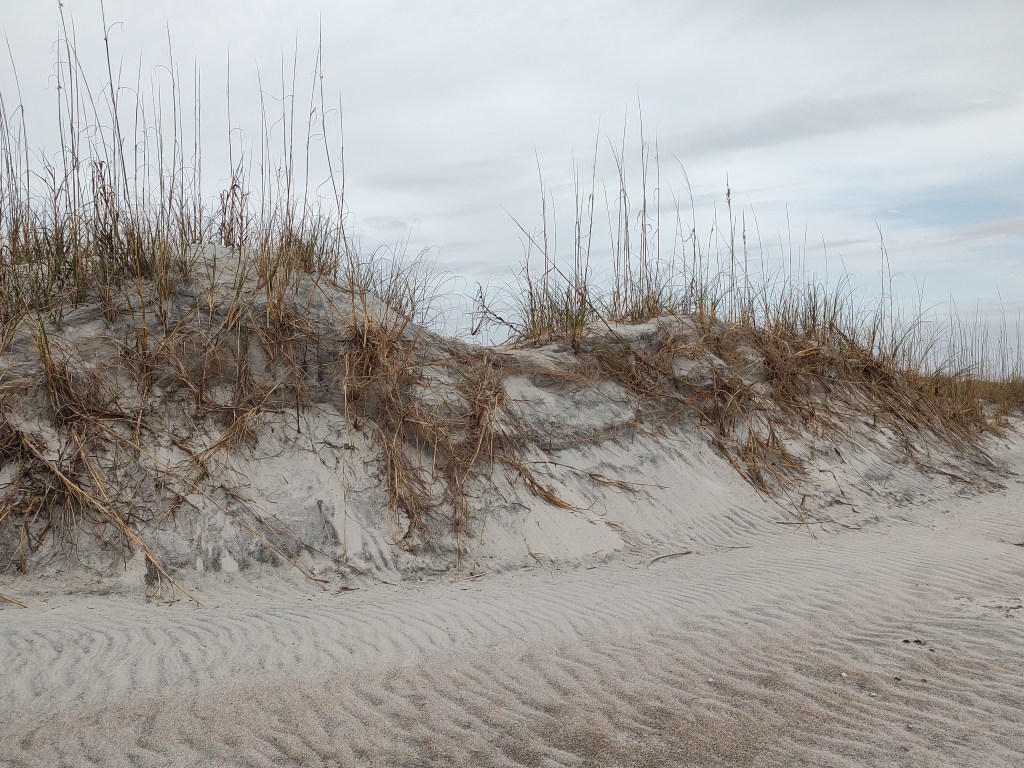
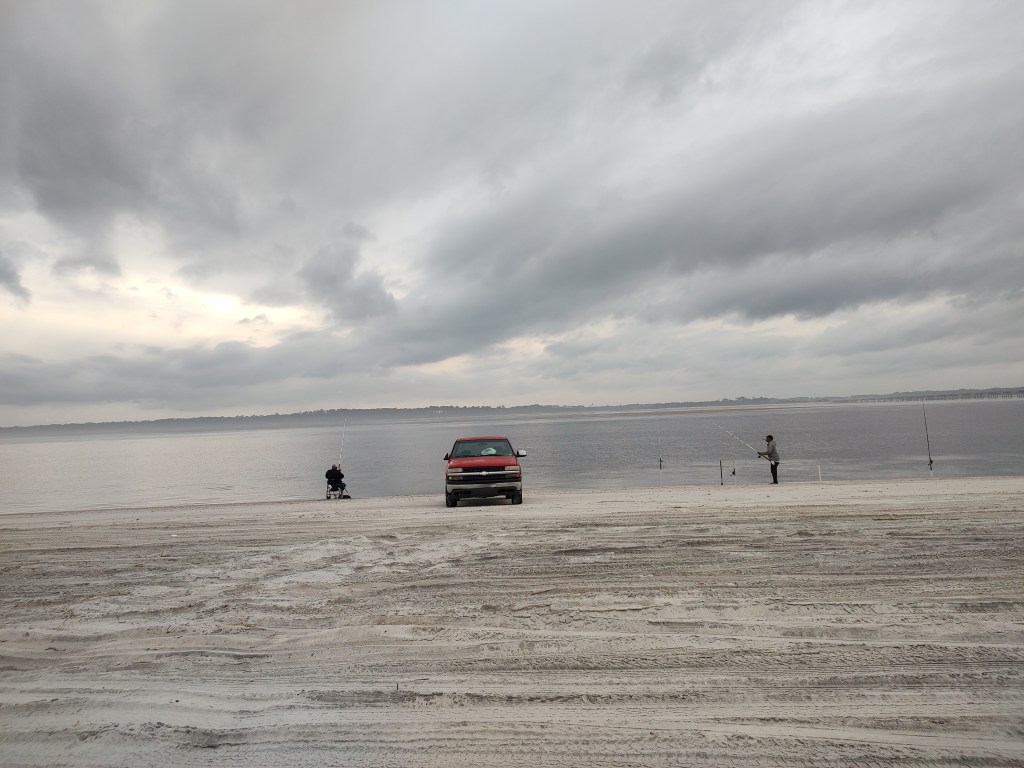
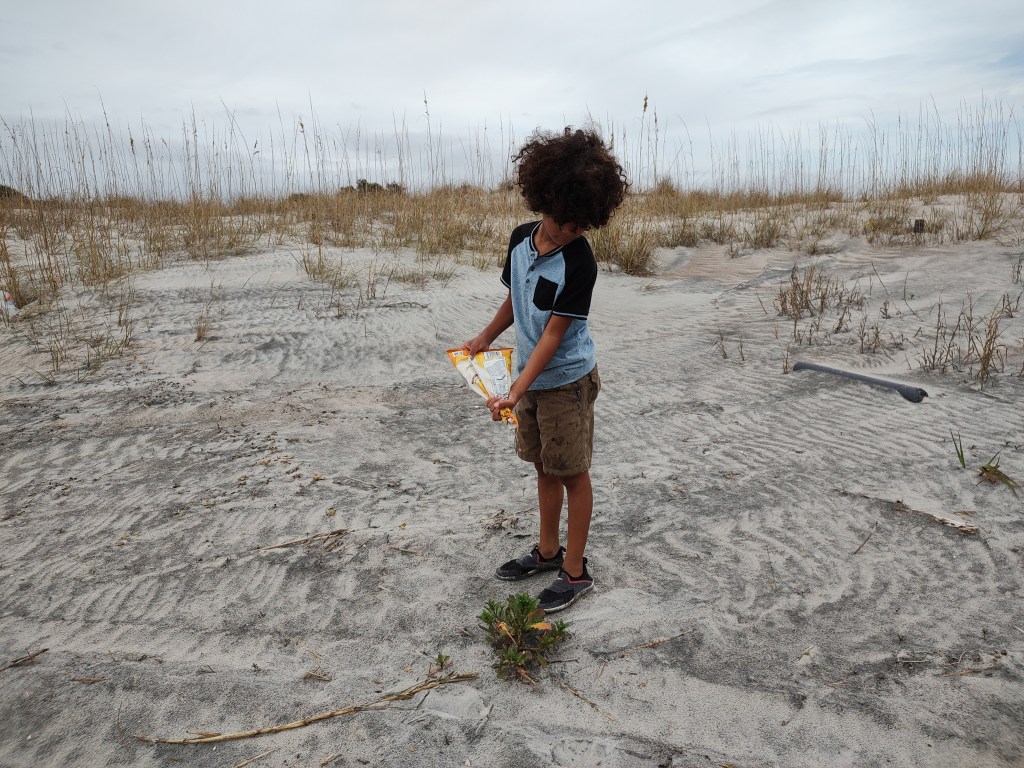
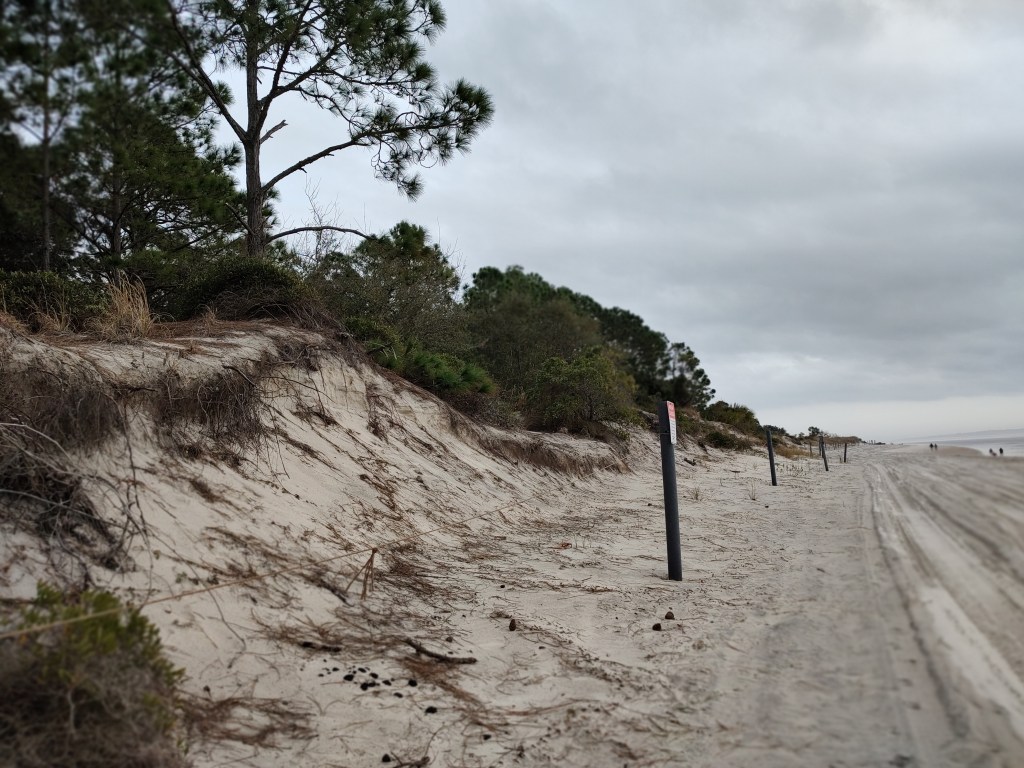
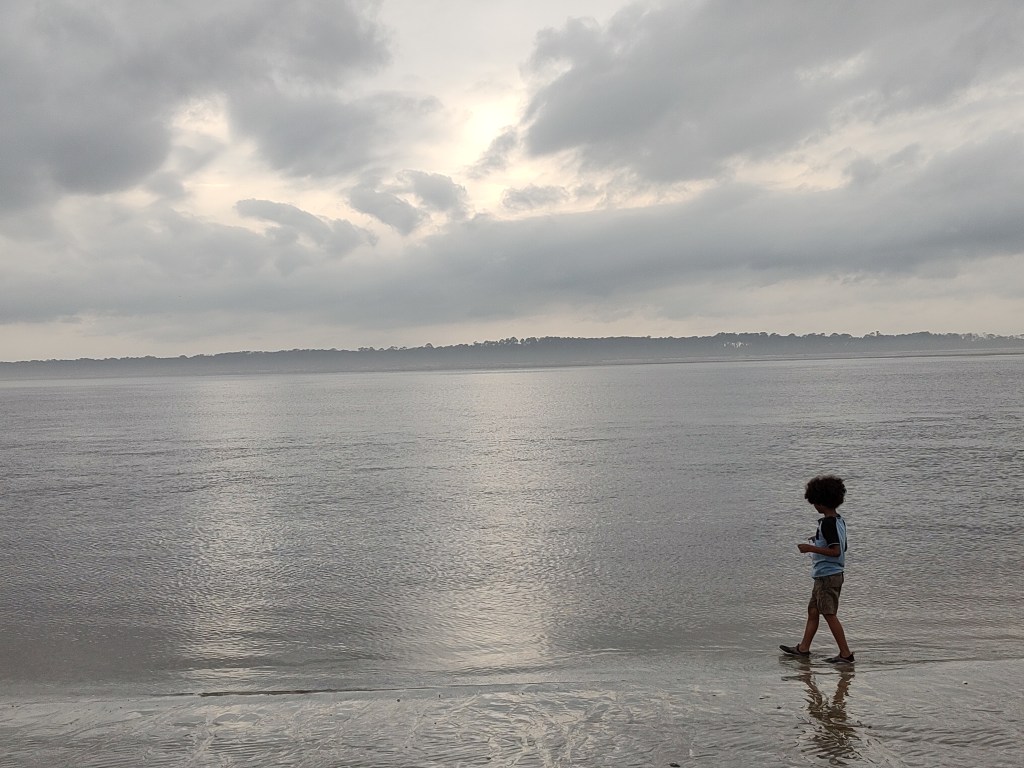
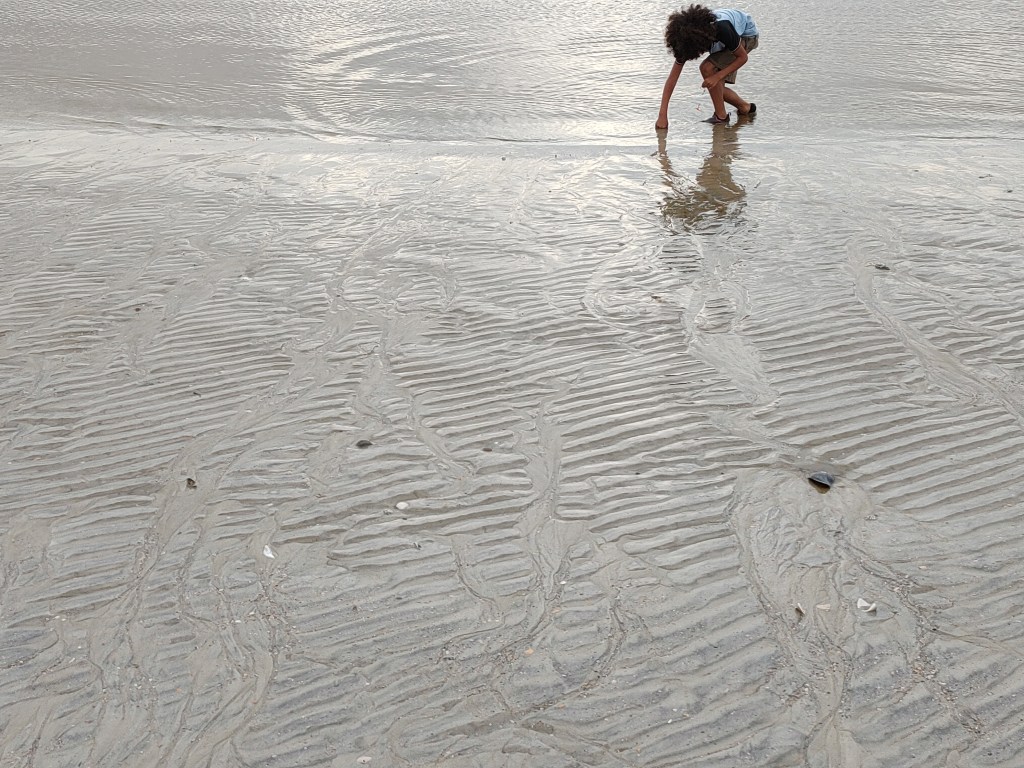
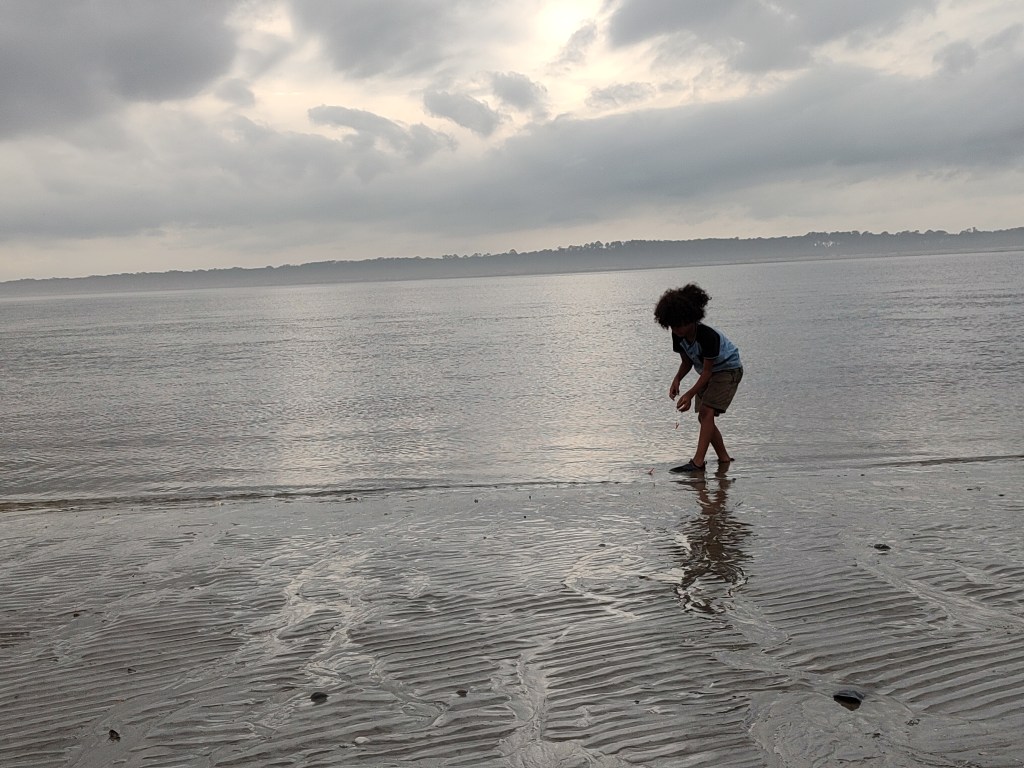
To end, a slideshow from our last visit to Tablot Island within the Timucuan Preserve…
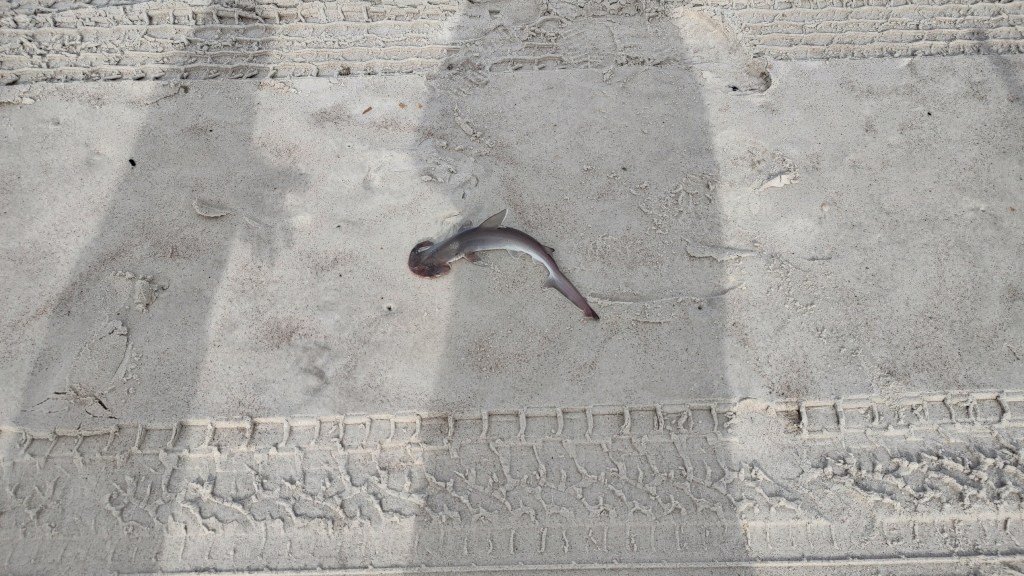
The baby shark is a scalloped hammerhead. We’re not sure if it was washed ashore or if fishermen discarded it (or otherwise).

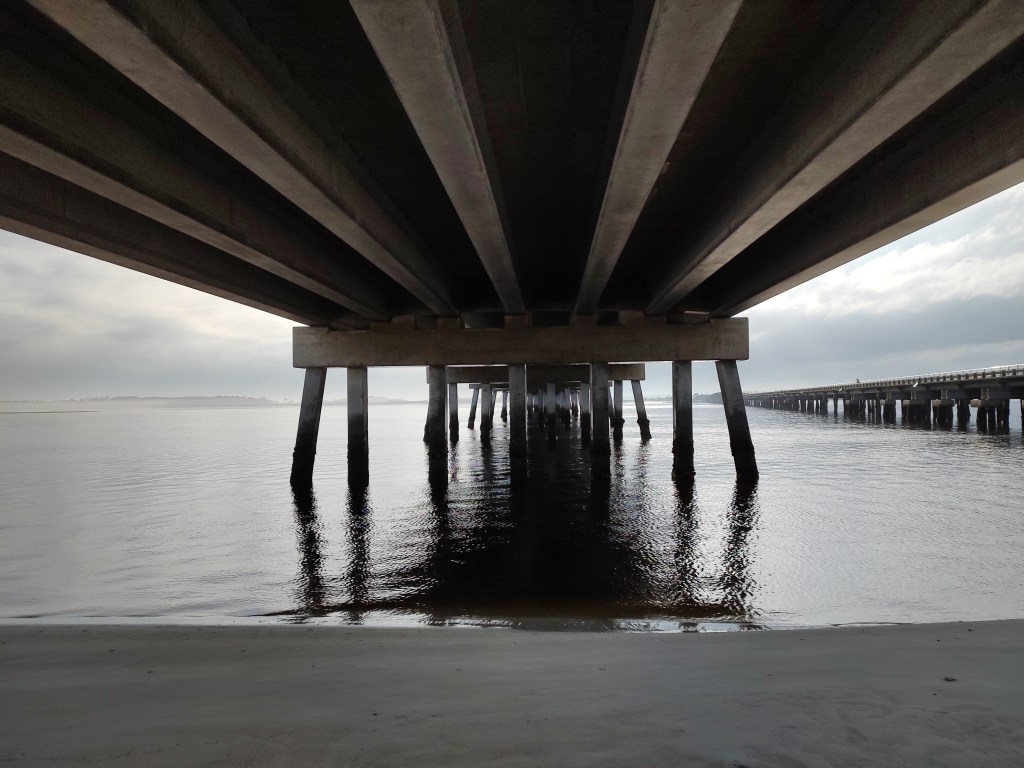
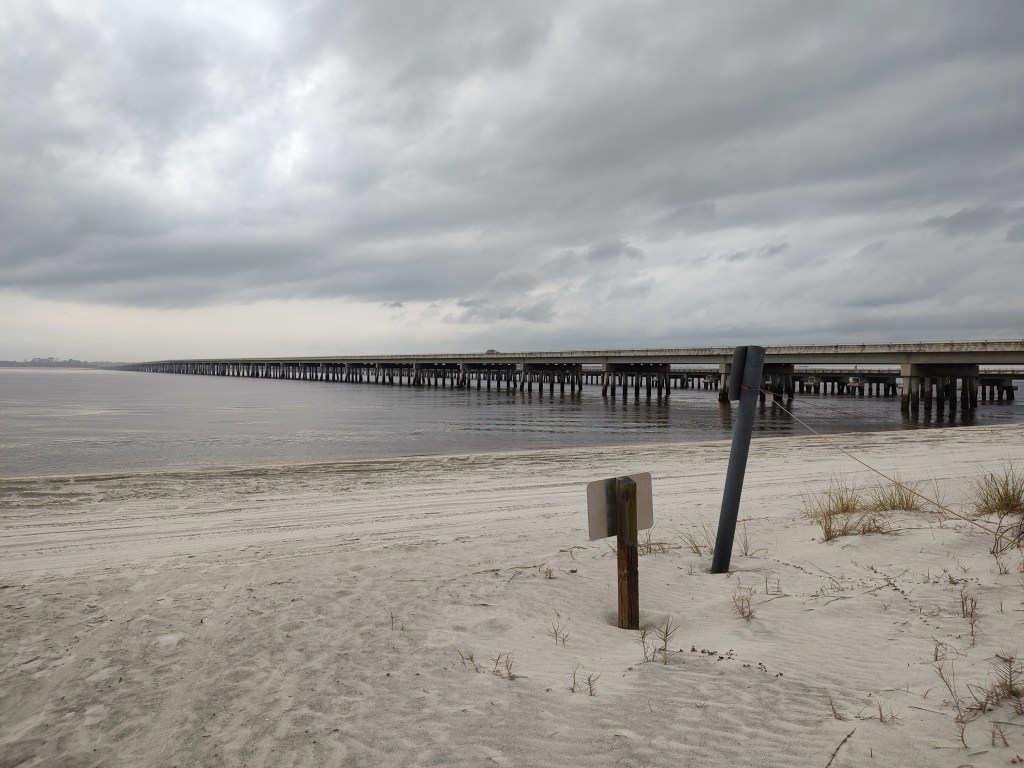
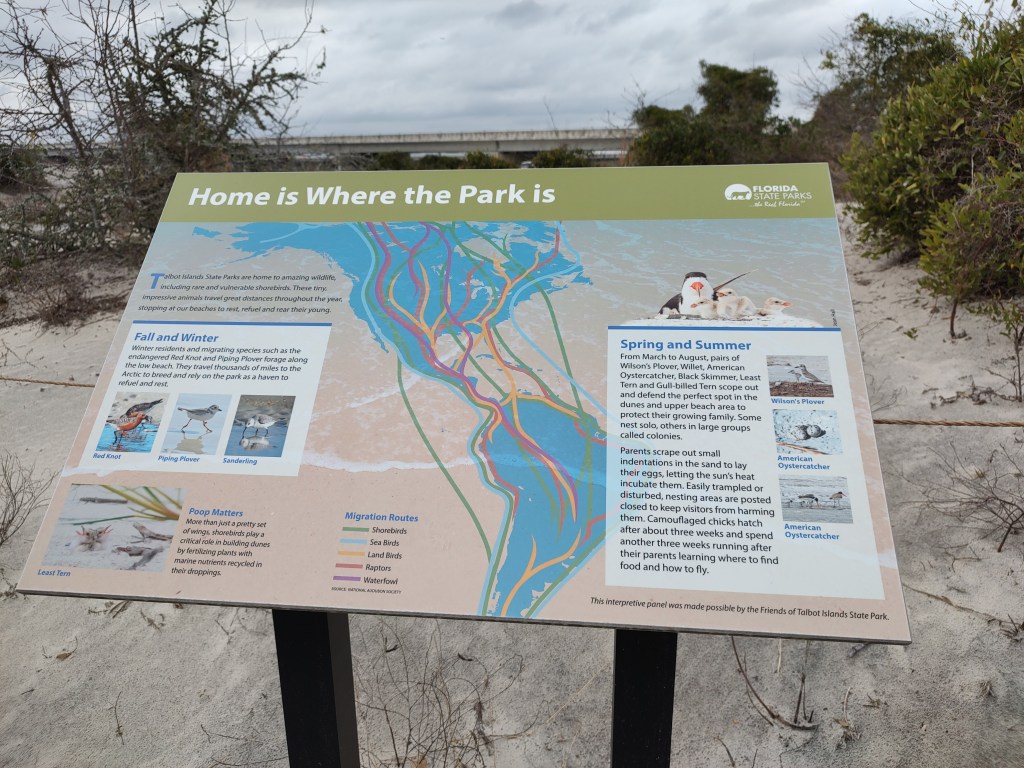

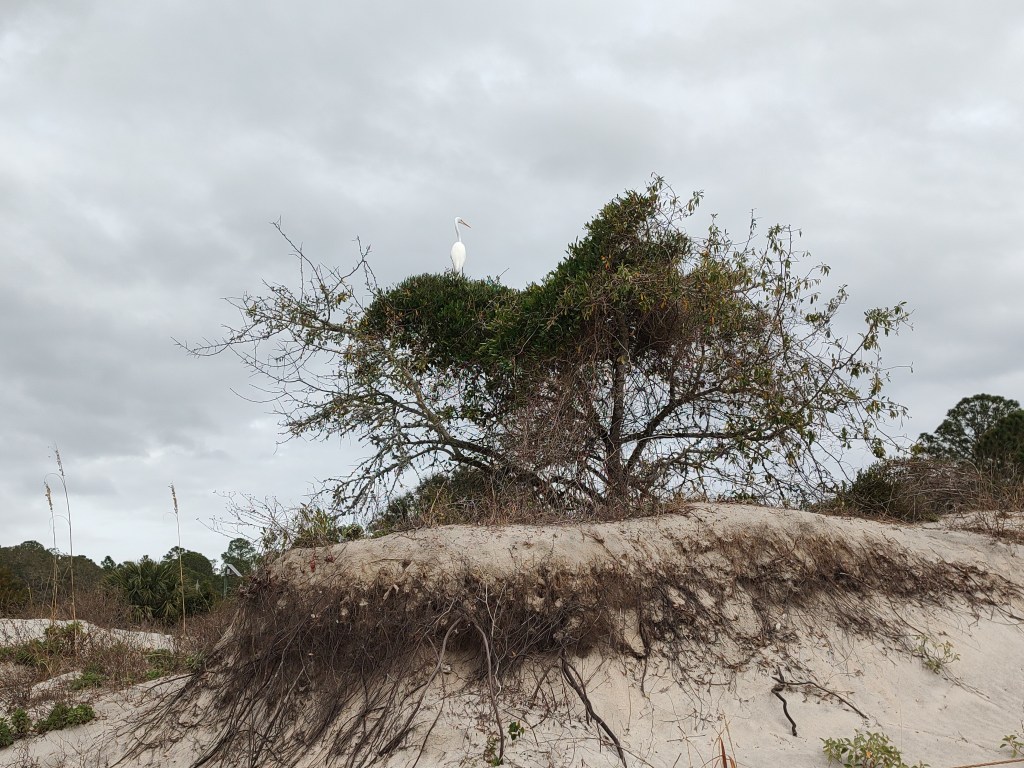





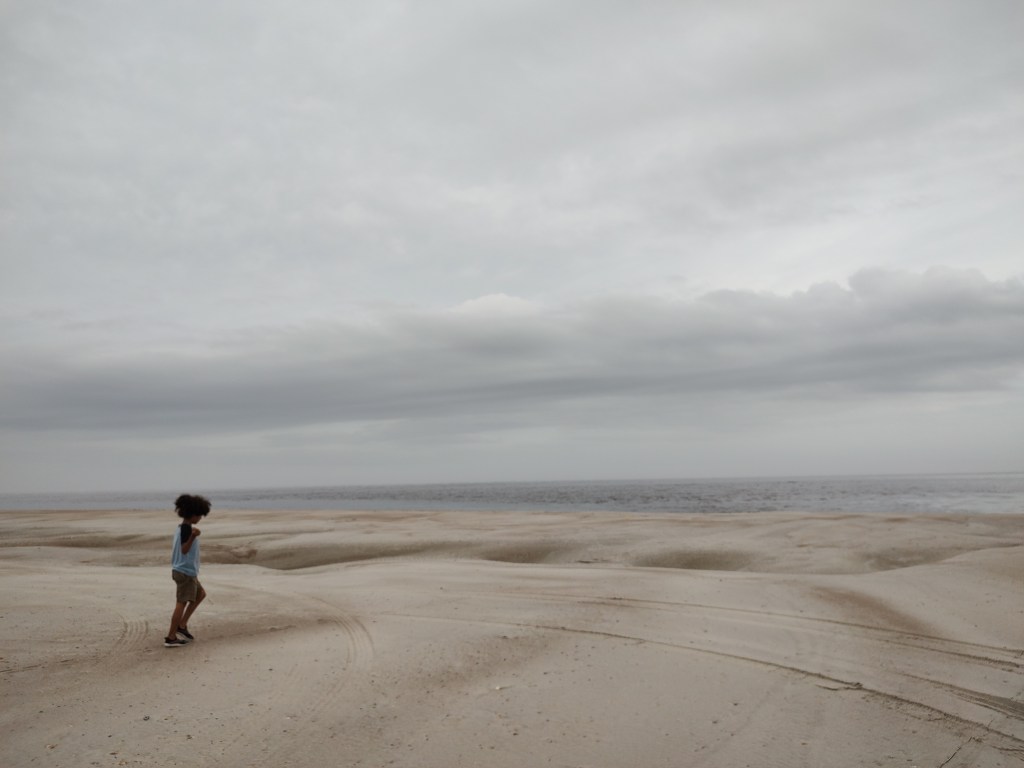
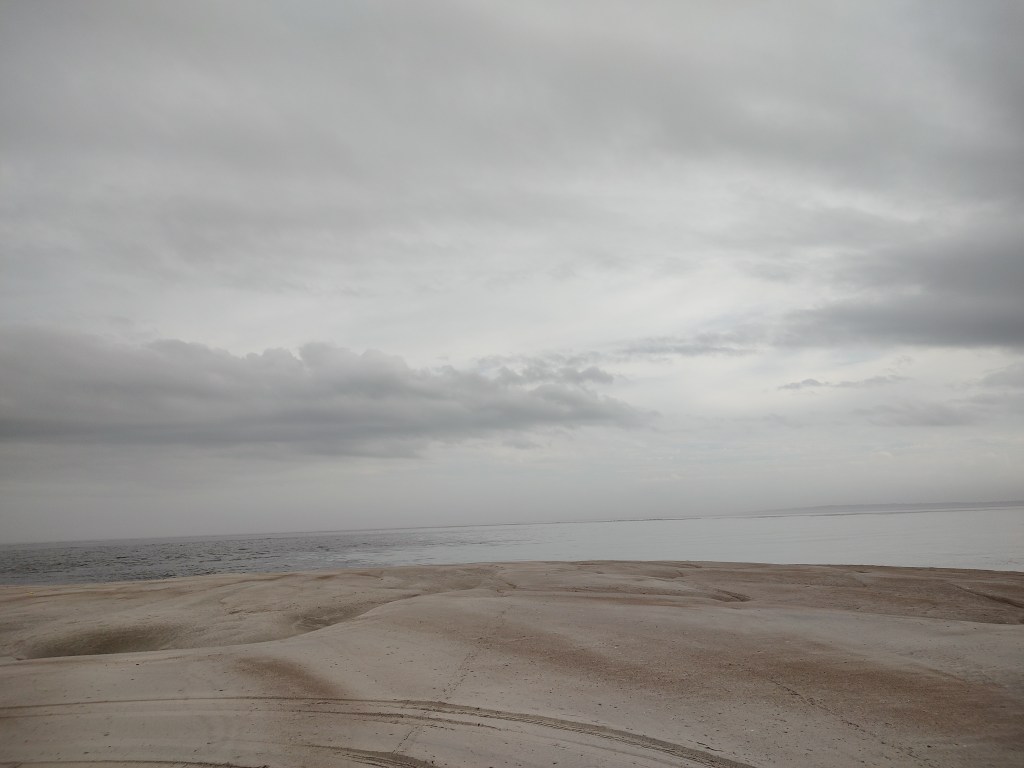

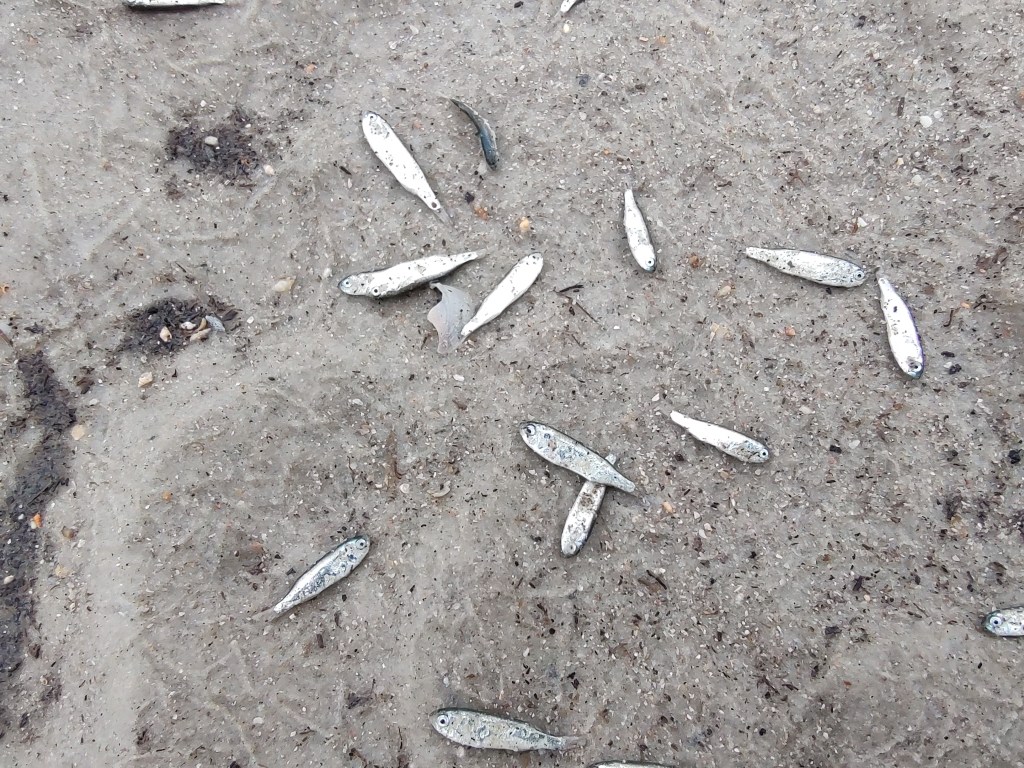

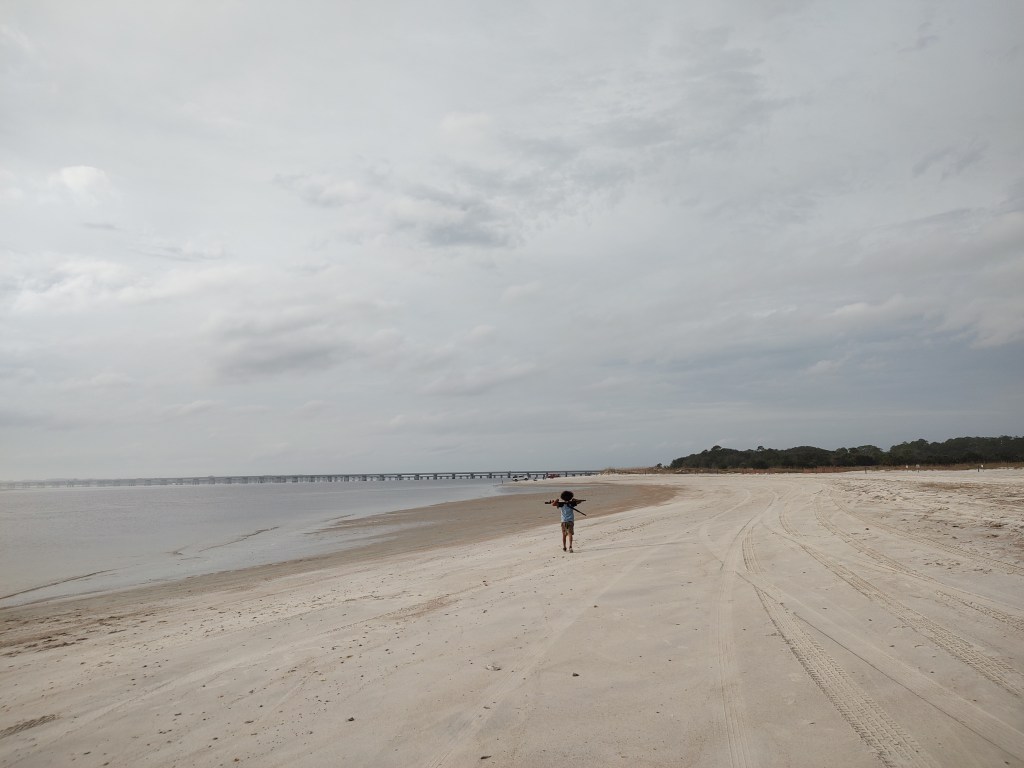


I hope you’ve enjoyed this article, learned something new and are inspired to care more about people and the habitats we love and enjoy.
Please share this article and any feedback or insight you have!
Livin’ the Salt life,
iam:ForeverBlessed

Related Articles:
References:
1https://www.nps.gov/timu/learn/nature/saltmarsh.htm#:~:text=coastline.%20Luckily%2C%20roughly-,35%2C000%20acres,-of%20salt%20marsh
2https://www.nps.gov/timu/learn/nature/saltmarsh.htm#:~:text=Salt%20marshes%20are%20a,marine%20fisheries%20for%20success.
3https://www.unf.edu/catalog/about/Seal-Logo-Mascot-Creed.html
4https://www.bing.com/ck/a?!&&p=9f8453ab24b6078dJmltdHM9MTcxMDExNTIwMCZpZ3VpZD0yYWM0MTFjNS1mYmRlLTZhMTEtMjIzZi0wNWZlZmE0ZTZiZWQmaW5zaWQ9NTUyMw&ptn=3&ver=2&hsh=3&fclid=2ac411c5-fbde-6a11-223f-05fefa4e6bed&psq=who+are+gullah+geechee+people&u=a1aHR0cHM6Ly9ndWxsYWhnZWVjaGVlY29ycmlkb3Iub3JnL3RoZWd1bGxhaGdlZWNoZWUvIzp-OnRleHQ9VGhlJTIwR3VsbGFoJTIwR2VlY2hlZSUyMHBlb3BsZSUyMGFyZSUyMGRlc2NlbmRhbnRzJTIwb2YlMjBBZnJpY2FucyxjYW1lJTIwZnJvbSUyMHRoZSUyMHJpY2UtZ3Jvd2luZyUyMHJlZ2lvbiUyMG9mJTIwV2VzdCUyMEFmcmljYS4&ntb=1
5https://youtu.be/d8tbQC5Q9B8?si=WOSW3iEAikmfSqUK
6https://www.inaturalist.org/guide_taxa/355794#:~:text=Ethnobotanical%20Information%208,as%20other%20alkaloids.
7https://www.nps.gov/timu/learn/nature/saltmarsh.htm#:~:text=The%20most%20common%20seagrass%20found%20in%20a%20salt%20marsh%20is%20Smooth%20cordgrass%2C%20or%20Spartina%20alterniflora.%20As%20cordgrass%20absorbs%20water%20through%20its%20roots%2C%20a%20special%20membrane%20filters%20it%2C%20keeping%20most%20of%20the%20salt%20out
8https://plants.ifas.ufl.edu/plant-directory/spartina-alterniflora/#:~:text=Its%20roots%20are%20a%20favorite%20food%20of%20snow%20geese.
9https://plants.usda.gov/DocumentLibrary/plantguide/pdf/pg_spal.pdf
10https://plants.usda.gov/DocumentLibrary/plantguide/pdf/pg_spal.pdf
11https://www.floridarambler.com/historic-florida-getaways/timucuan-preserve-jacksonville-florida-national-park/

 Angle & Perspective
Leave a reply to Aftermath of Hurricane Debby on FL & East Coast USA – Angle & Perspective Cancel reply