Solar Charged | US Free National Park Days | National Park Service | Nature Therapy | Healthy Lifestyles | Trails | Ecology | Ecological Sites | Historical Sites | Fort Caroline | Kingsley Plantation | Jacksonville Wildlife and Habitat Conservation | Florida | Personal Stories | Real Life Stories | Nature | Outdoors |
Reminder!
Search for Free US National Park Days by State or Normal entrance fee
Timucuan Preserve intro (new article coming soon)
Our trip – pictures and commentary on the sites we visited
Reminder!
As a reminder today is the 15th! Your first chance to get out to a National Park on one of their free park days. (See more details) So if you took the Solar Charged New Years pledge and you have a park near you, get out there and enjoy the free health benefits of being in nature!
We went out yesterday, took advantage of Florida’s warmer weather and had a great day exploring different sites inside Timucuan Ecological and Historical Preserve -Jacksonville’s National Preserve managed by the National Park Service. (Ironically, they are closed today in observance of Martin Luther King Jr. Day (the same reason other free park days are happening!))
Search: You can find a list of participating US National Parks (by state) following this link:
https://www.nps.gov/planyourvisit/fee-free-parks-state.htm
Most National Parks are generally free to only a few dollars even when not participating, but some are up to $10 per person and $35 per car. Find another list here to see which park(s) might make the most of a visit on fee-free days.
https://www.nps.gov/aboutus/entrance-fee-prices.htm
Timucuan Preserve covers a large area of coastal wetlands off the Atlantic coast. 46,000 acres in fact, of wetlands, waterways, and other habitats in northeastern Duval County, named for the first native inhabitants to the land. The Timucuan, specifically the Mocama coastal tribe’s presence dates back to at least 2500 according to archeological research (Ref) *Updated text previously said the tribes were extinct, but this is not true. Some of the remaining tribes merged with other tribes that are still present today. I also with this ancestry contact me to confirm this.*
Discover more here: Timucuan Ecological & Historical Preserve (Coming Soon)
::Our Trip::
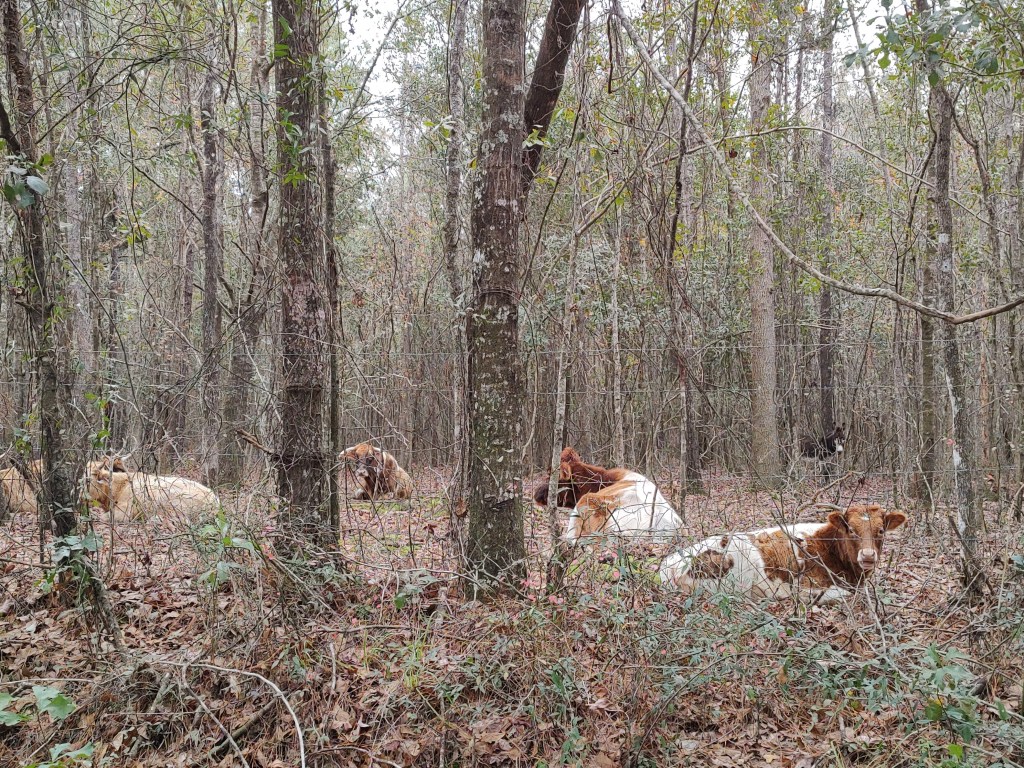
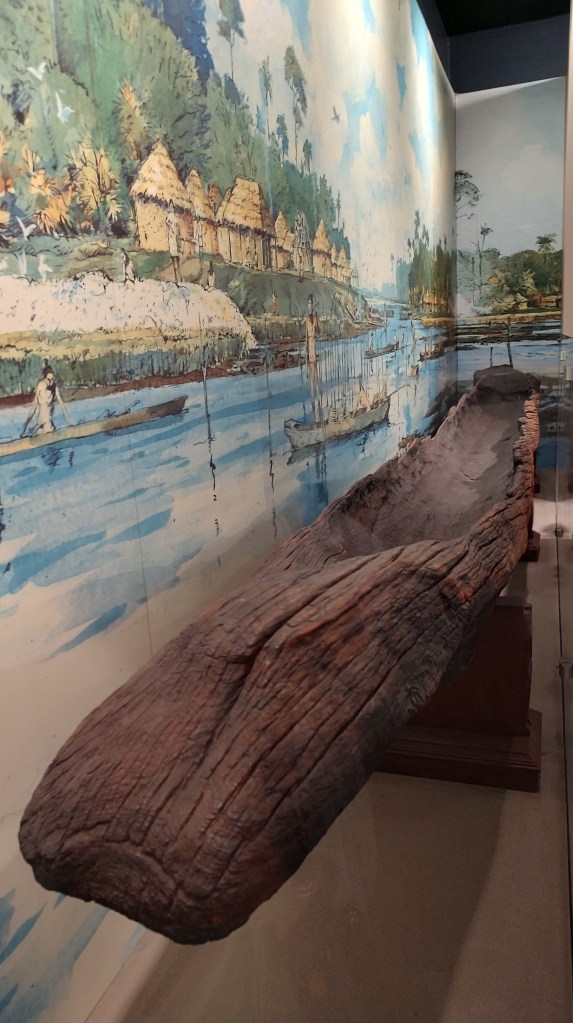
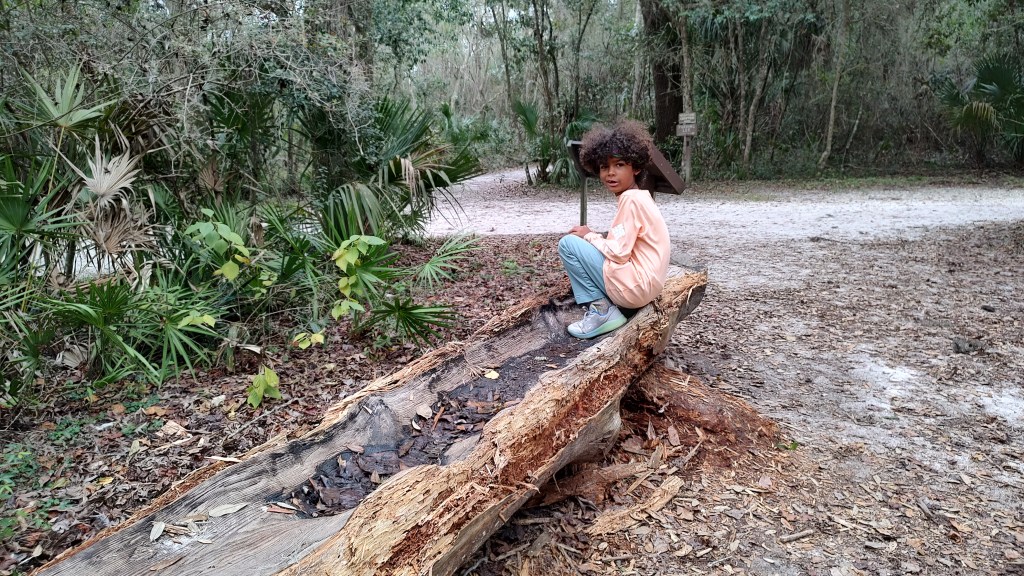
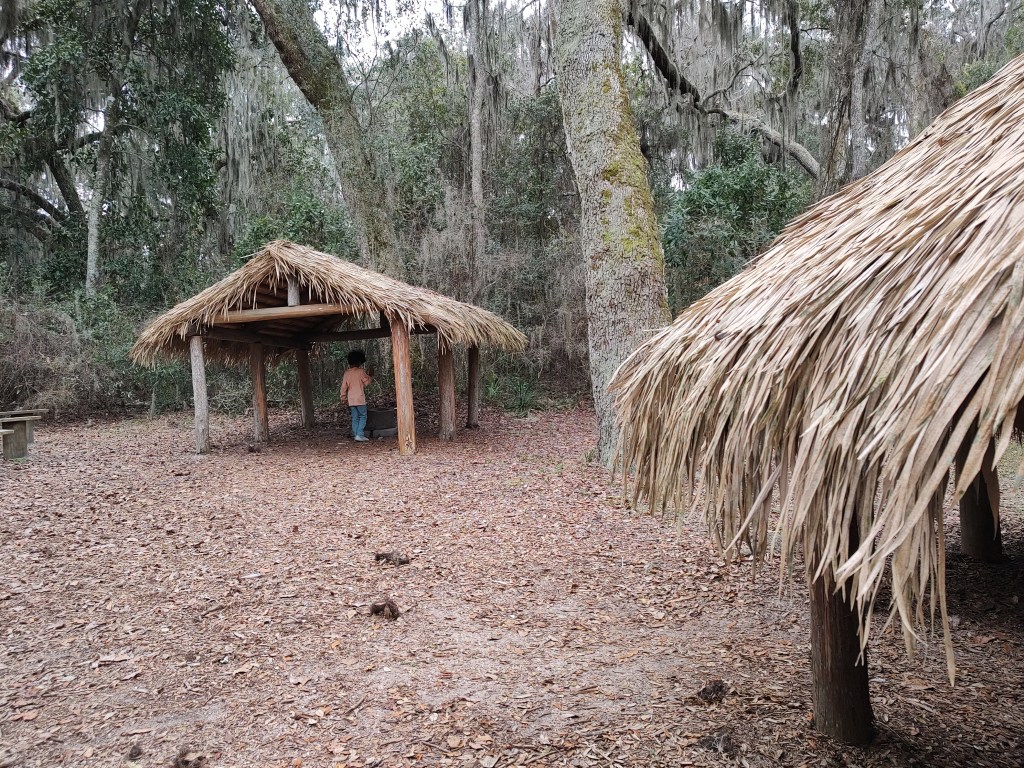
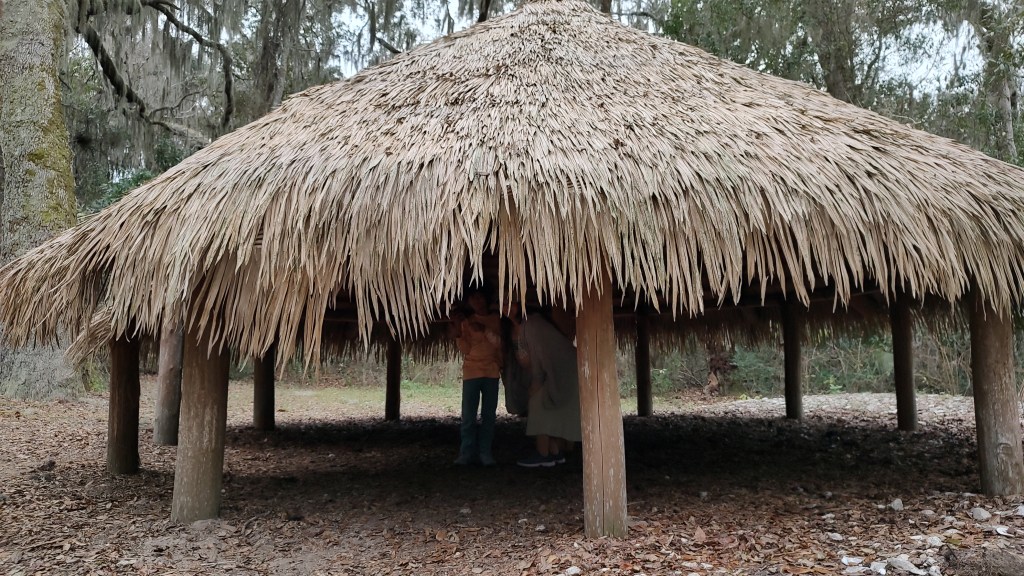
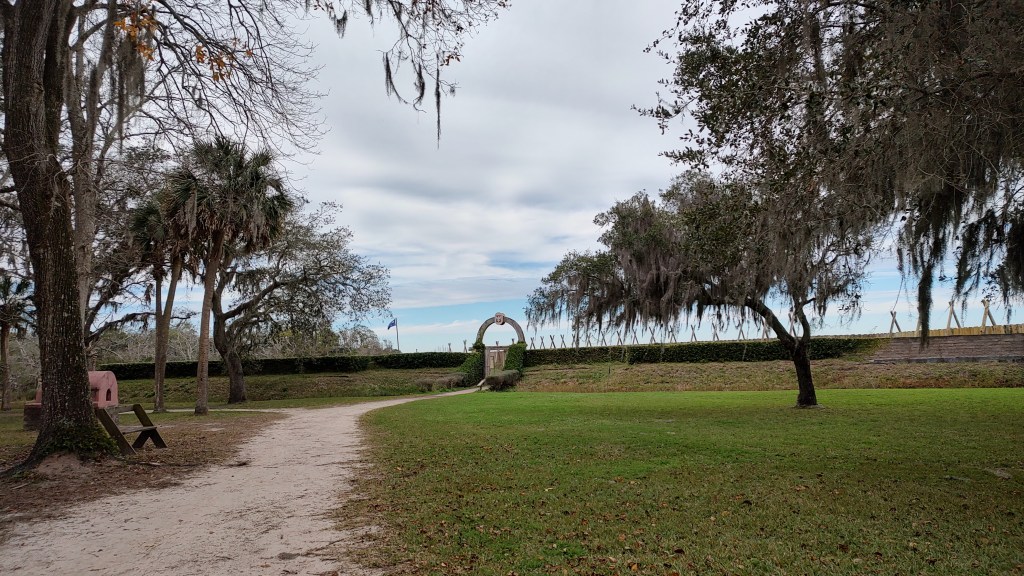
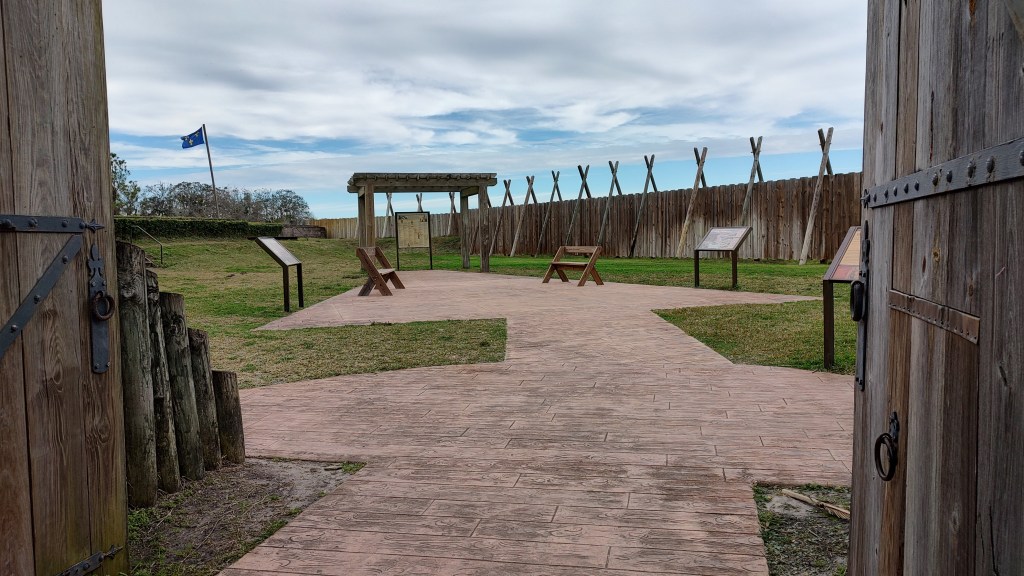
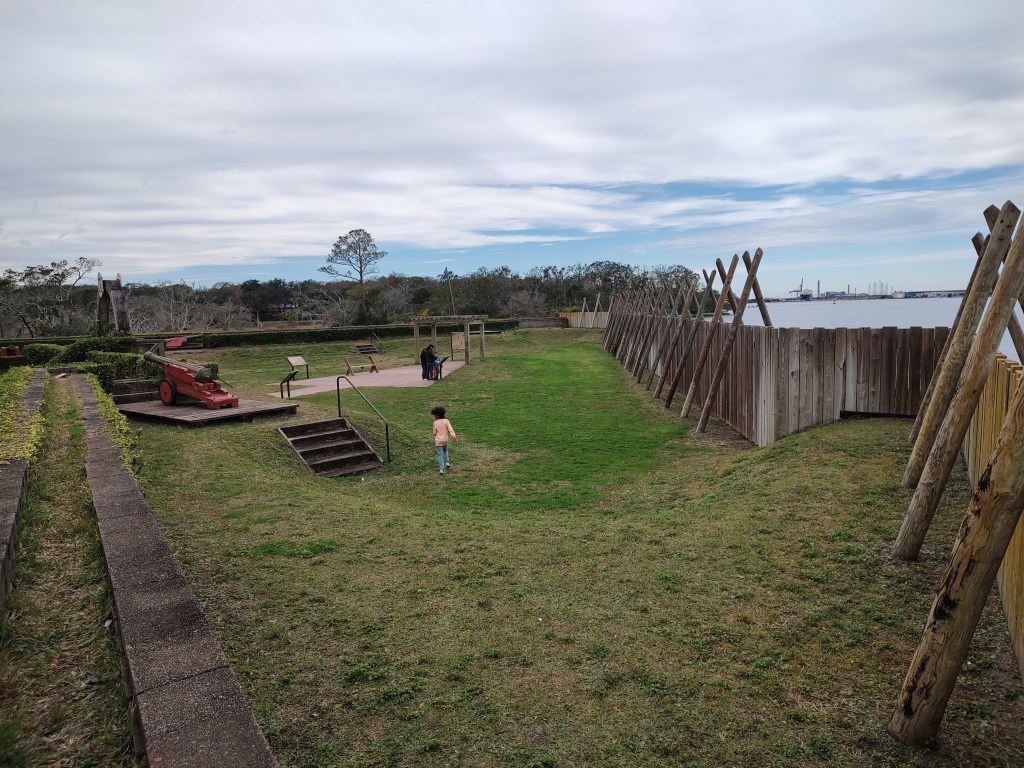
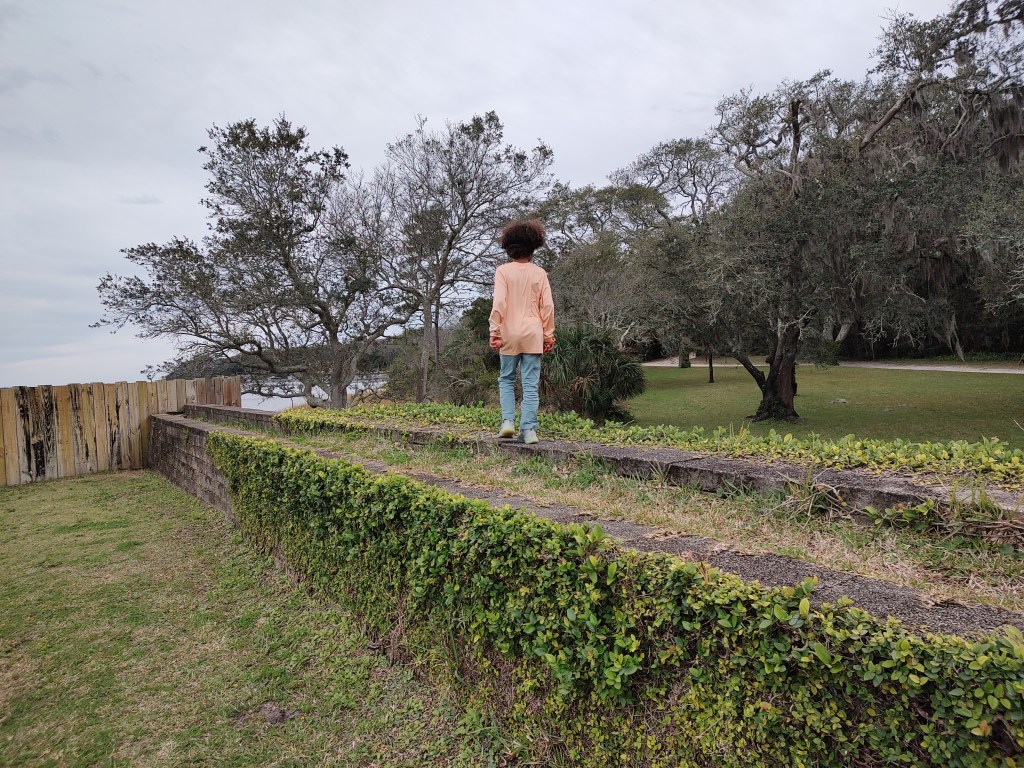
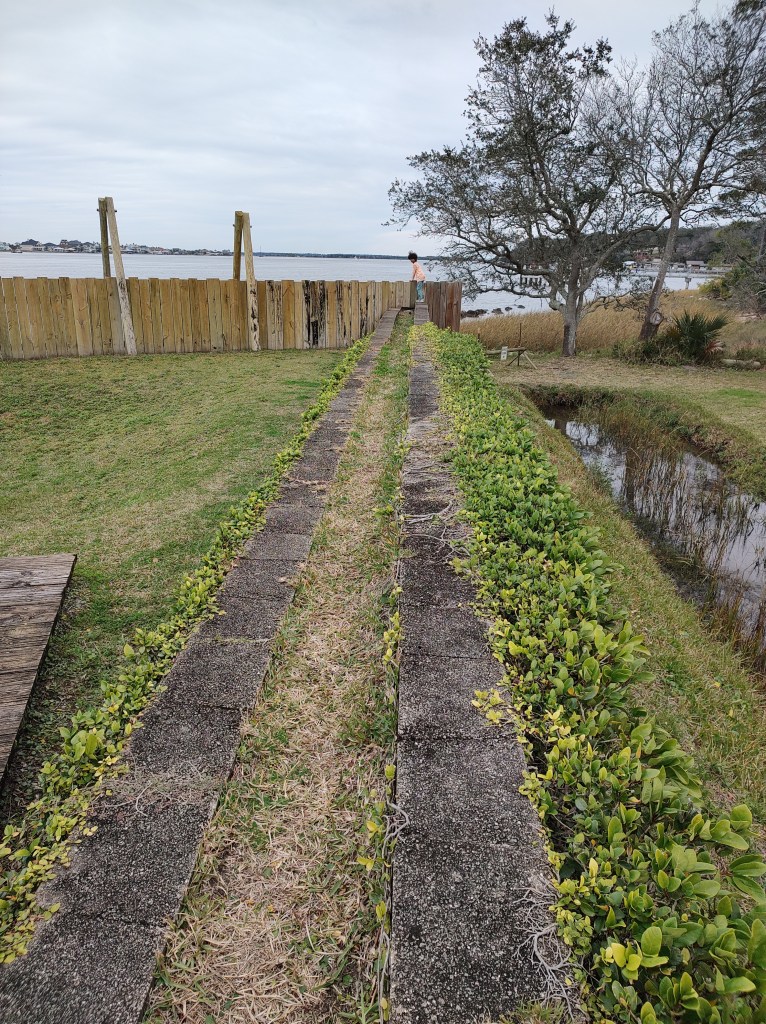
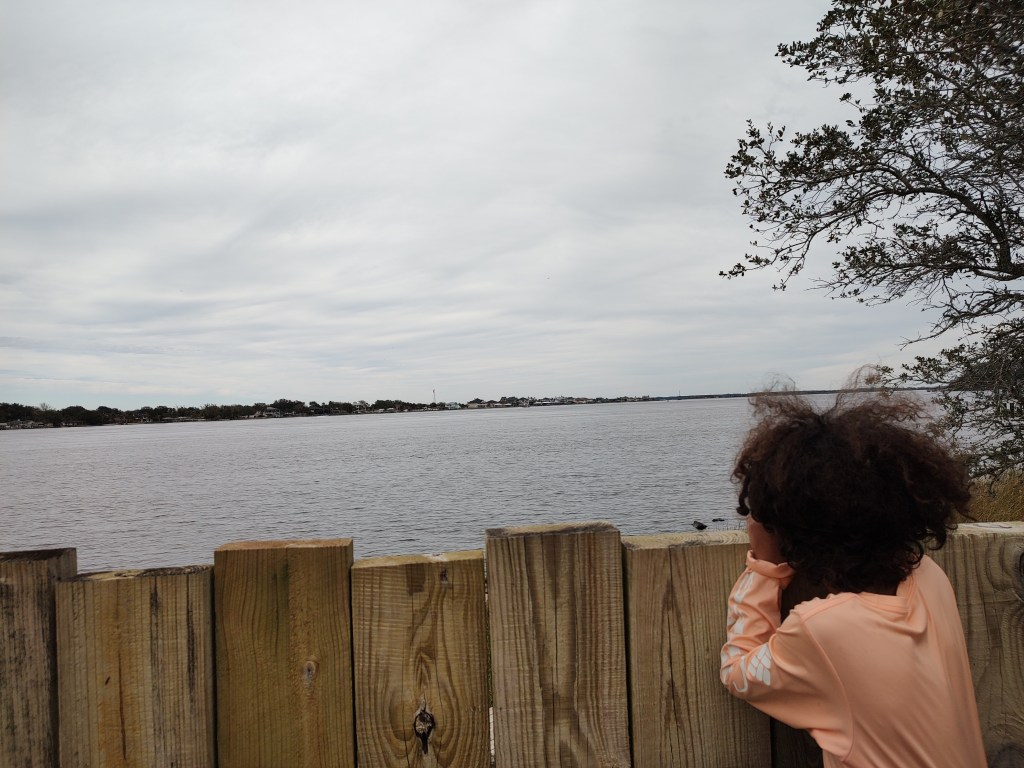
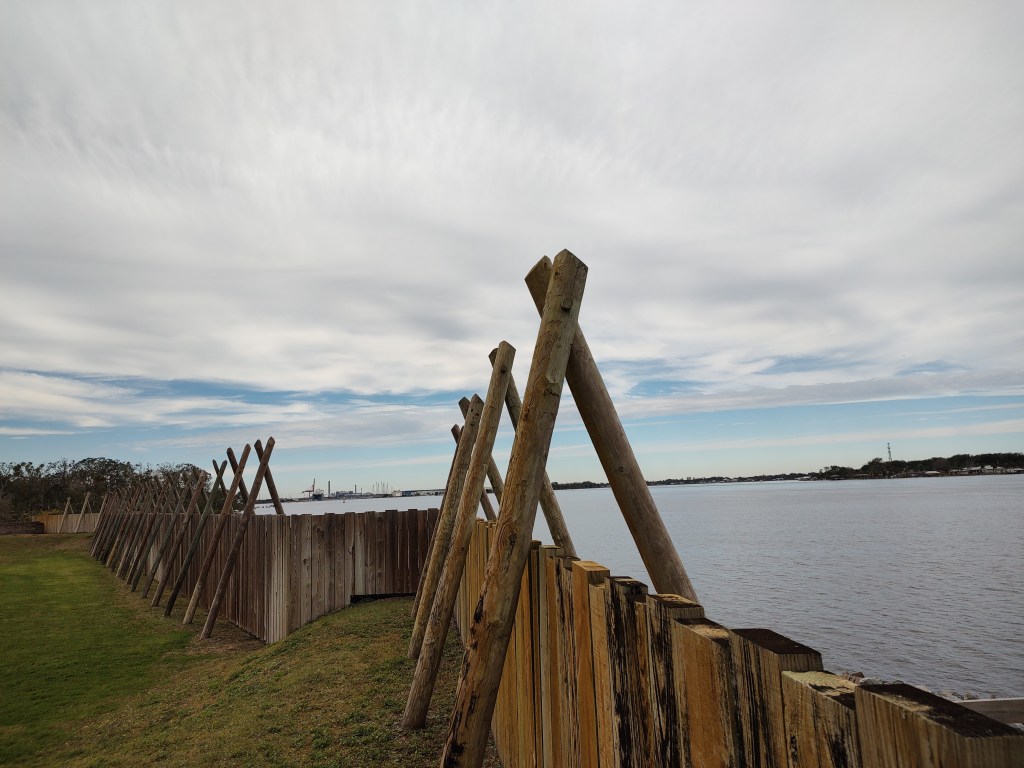
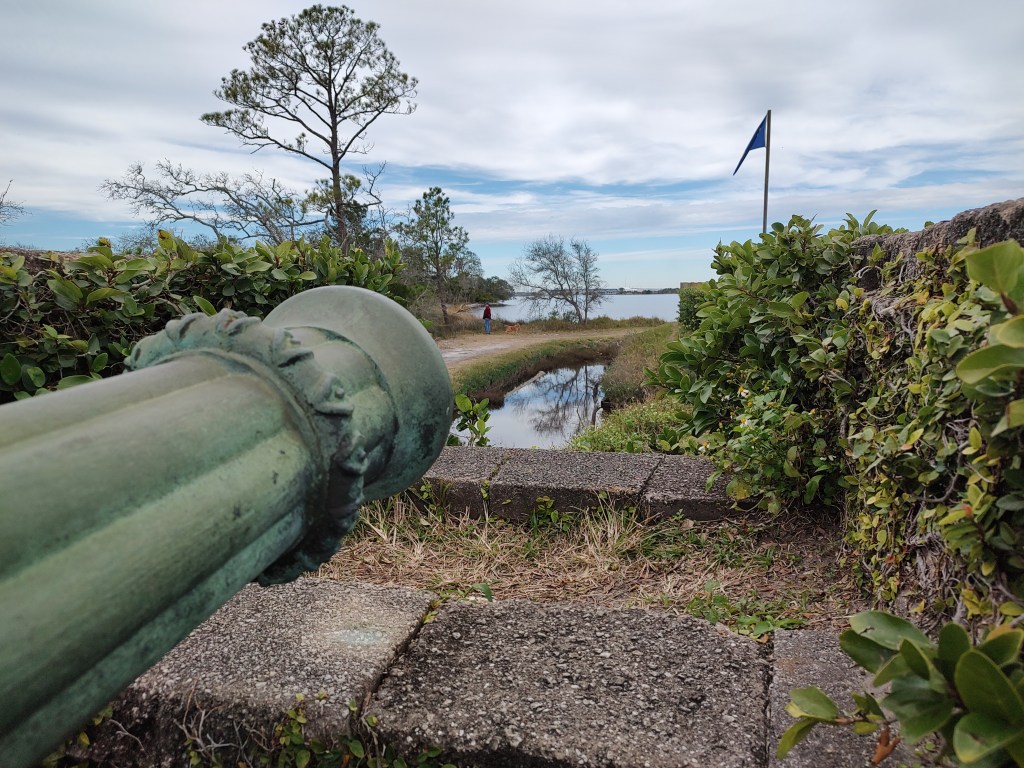
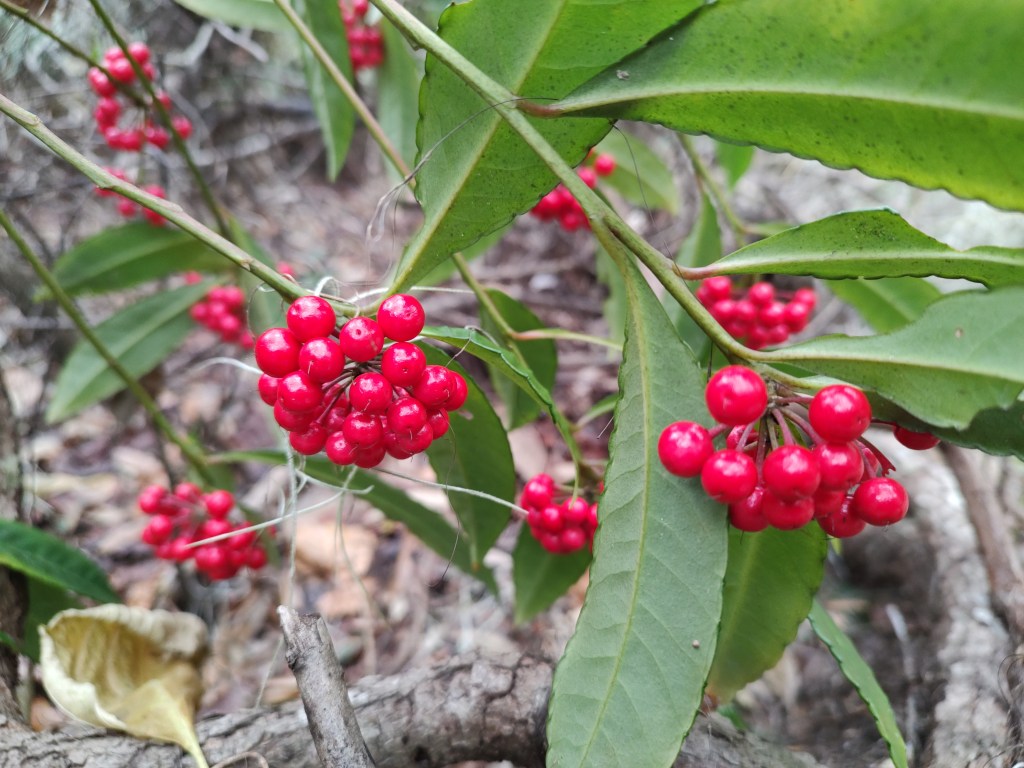
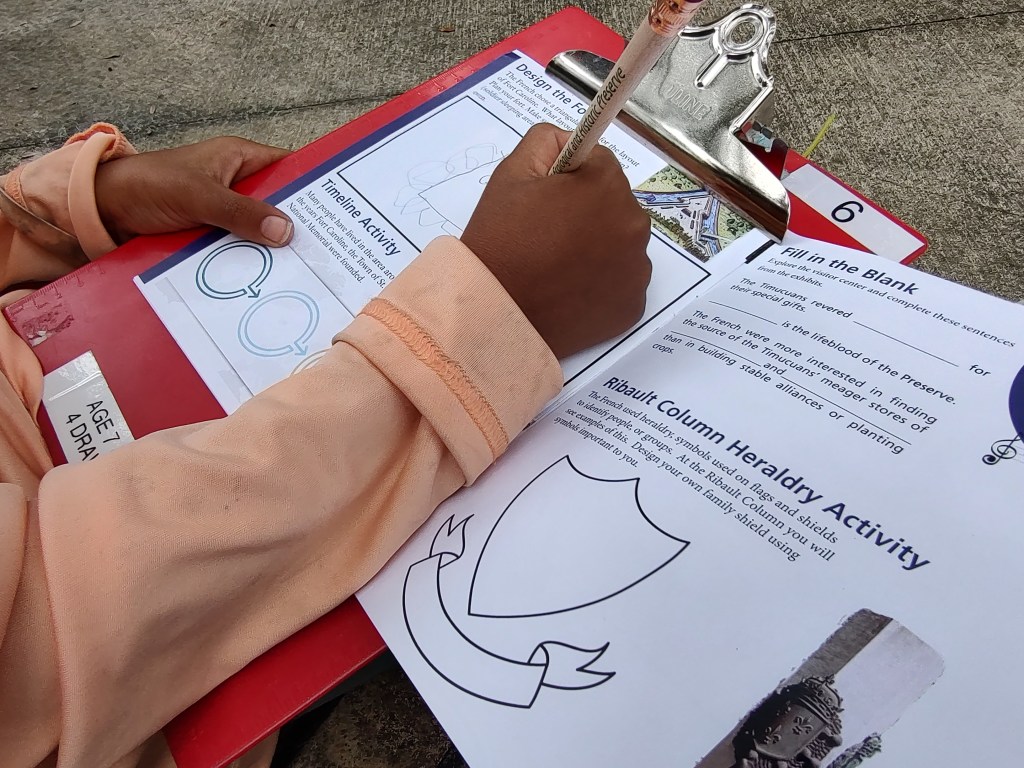
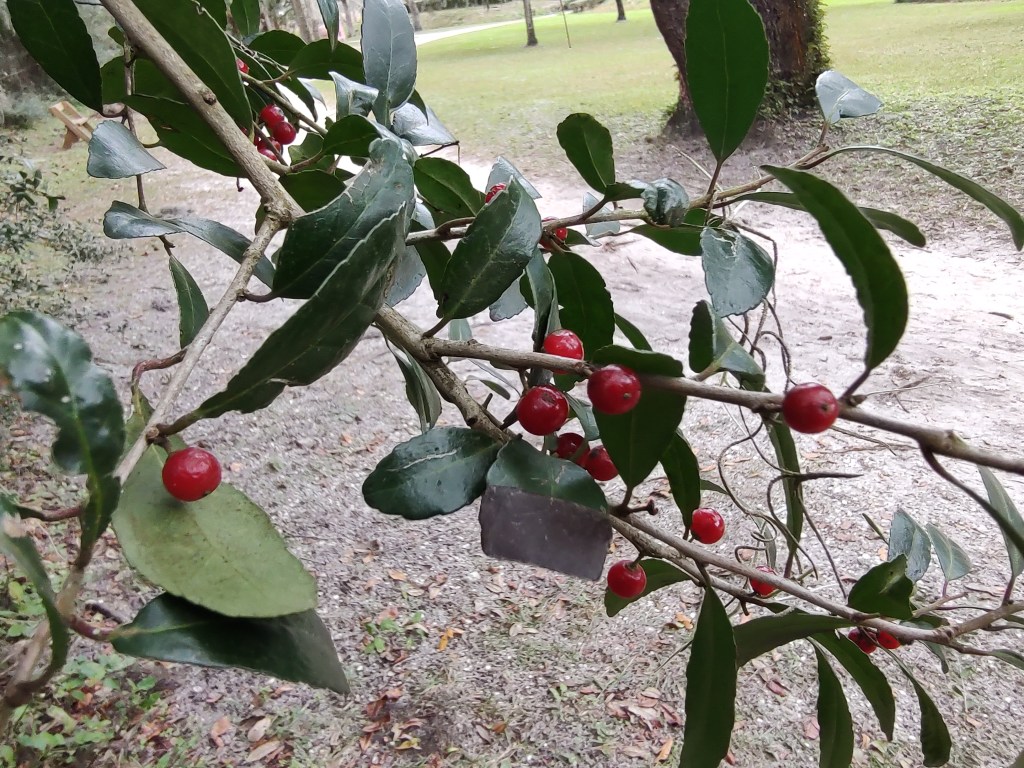
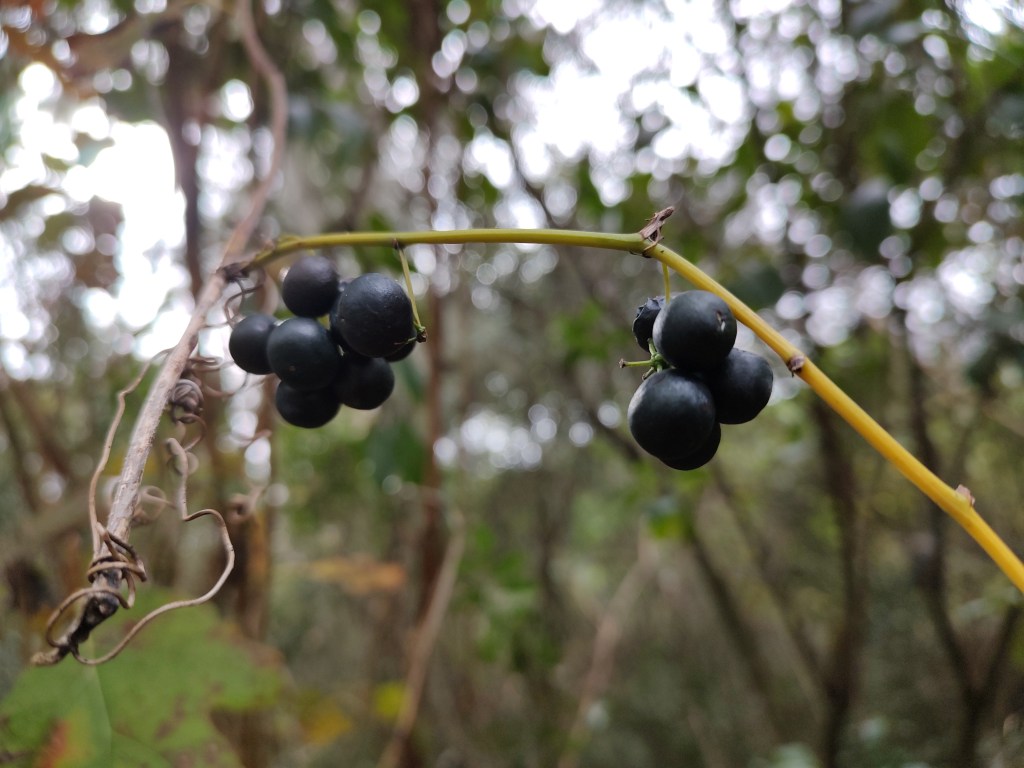
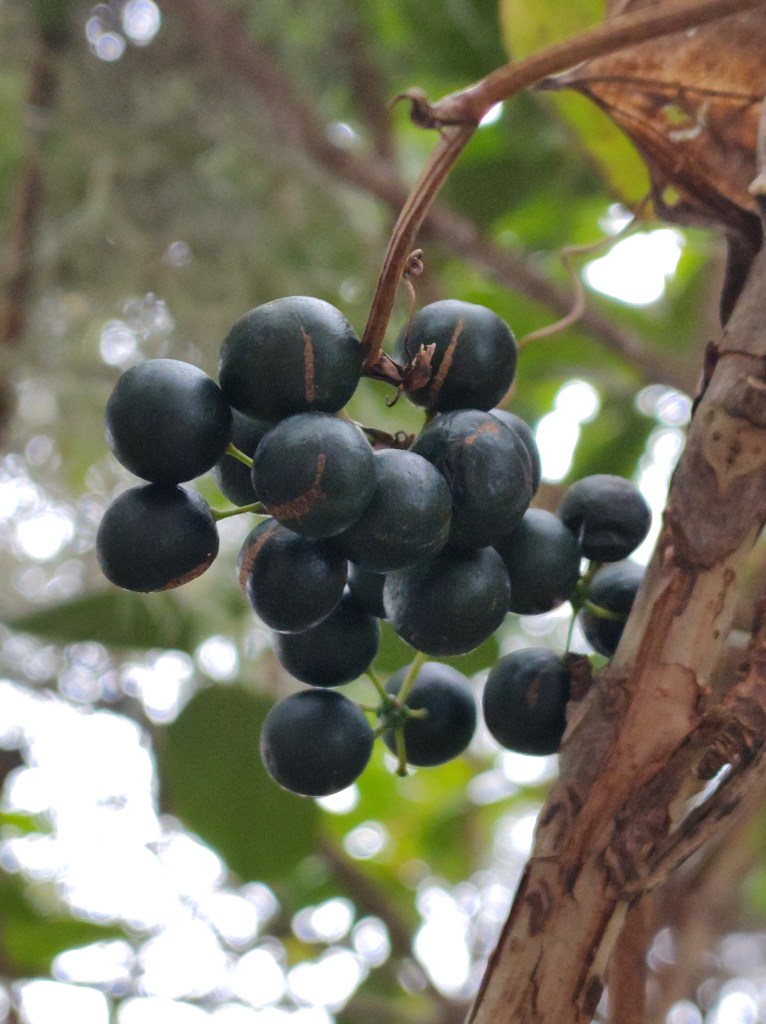
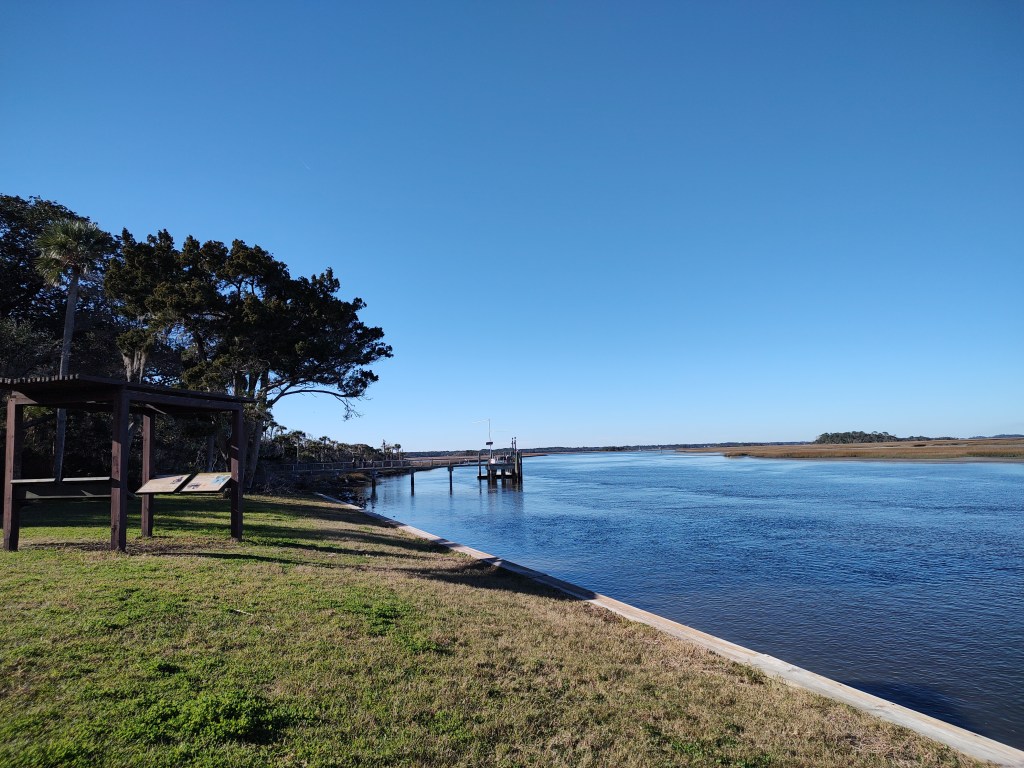
We started our day by saying goodbye to our neighborly cows…and donkey (hiding in the back). Then we headed to the Fort Caroline National Memorial located on the southern bend of the St. John’s River, known as St. John’s Bluff.
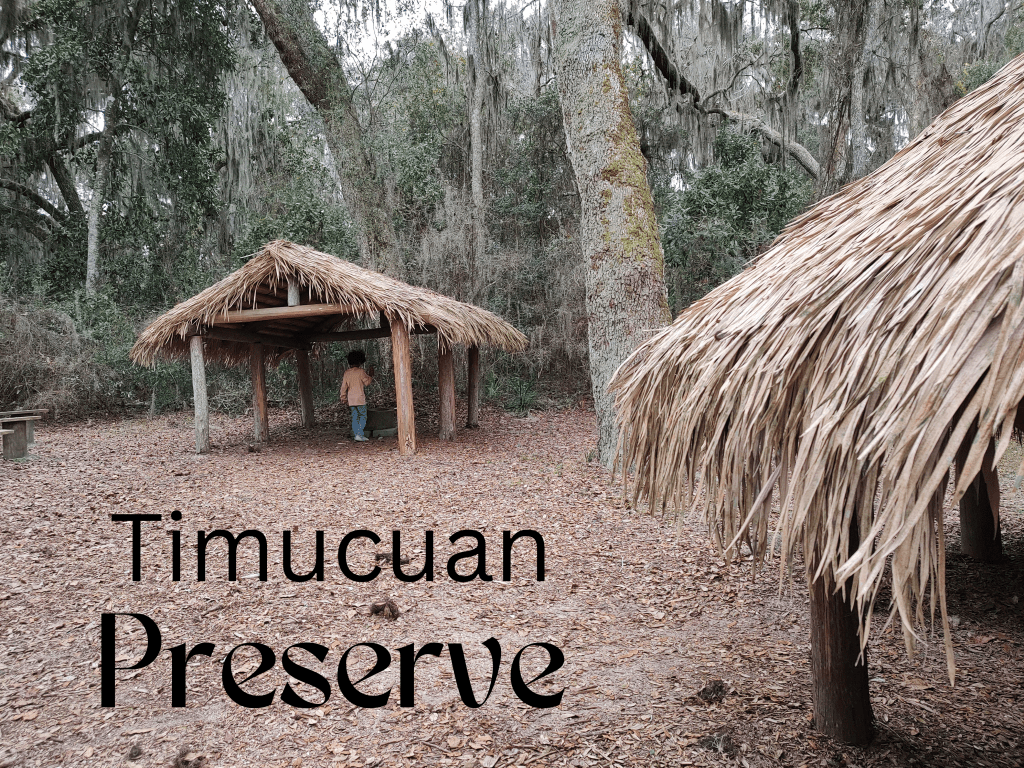
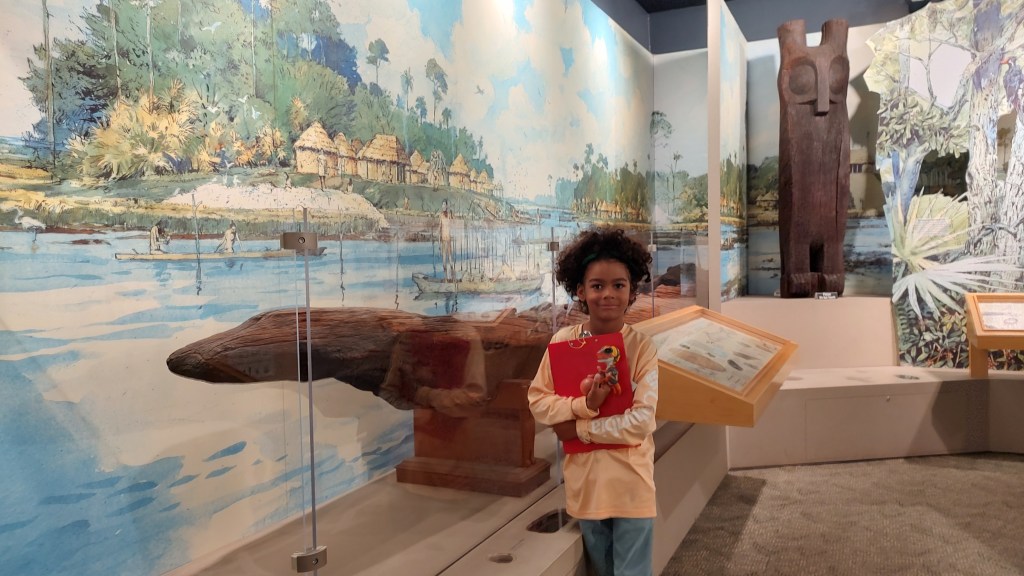
The fort has a visitors center and a trail leading to the fort itself. Along the trail is a display of Timucuan huts and a dugout canoe. My son said that Molly Denali called them “kuh-buhn” (fact check needed). (Molly Denali is an American PBS show1 about modern day native Alaskans, I highly recommend for its cultural heritage education and it’s really cute. :)) The closest I could find is the word “kenu”…
“Canoes are the most common type of traditional native American boat, used throughout much of North America, Central America, the Caribbean, and many parts of South America. In fact, the word canoe comes from the Carib Indian word for a canoe, kenu. There are many different Native American canoe styles, and tribes could often easily recognize each other just by the profile of their canoes. In general, native canoes fall into the following three major categories: dugout canoes, bark canoes, and plank canoes.” http://www.native-languages.org/boats.htm
After earning his Jr. Ranger badge and touching the hearts of both the ranger and I by saying his favorite thing that day was spending time with his mom (awww!)…we left the fort and headed for the ferry a few miles away to cross the river and reach the other sites of the Timucuan Preserve. We stopped at a little playground across from the ferry before onboarding. Technically, you can cross the river using the 1-295 bridge but where’s the fun in that?
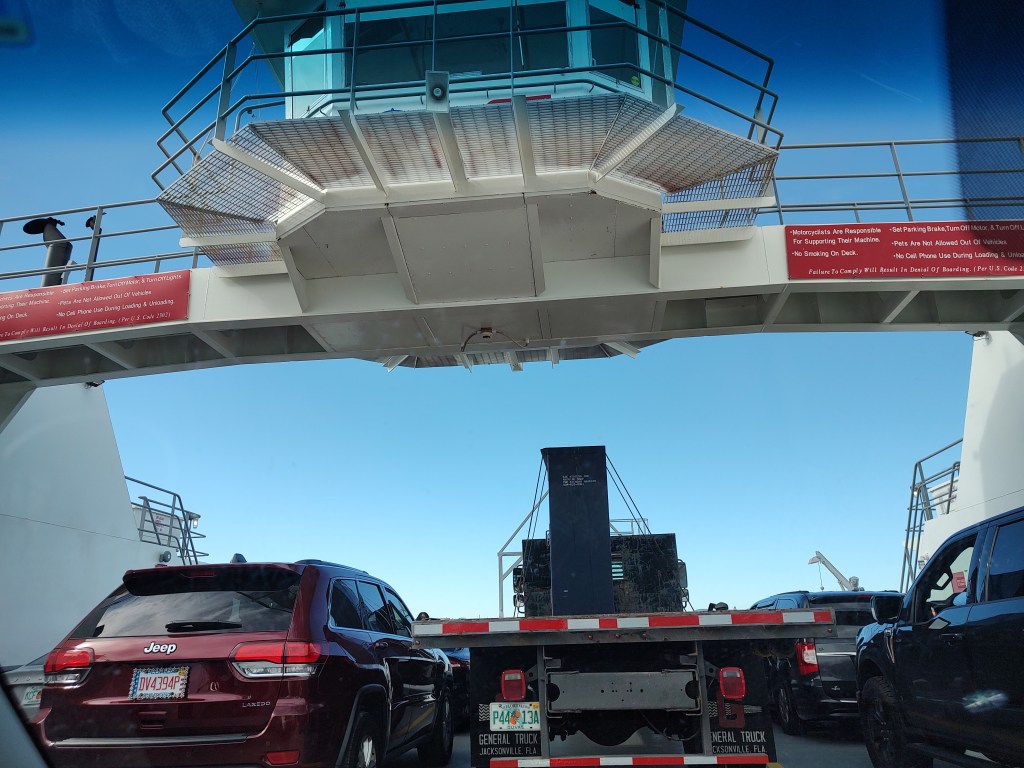
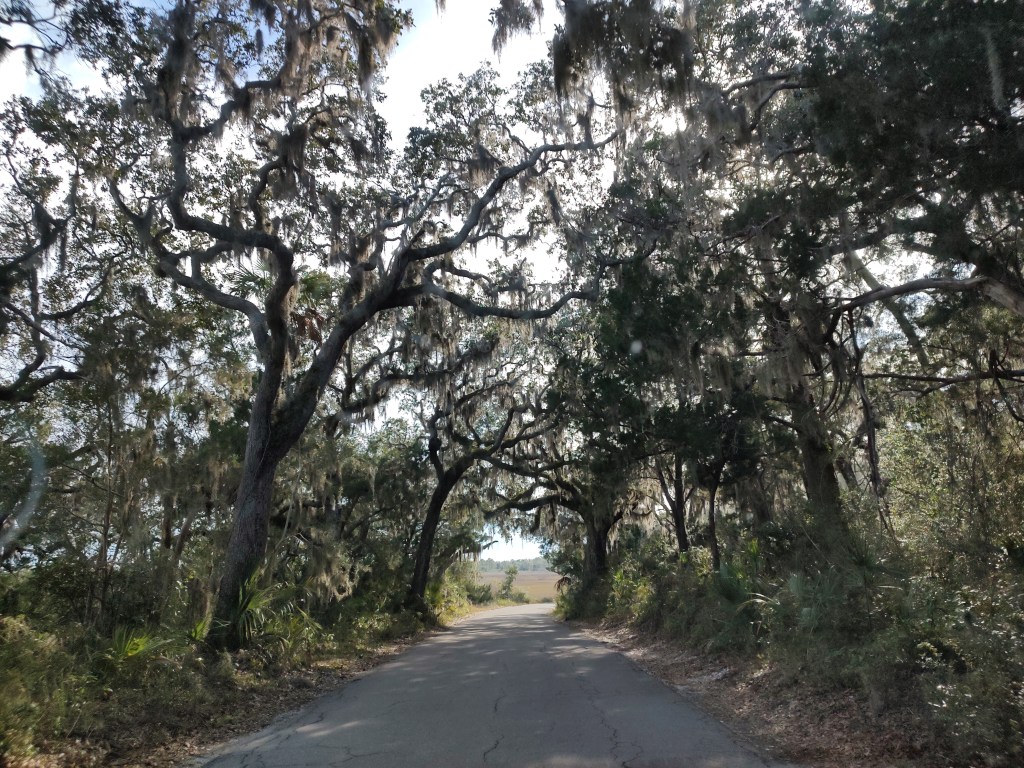
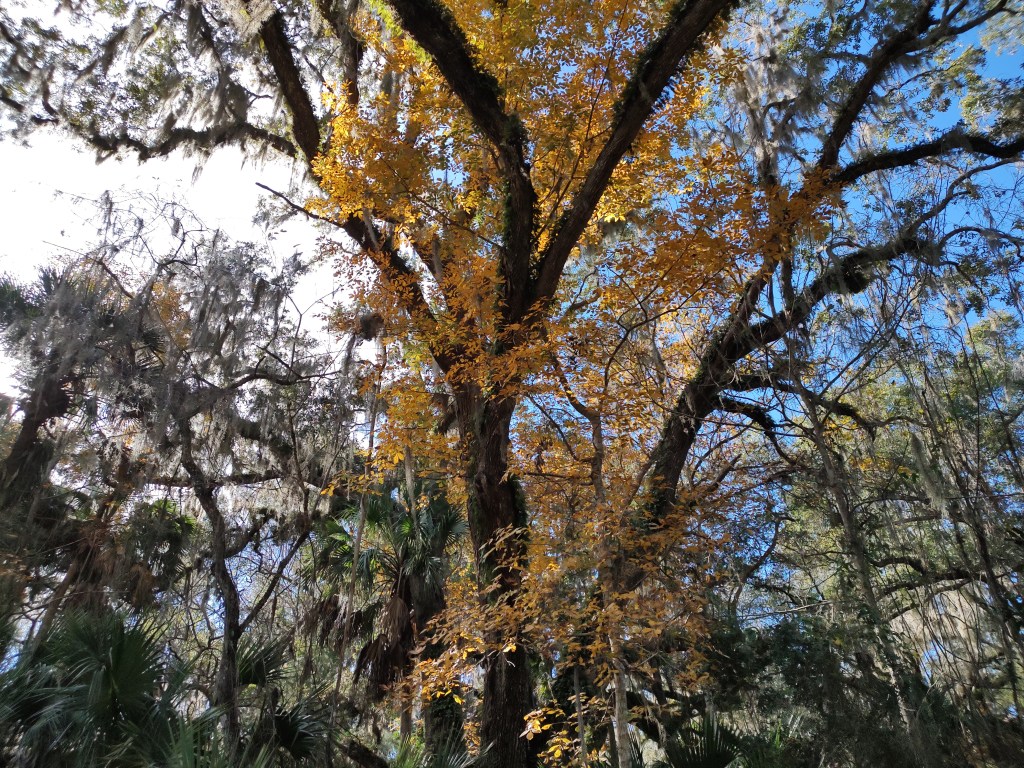
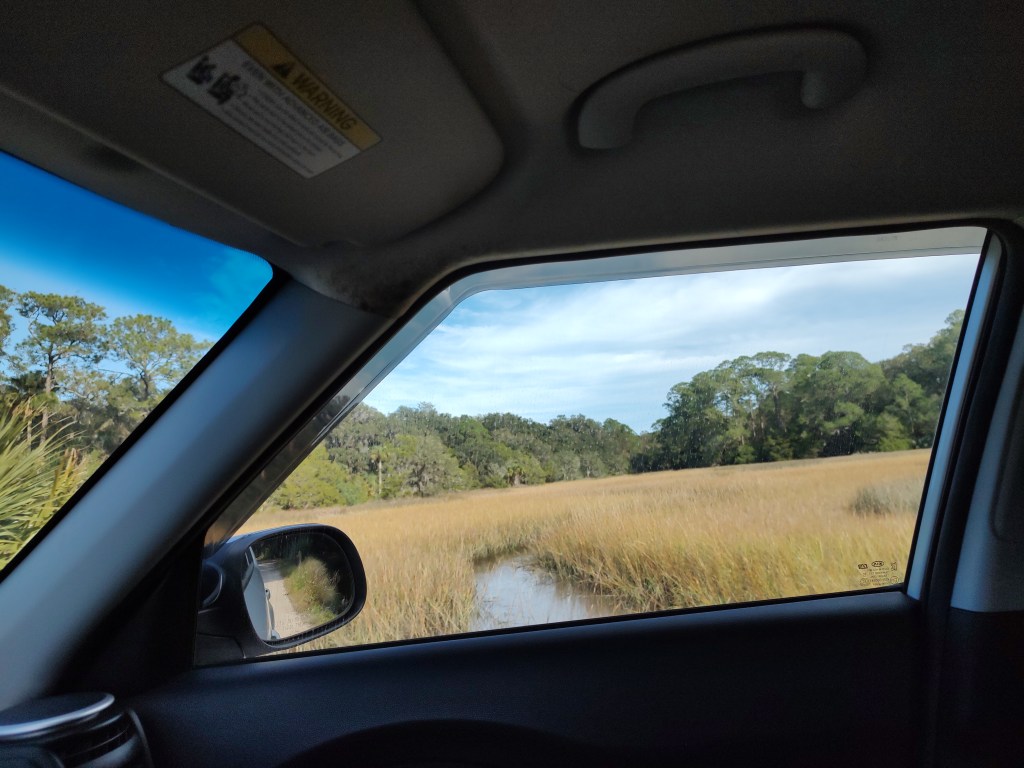
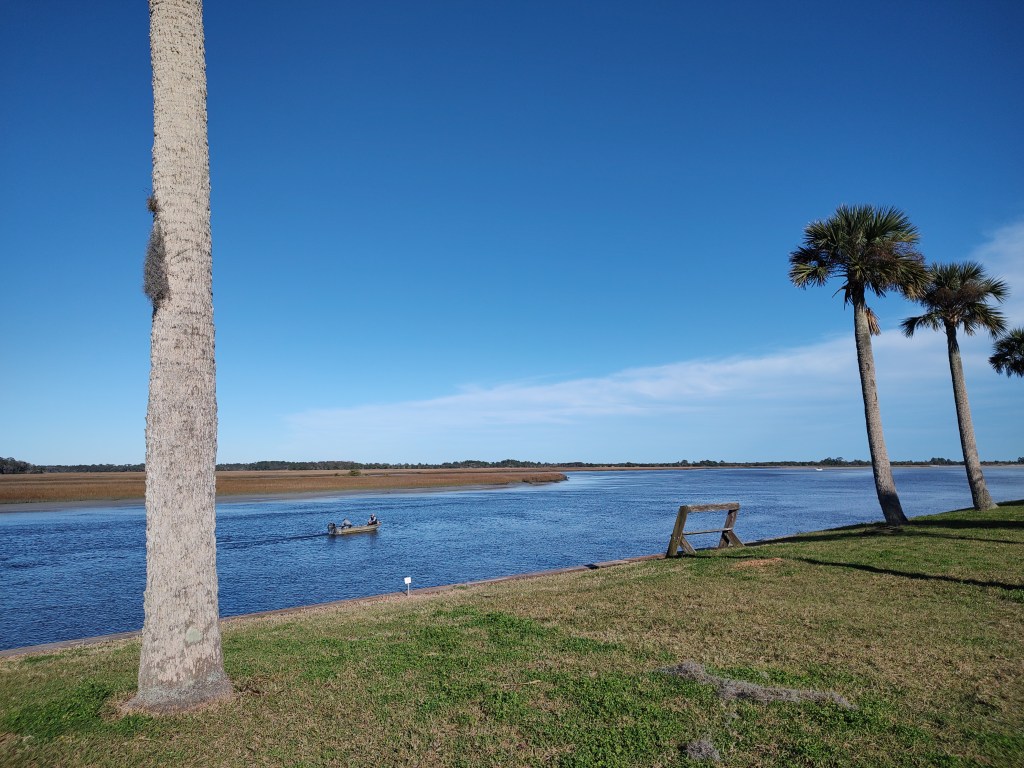
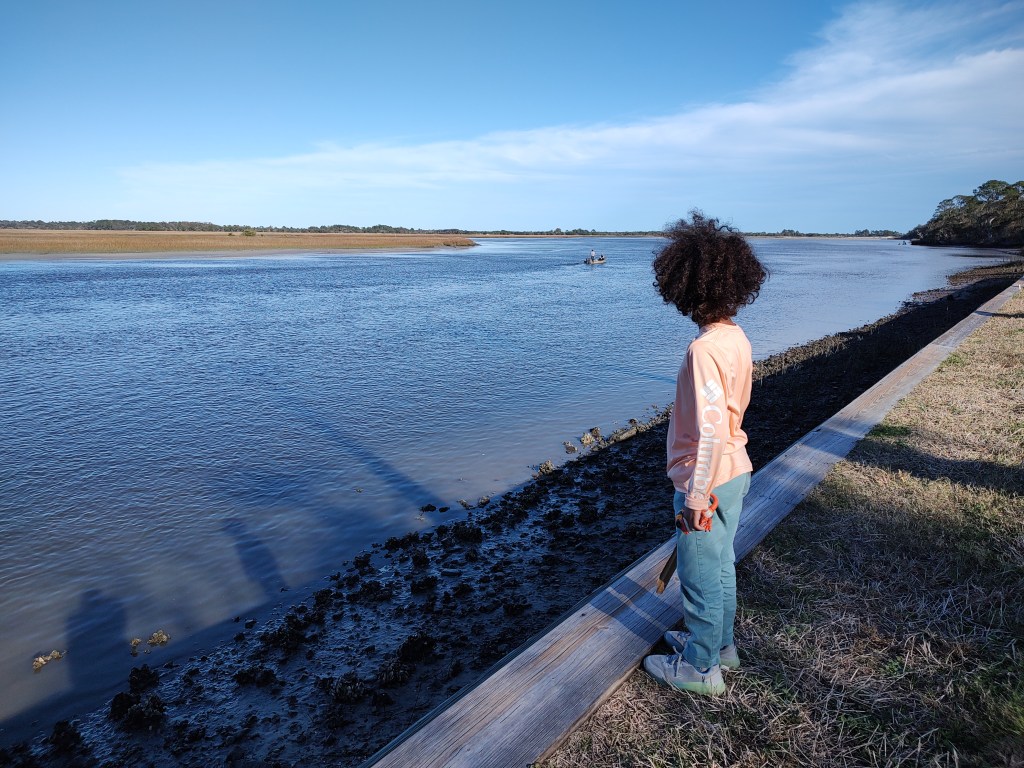
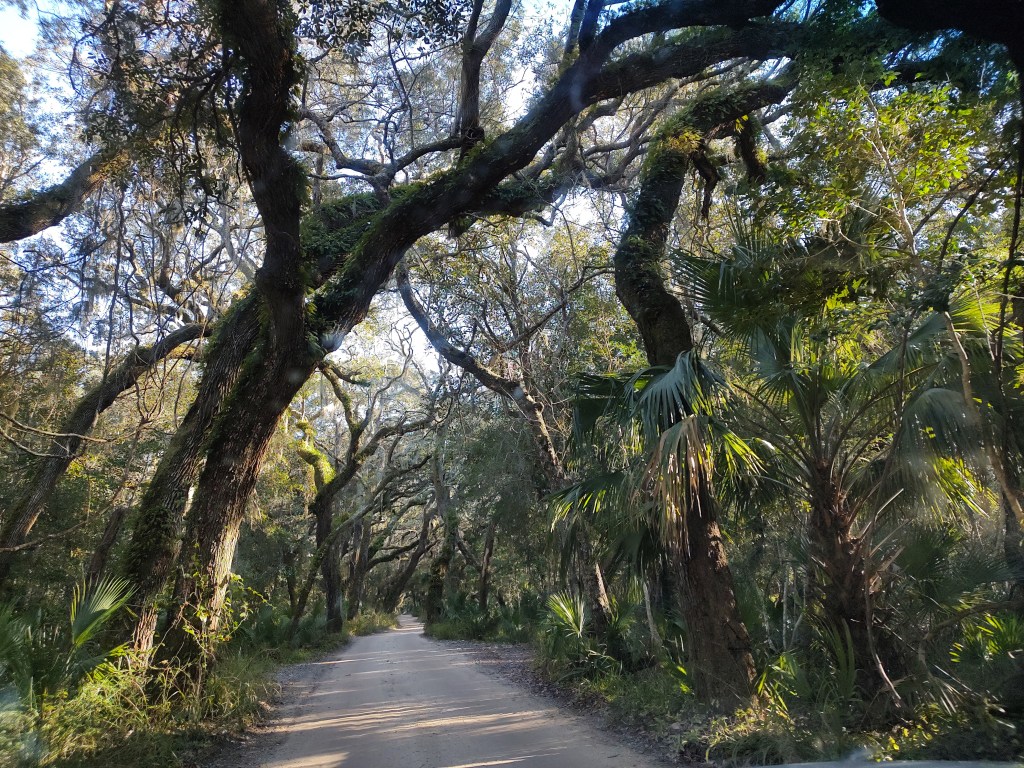
The ferry took us to the other side, only a few minutes drive to the Kingsley Plantation entrance. There you will drive down a narrow dirt road that is a little like driving on the side of a mountain, only in this case, right through the marsh with beautiful landscapes of tree canopies.
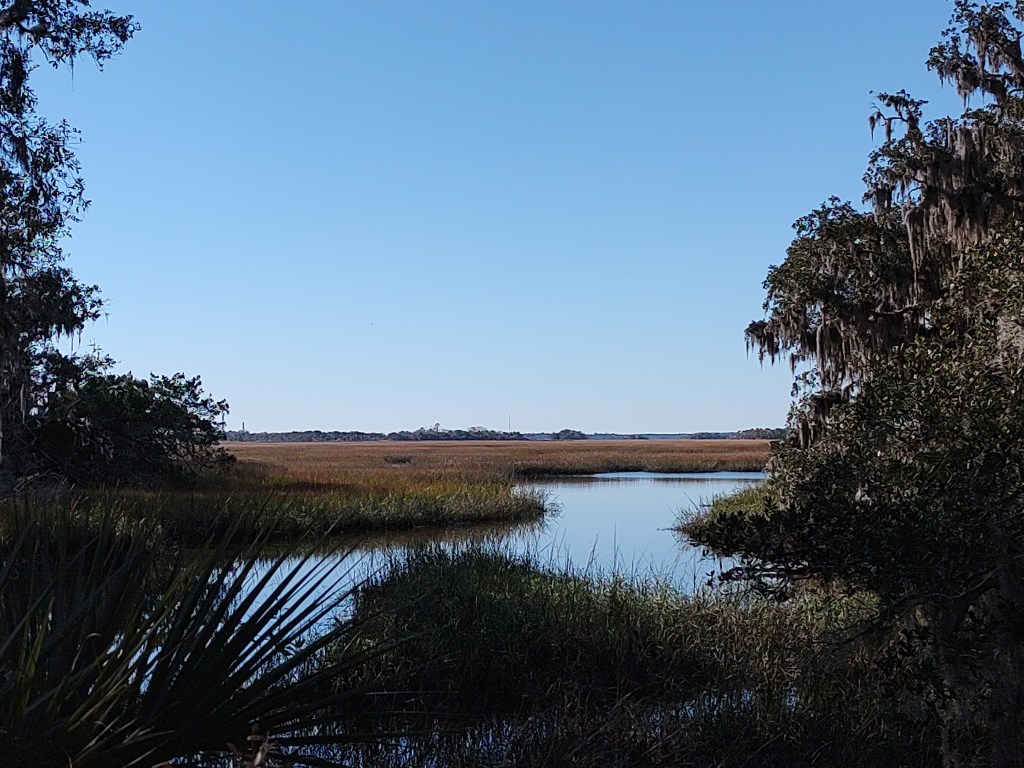
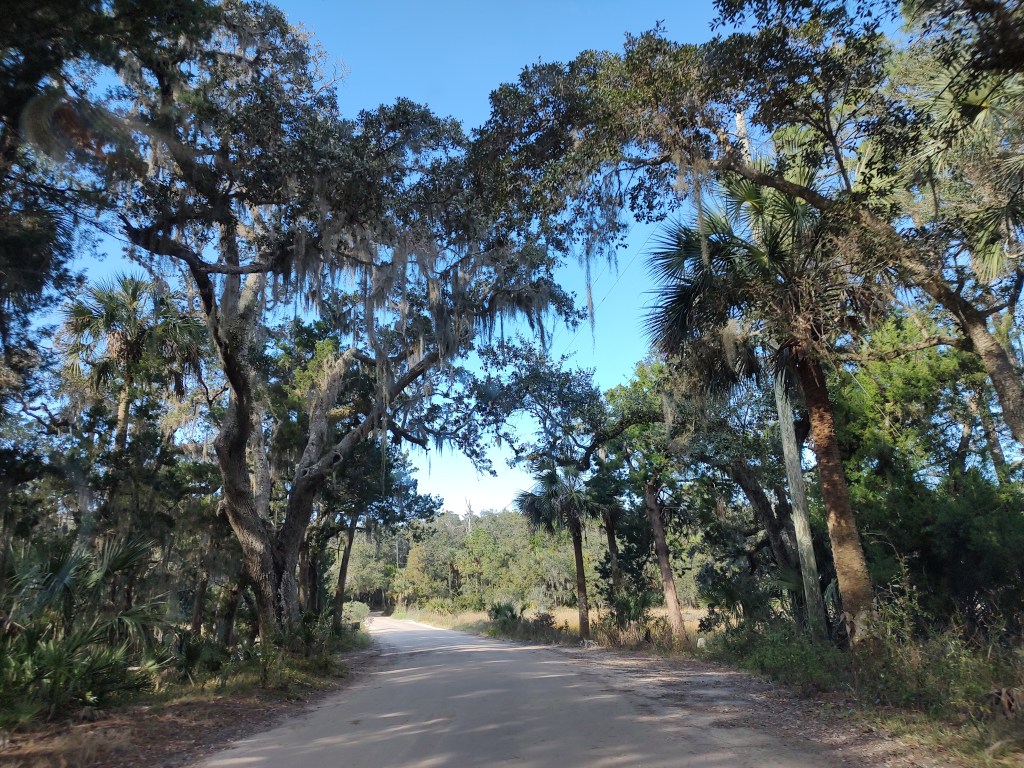
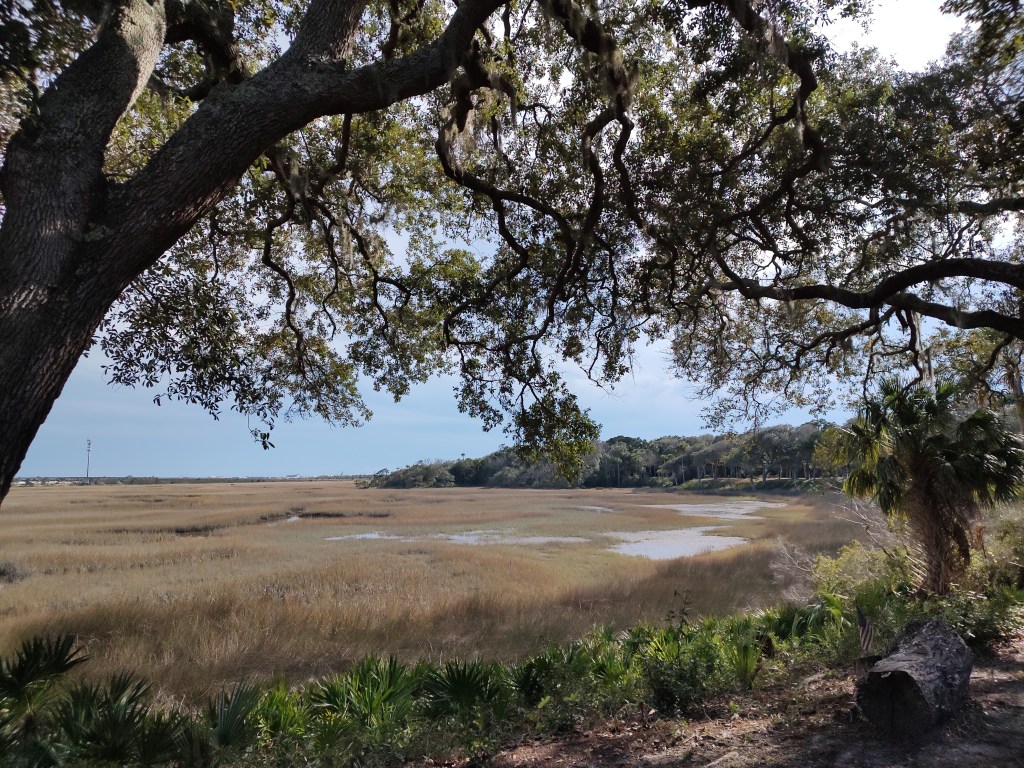
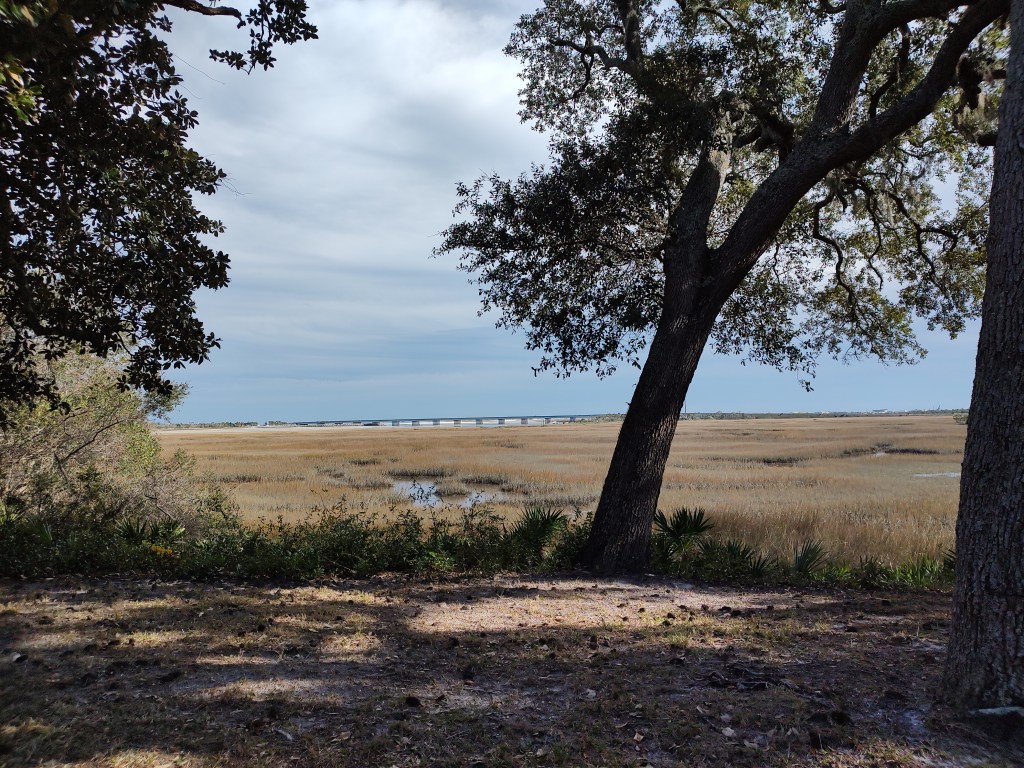
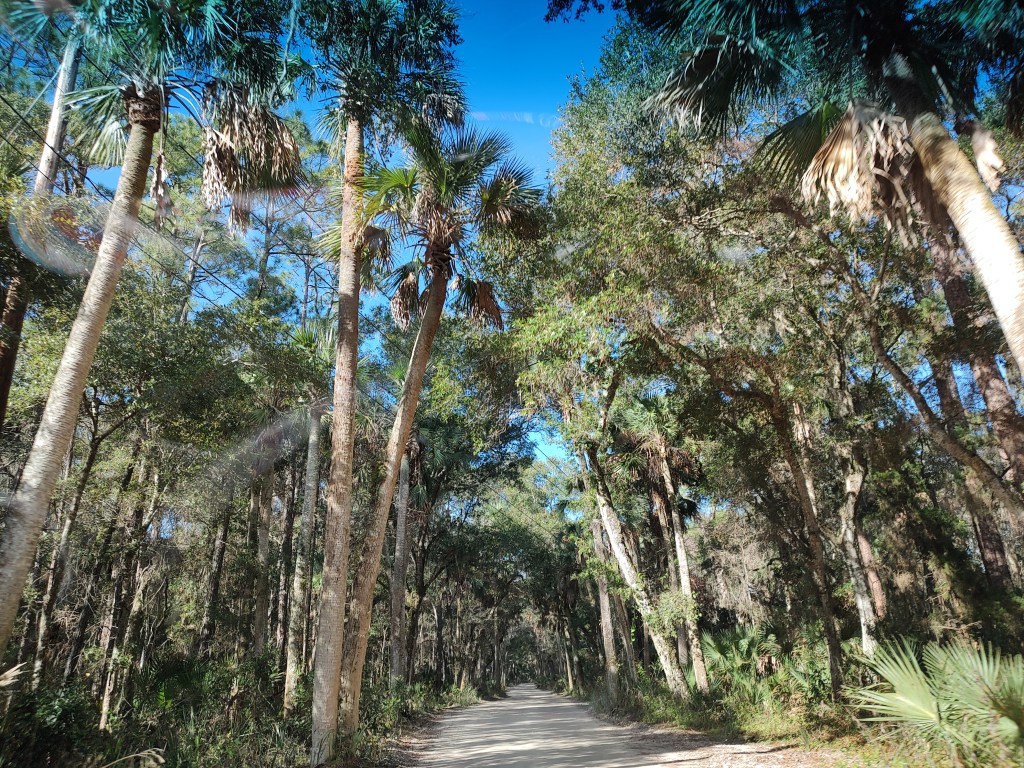
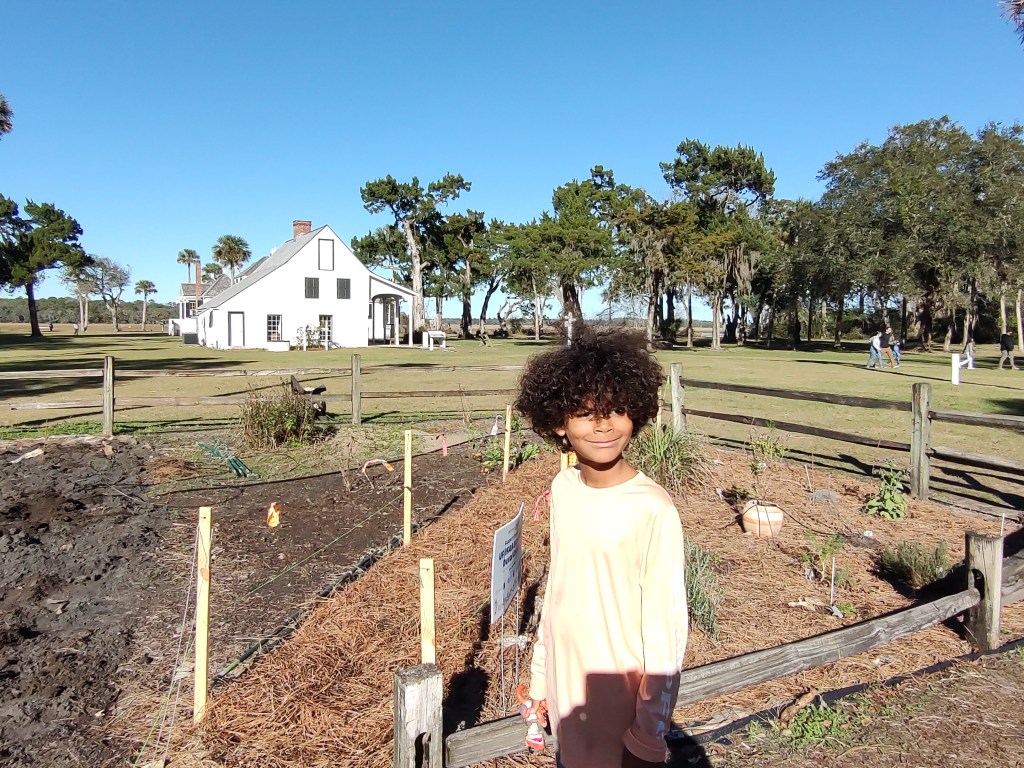
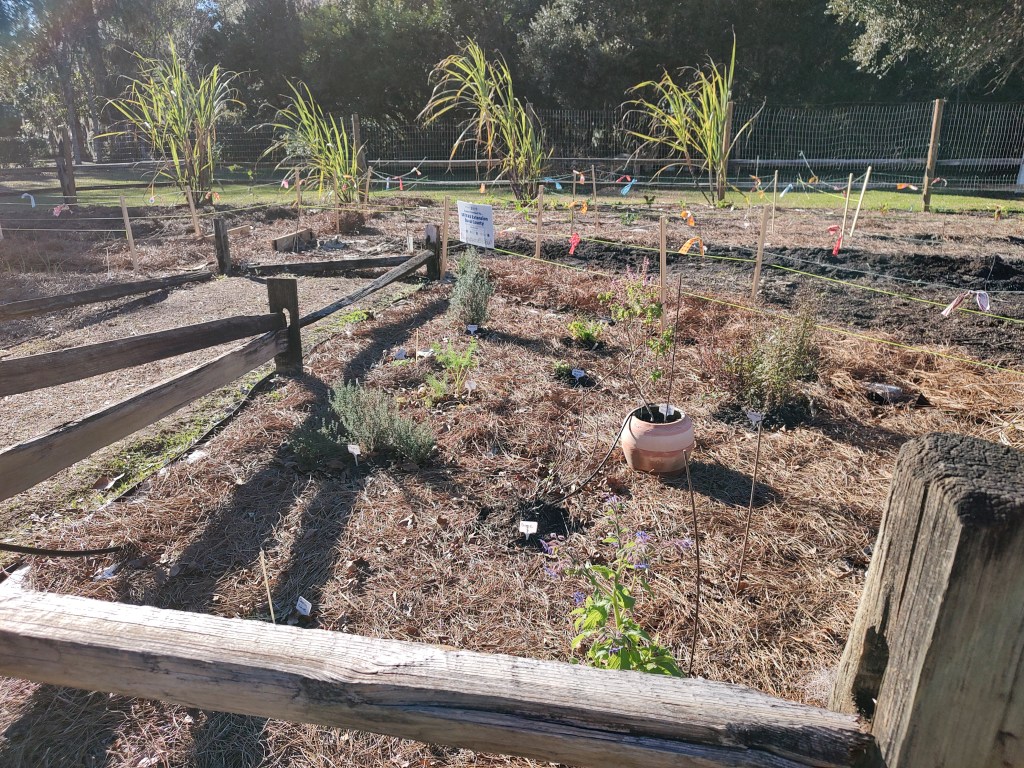
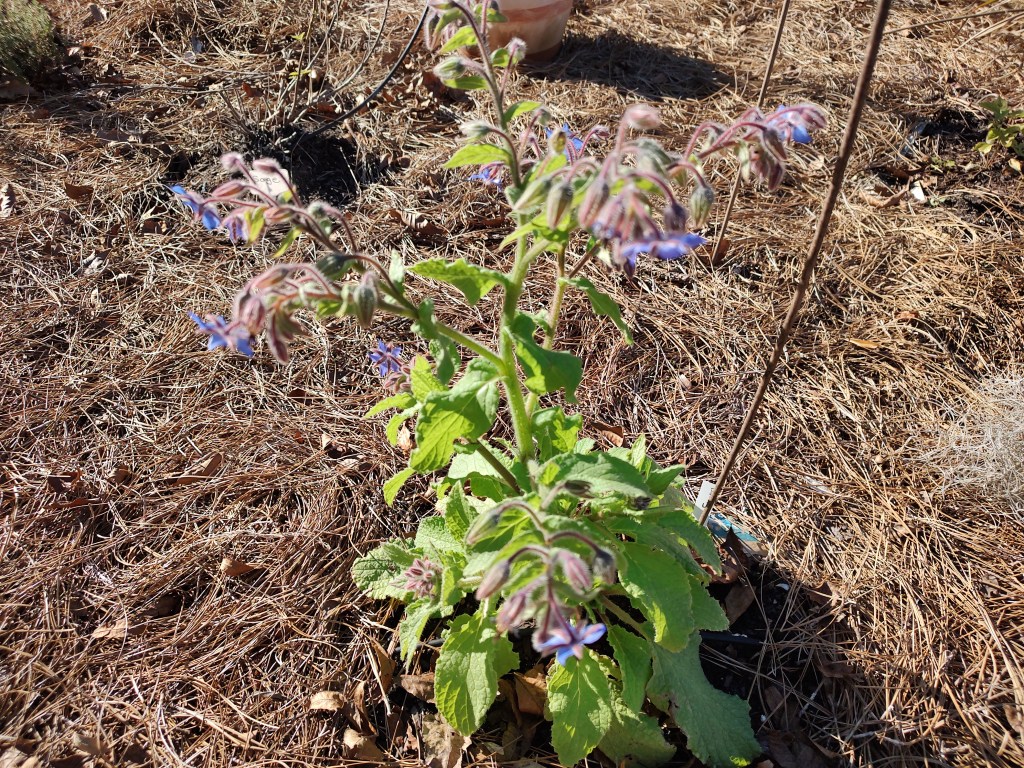
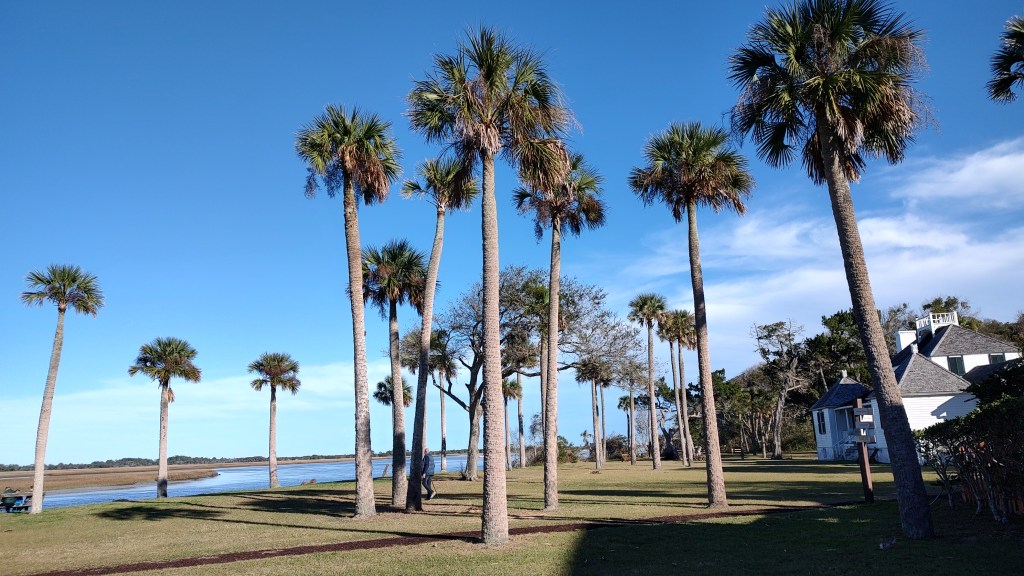
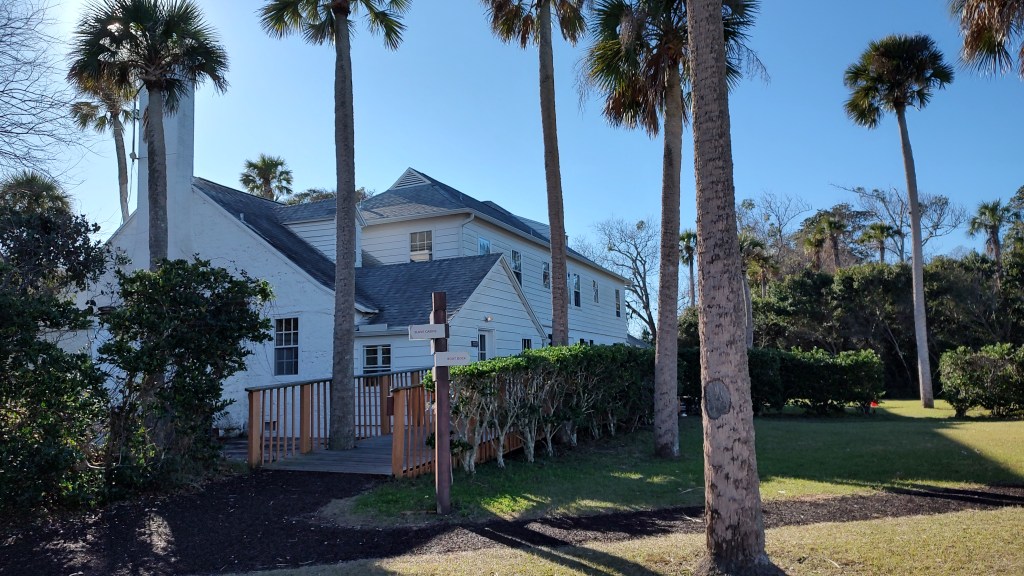
Kingsley plantation was fitting for pre-observance of Martin Luther King Jr. day since it was once a thriving slave plantation. It was fun to walk the grounds exploring abandoned slave quarters and the main house. The slave compounds were made out of shells, mostly oyster shells, sand and water, a method called “tabby”, the houses called “Tabby houses.”
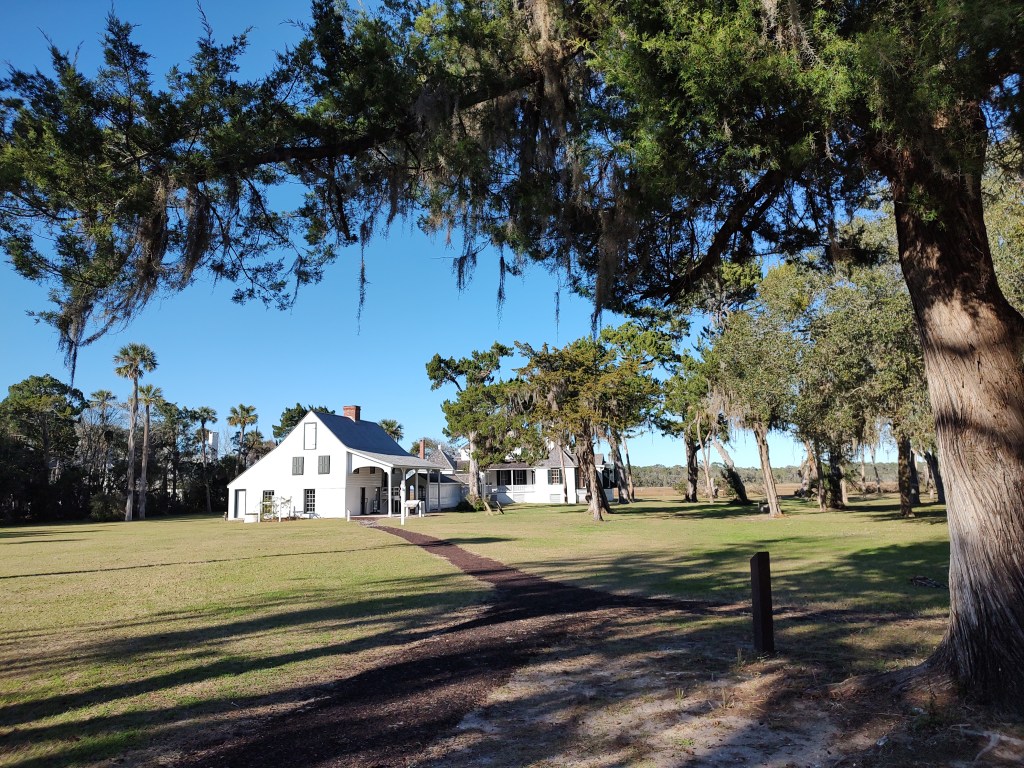
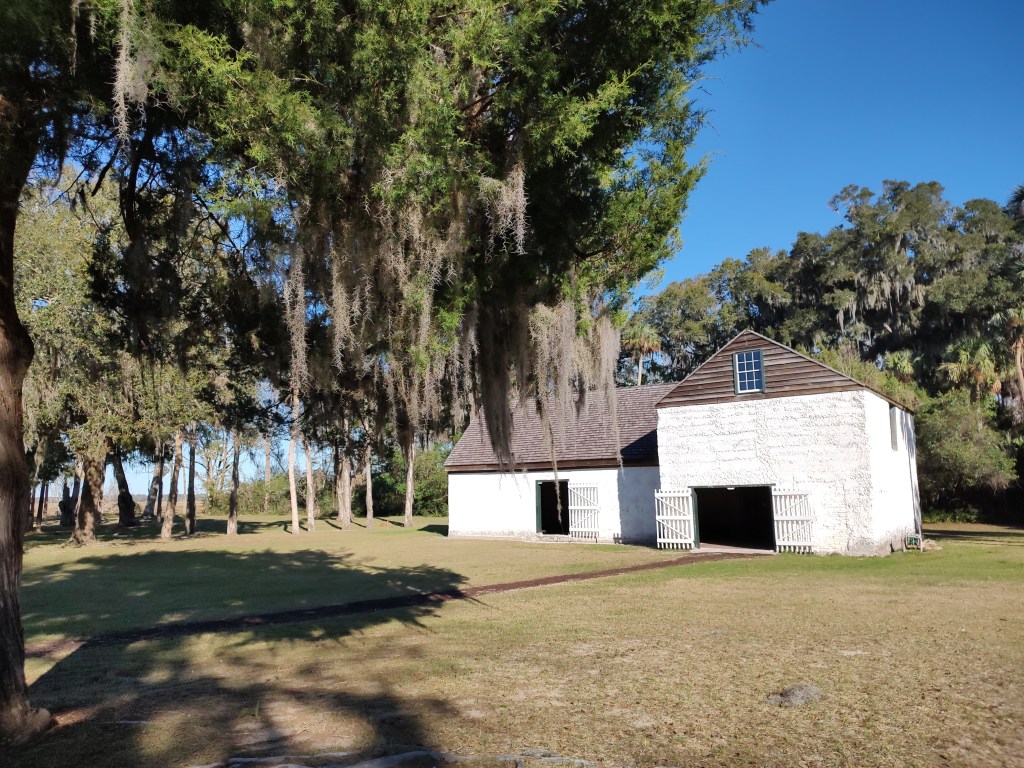
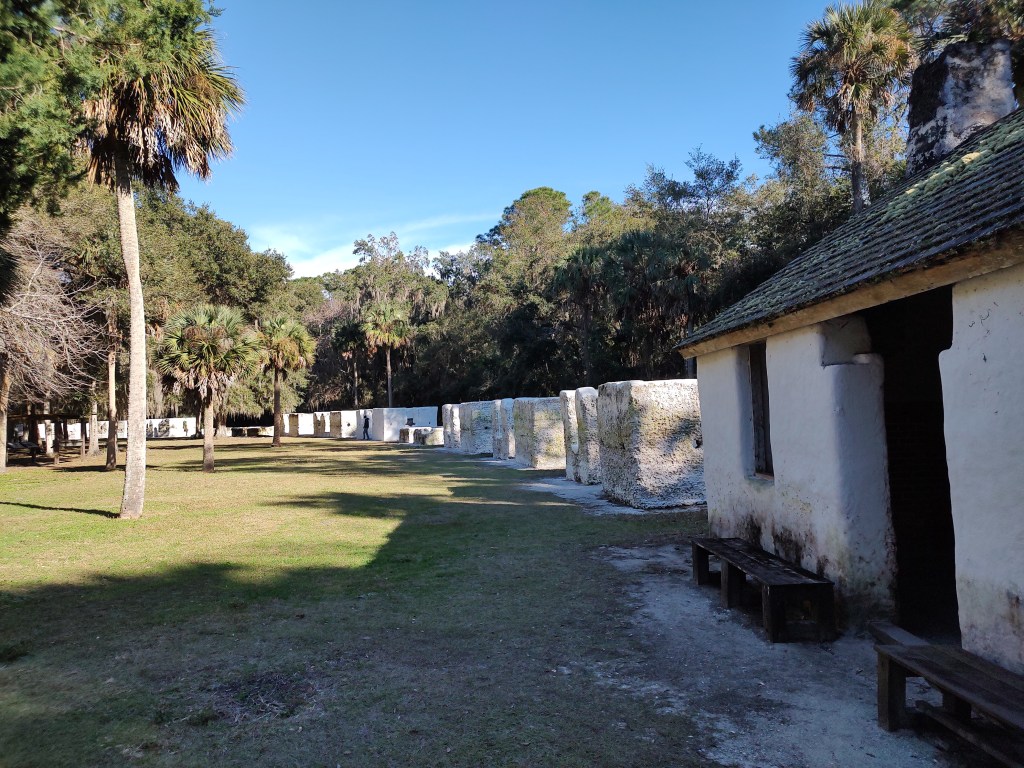
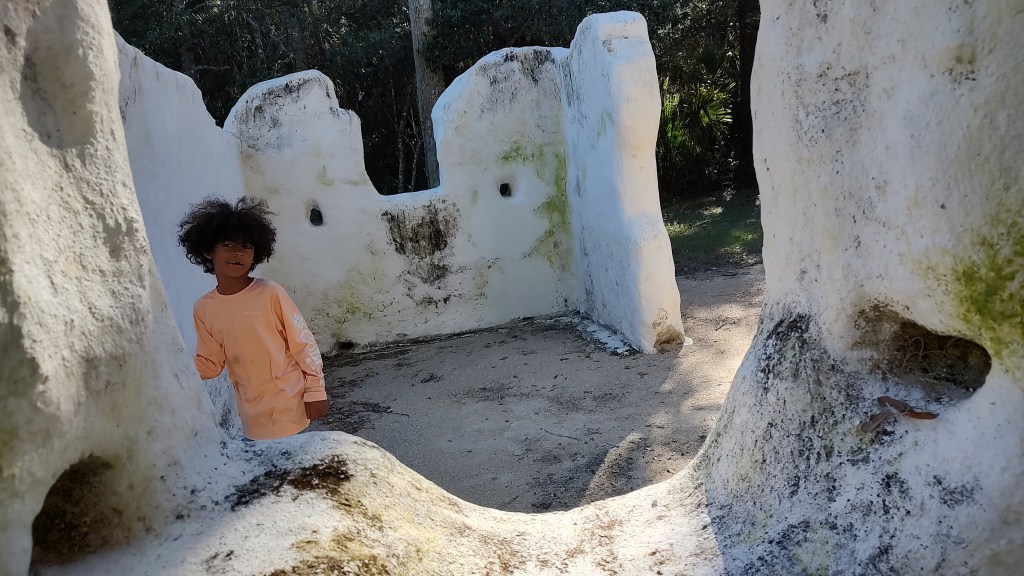
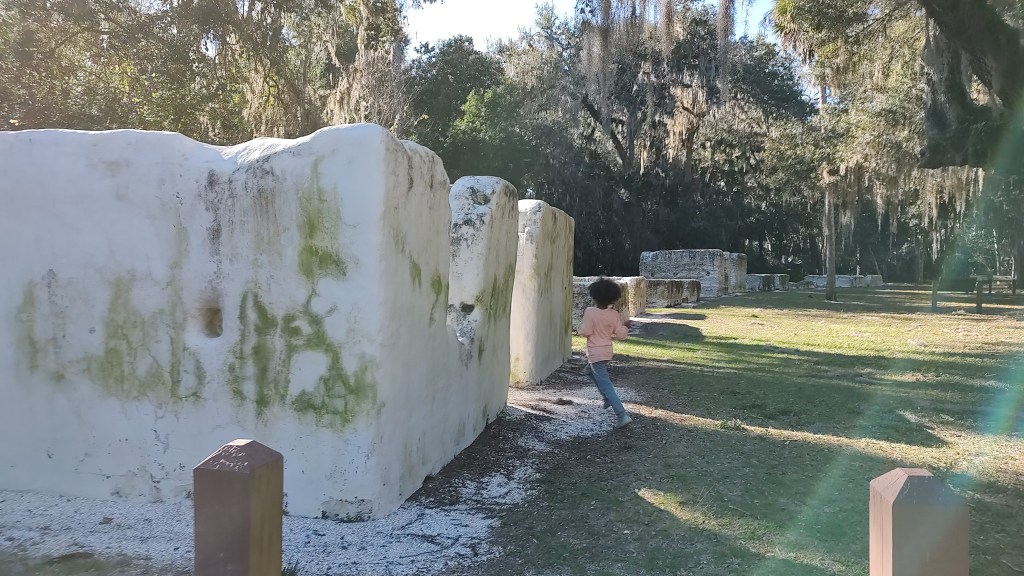
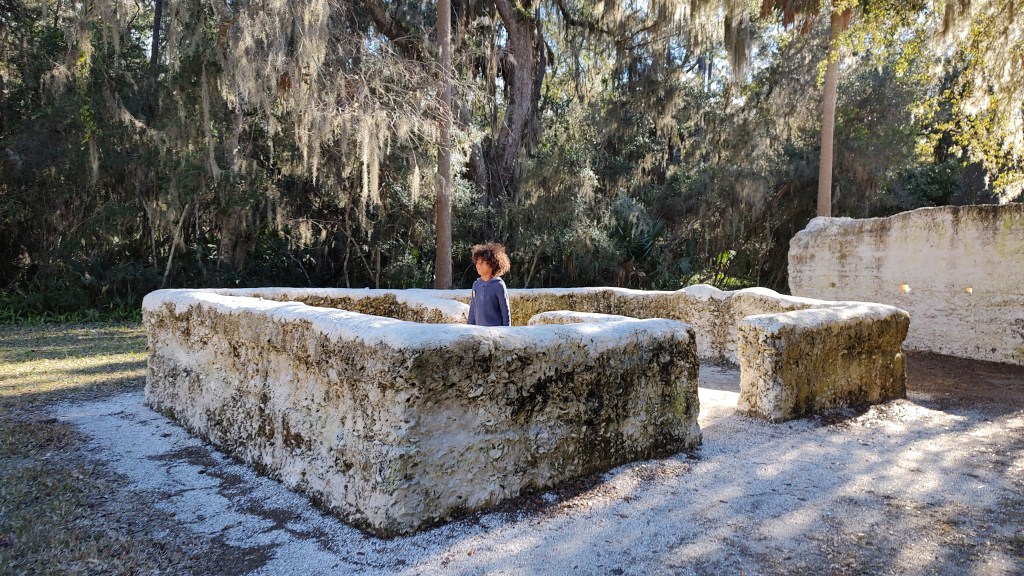
“Labor at Kingsley Plantation was carried out by the task system: each slave was given an assigned set of tasks for the day, such as processing 20–30 lb (9–14 kg) of cotton or constructing three barrels for a slave who was a cooper. When the day’s jobs were completed, slaves were free to do as they chose.[46][47] Kingsley Beatty Gibbs described the task system in his journal:
“October 5, 1841—No work was done today, as all the people have it to gather their own crop—It is a rule which we have, to give all the negroes one day in the spring to plant, and one day in the fall to reap, and as there is a rule on Sea Island plantations fixing the tasks required each day to be done, it occurs, during the long days of summer, that the hand is generally done his task by 2 p.m., often sooner, so they have abundance of time to work their own crop, fish, etc., etc.” (Ref)
The grounds were spacious and well-kept. It was refreshing to walk around, especially knowing how many people of color were there walking around freely, as myself and my child, and the diversity and inclusion we now are accustomed to. Largely thanks to Mr. Martin Luther King, Jr.
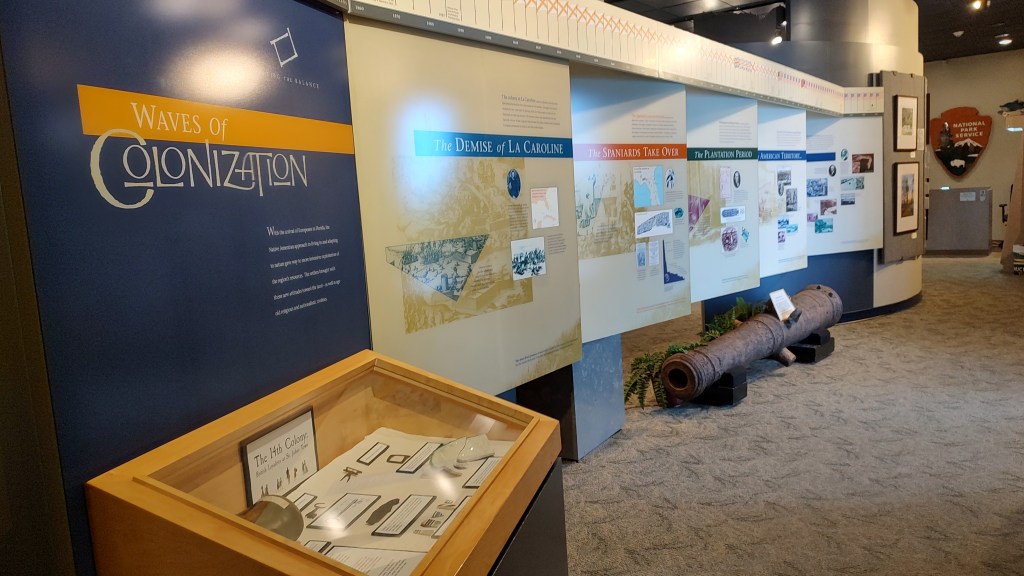
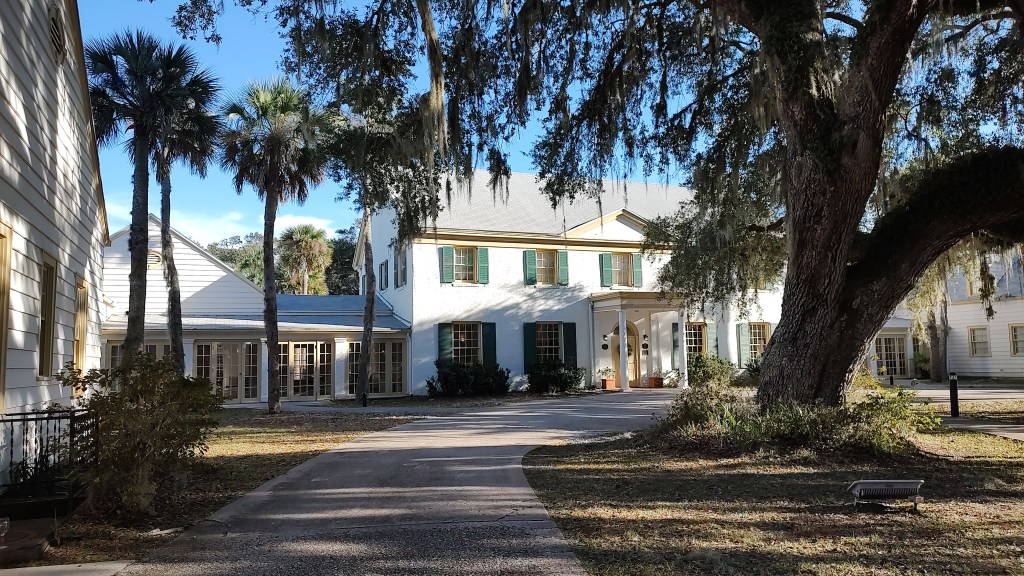
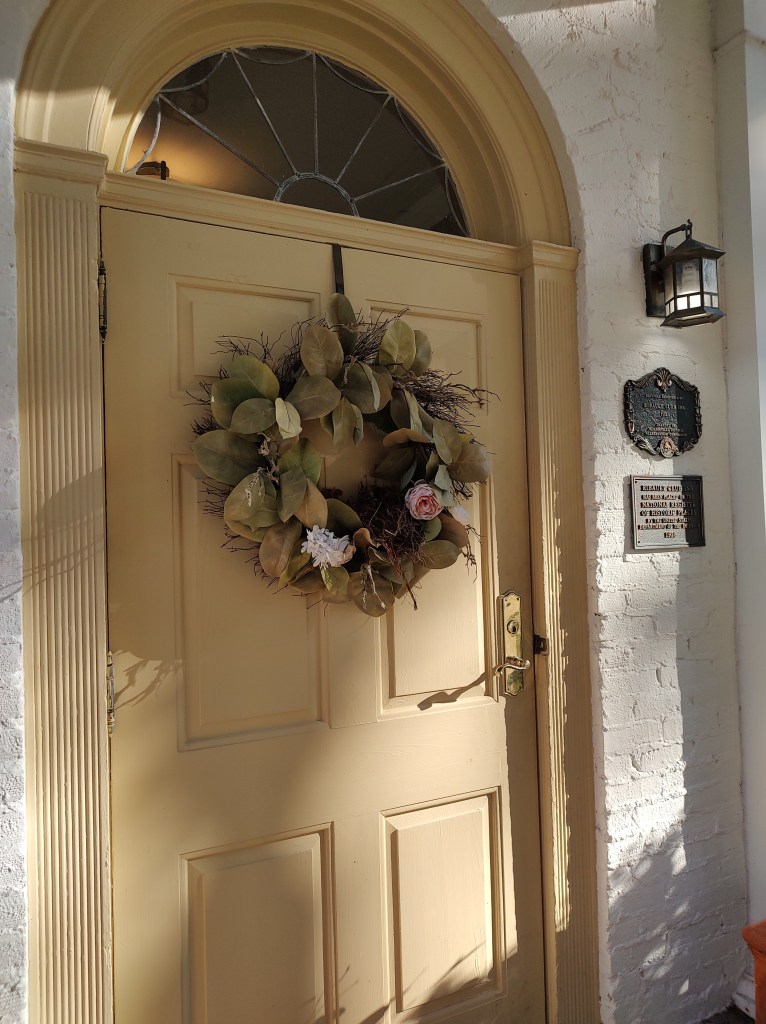
We left there for our day’s last [planned] stop, just around the corner, The Ribault Club, set up for visitors with an interactive museum display for kids and adults. The club also hosts events such as weddings or special occasions.
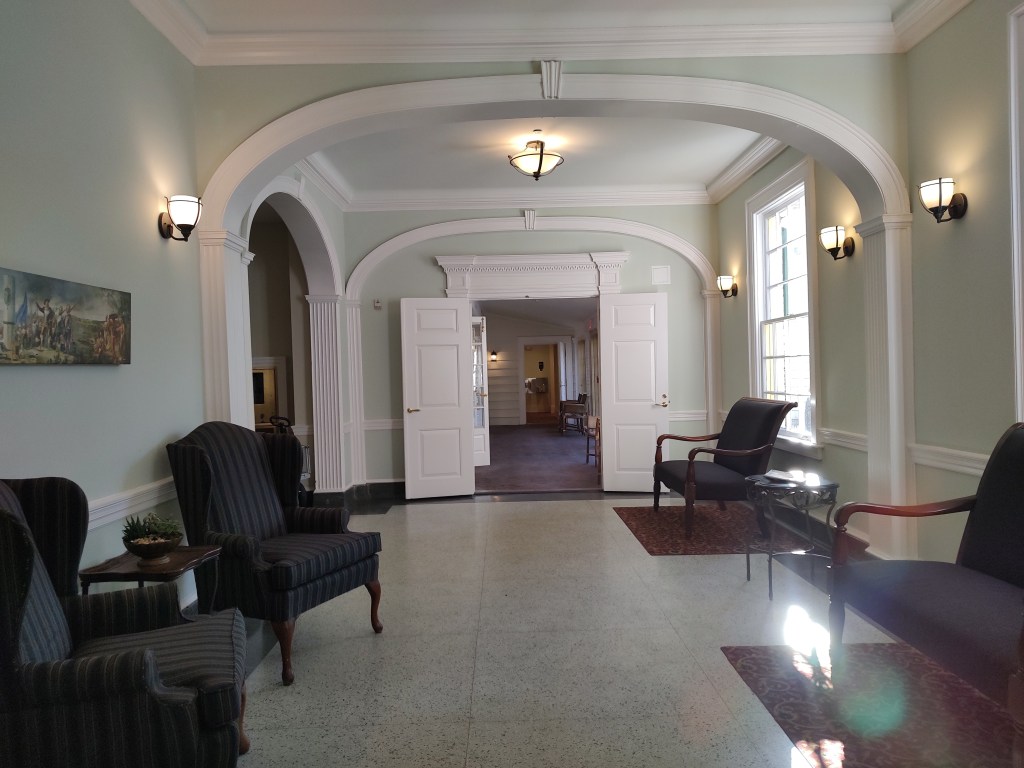
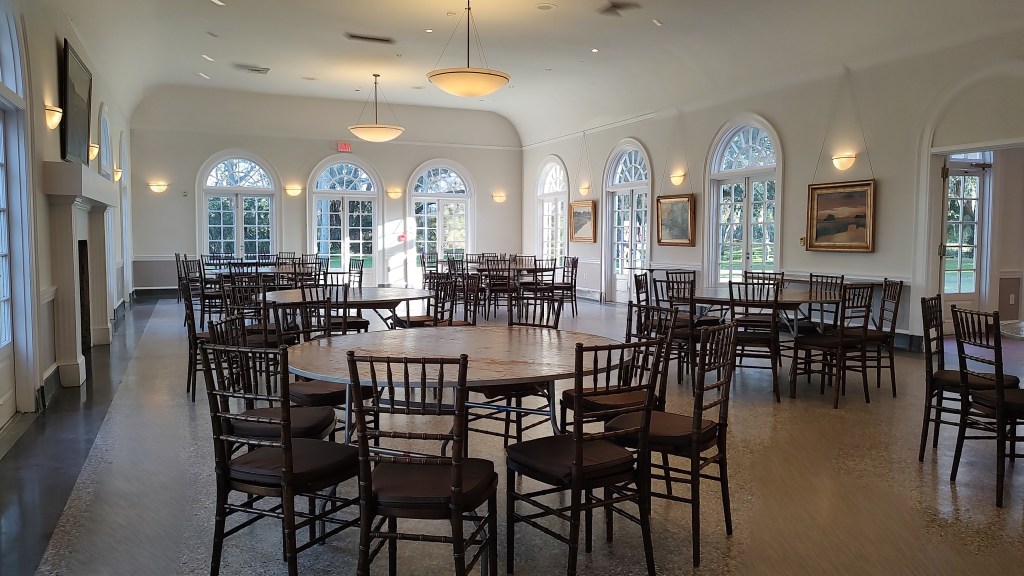
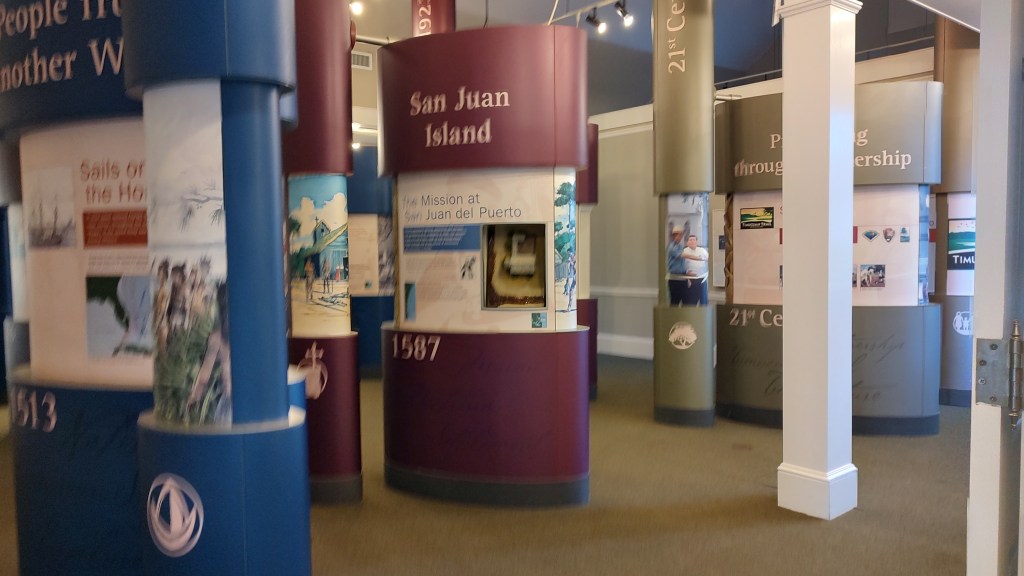
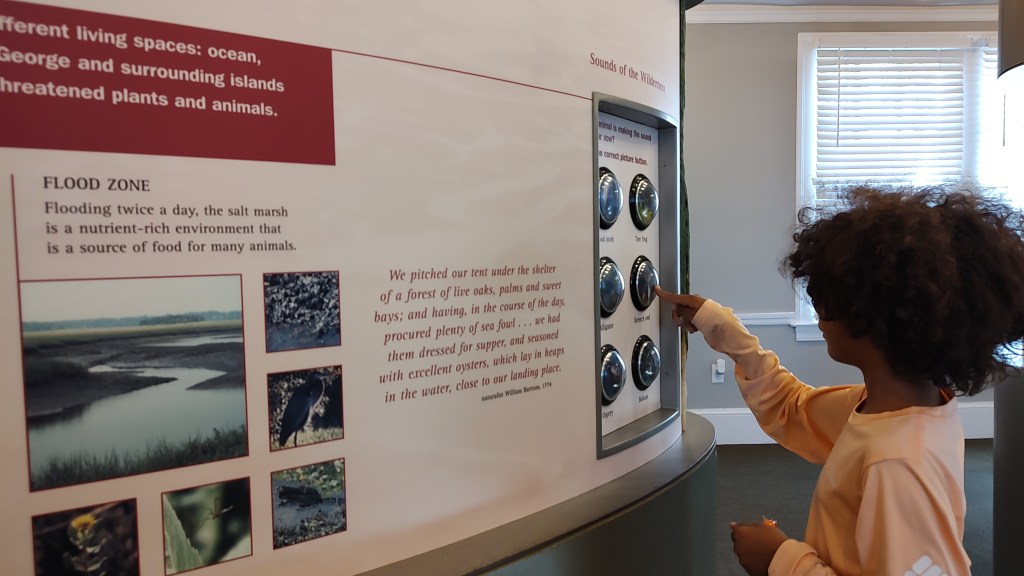
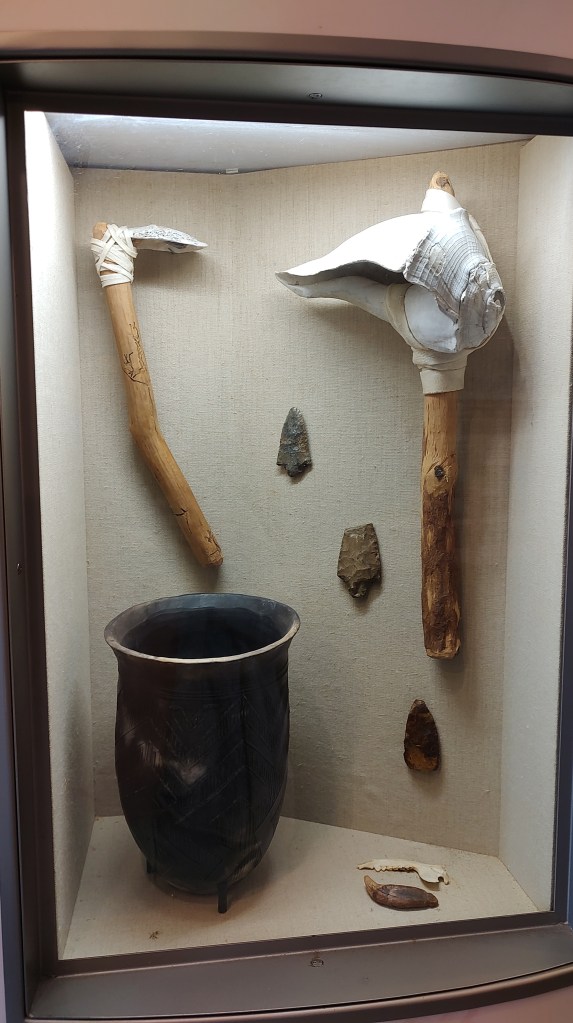
Since we only planned for half a day, we didn’t have time to do any longer trails but they are abundant in the area and we will definitely do more other times. Overall it was a very enjoyable day.
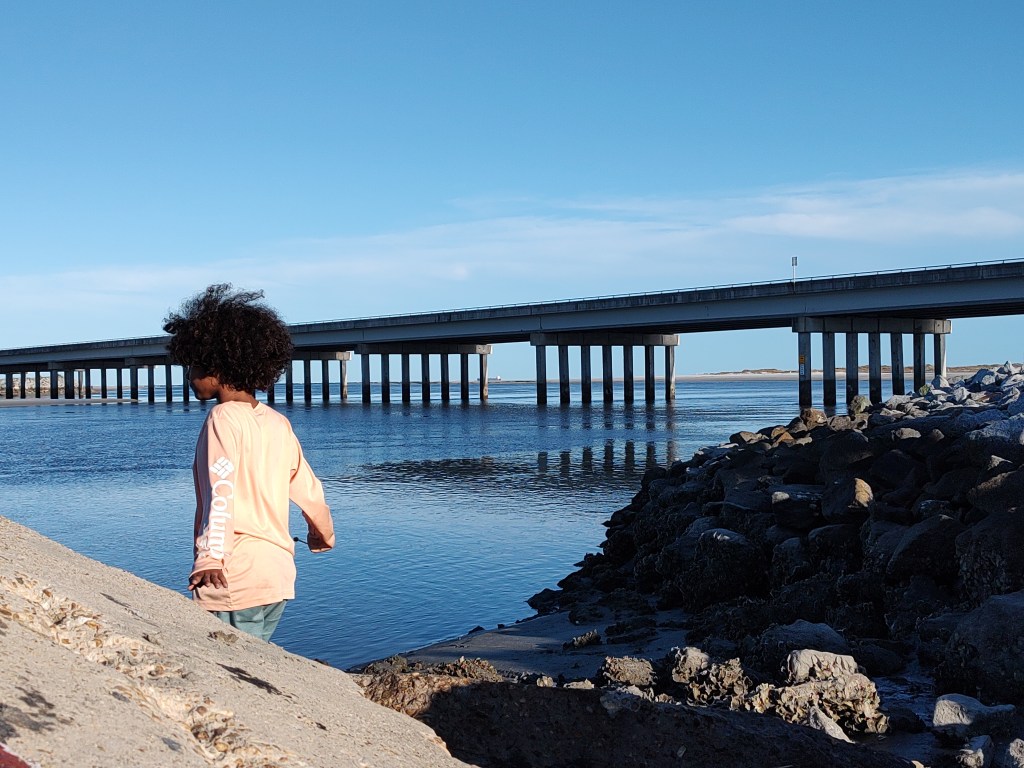
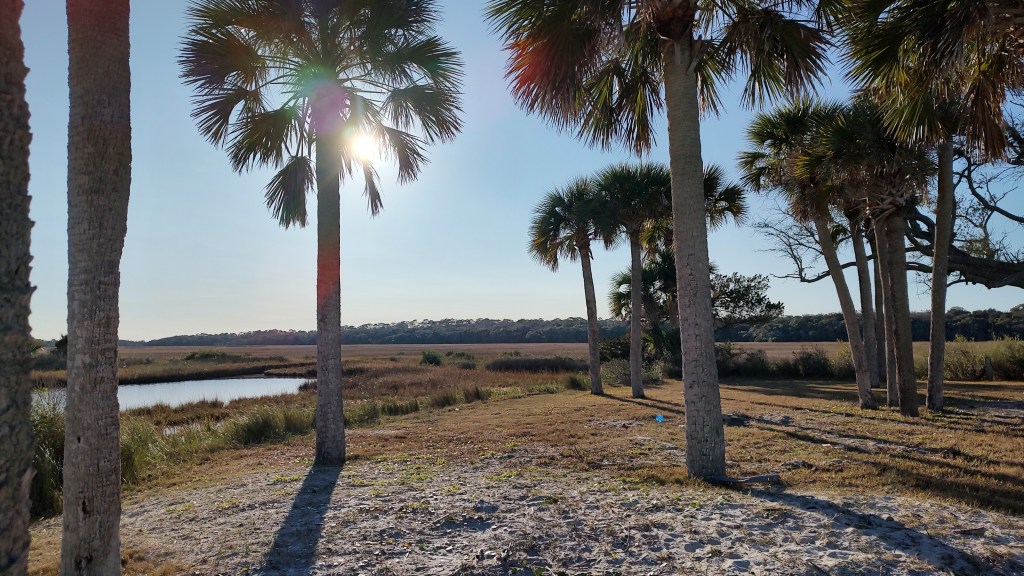
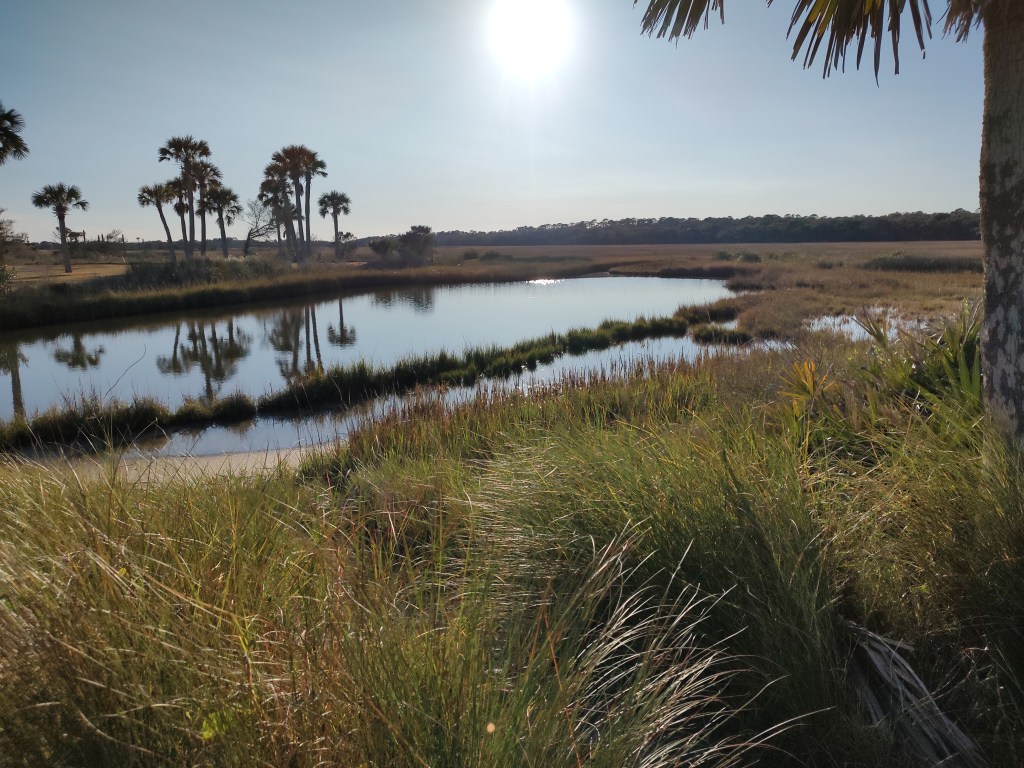
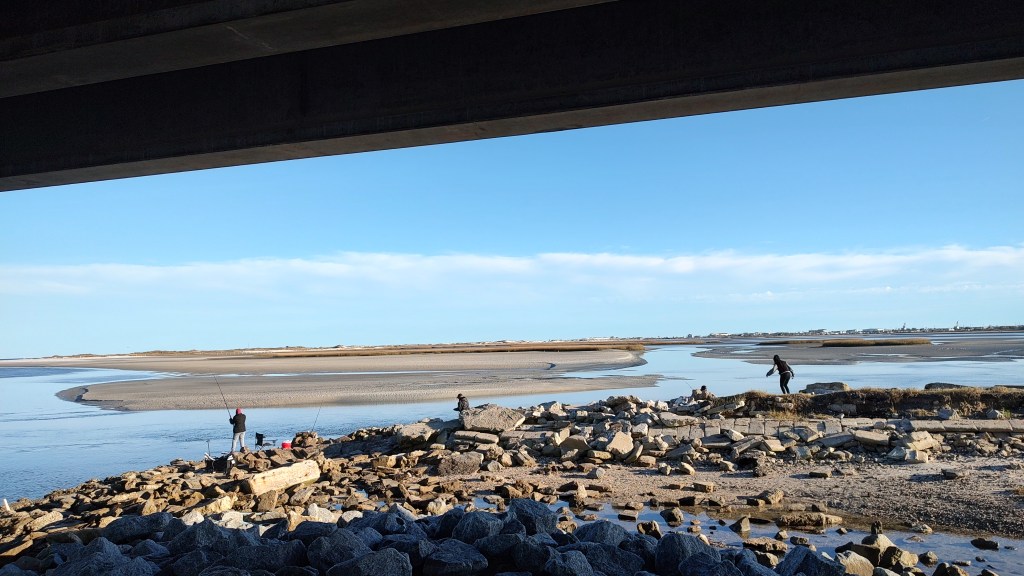
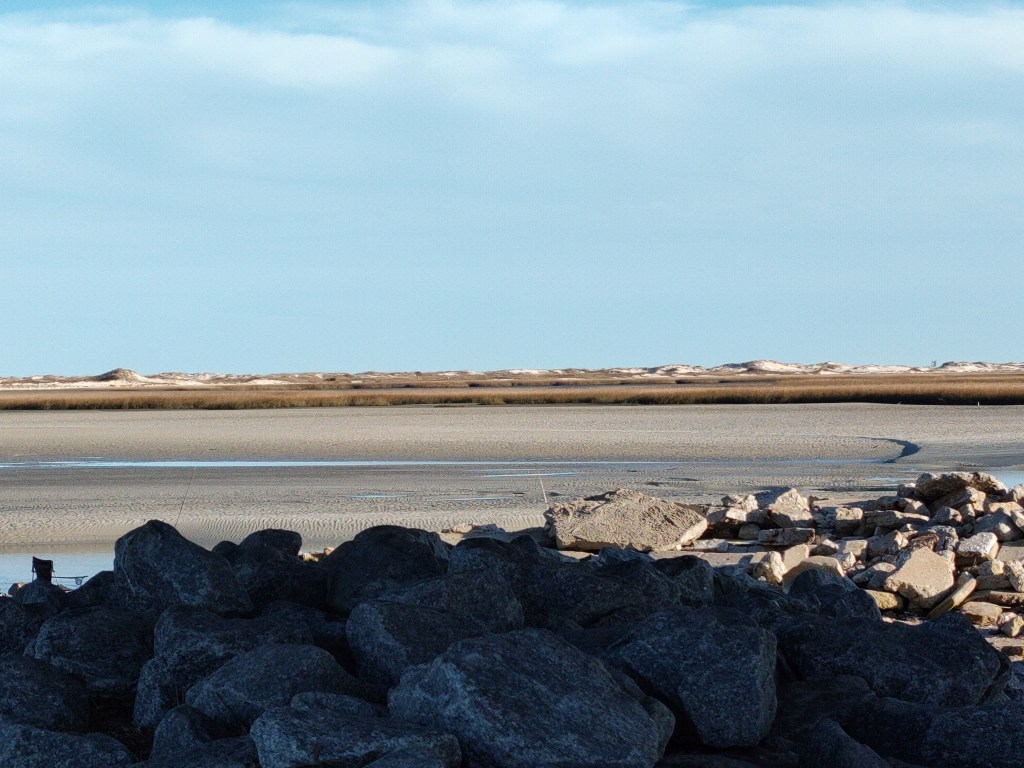
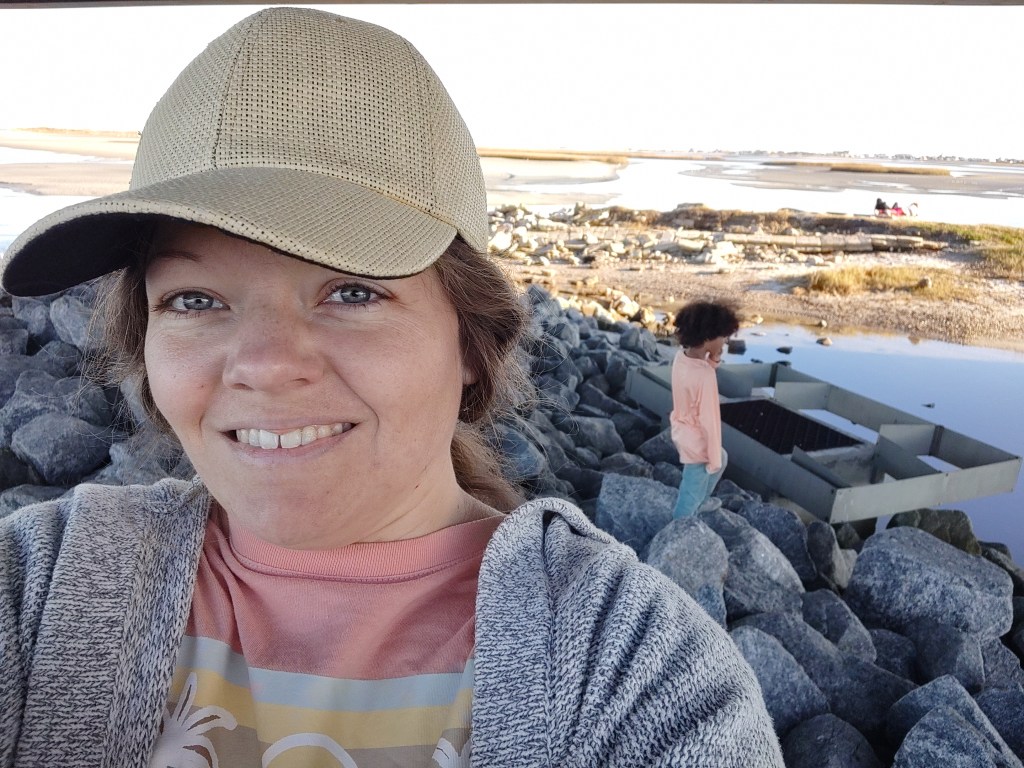
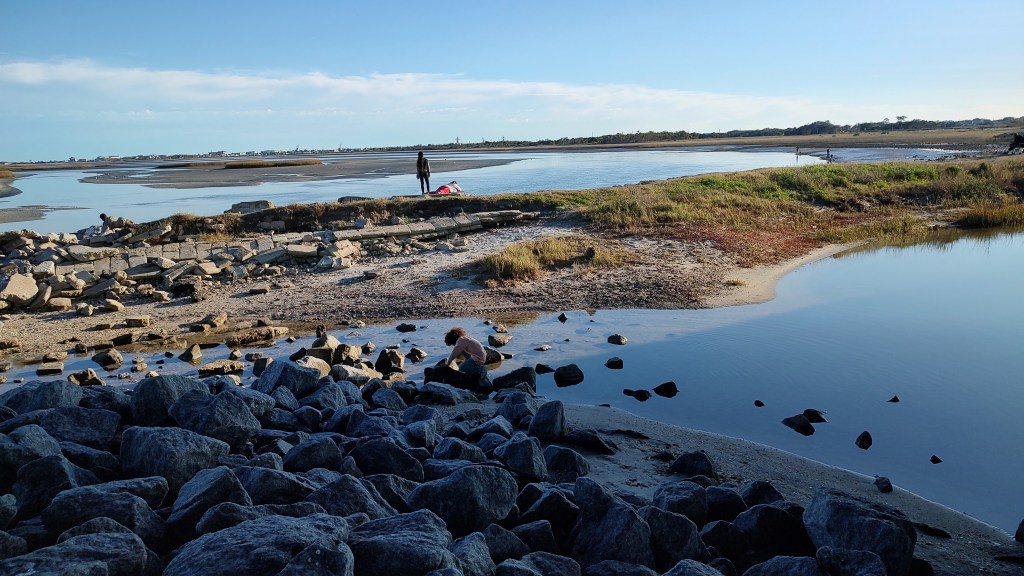
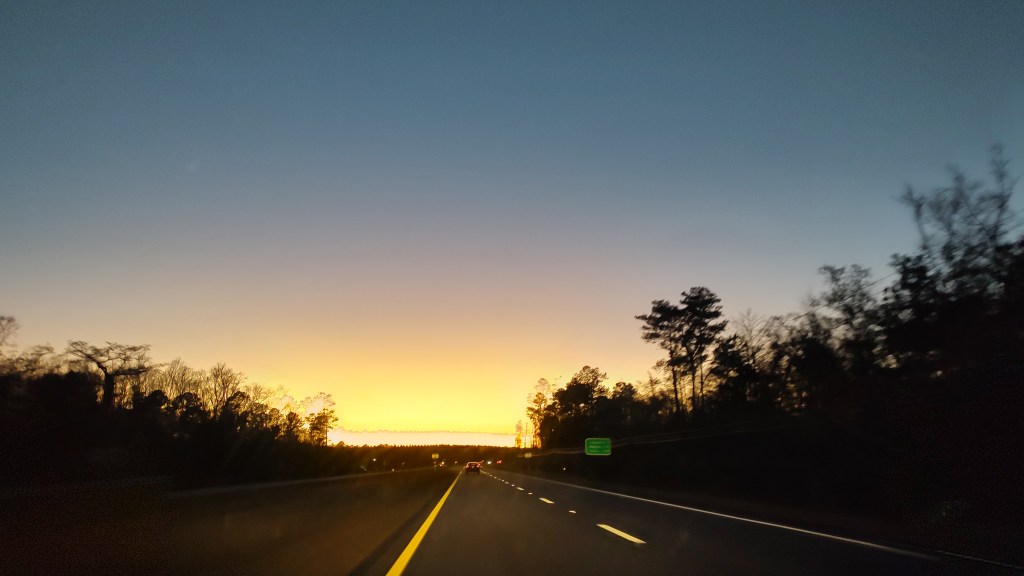
Hope you enjoyed reading about our little trip outdoors and if you’ve recently made one of your own share it in the comments! How do you feel after getting outside and out in nature for a while?
Have a great day,
iam:ForeverBlessed

1https://www.nytimes.com/2019/07/15/arts/television/molly-of-denali-alaska-native-pbs.html


What’s your angle and perspective?