Originally published 09.06.23
| Sustainability | Disaster Relief | Global Chaos | Solutions | Mass Migrations | Mass Displacements | Mass Destruction | Resources | Homelessness | Homeless | Budgets | Expenses | People | Help | Refugees | Humanitarian Aid | Welfare | Lives Matter | Relief Efforts | Cost of Living | Government Funding | Food Security |
Part of the Humanity Crisis, Mass Migration, Displacement, and Hardships Series. This article will focus on the USA and FEMA.
Related articles:
How Long Can Humanity Sustain Massive Losses?
*Following my last article, developments have taken place with some hefty repercussions for the US, so I’m releasing this one before releasing the main article I spoke of in the first of the series, delayed due to FL hurricane evacuations.*
“More disasters are happening faster than in previous decades creating changes in response times and use of resources; but more than that, the extent and impact of damages is creating new measures of repair efforts and compounding the need for much larger budgets than anticipated -leaving authorities, people on the ground and victims blind-sided and in distress.
How long can humanity sustain massive losses at this rate? What alternative measures should groups and individuals be taking to ensure their own safety and security, and that of others?” – FB, Angle & Perspective
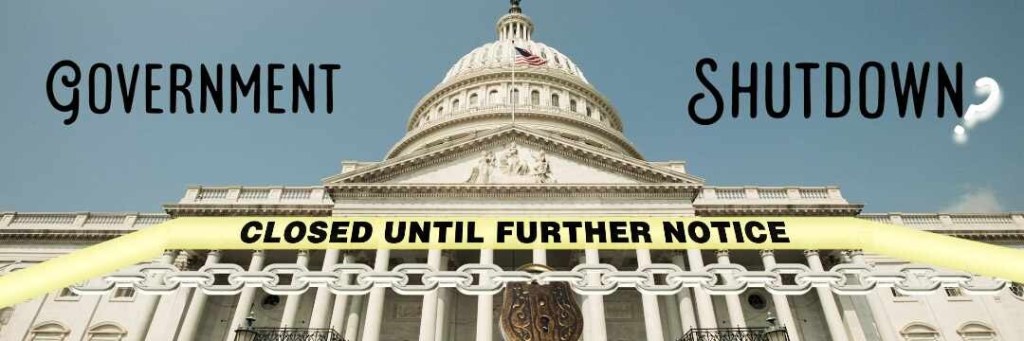
A government shutdown is now underway unless things improve before the end of the month. The beginning of the new Fiscal Year 2024 begins on Oct 1st. Congress has returned, but delays are still inevitable.
Federal News Network Reporter Tom Temin interviewed WTOP Capitol Hill Correspondent Mitchell Miller (late August) on the rapidly increasing demand for disaster funding. They discuss why the budget has been affected so much by changing rates of disaster frequency and costliness.
More disasters are happening faster than in previous decades creating changes in response times and use of resources; but more than that, the extent of damages is creating new measures of repair efforts and is compounding the need for much larger budgets than anticipated, leaving authorities blind-sighted and citizens concerned.
While Temin and Miller remain optimistic that funds will become available for future needs, they don’t seem to be addressing long-term answers for how things will go if the rate of increase doesn’t slow down.
Mitchell goes on to agree with Tom that they’re dealing with an average of one disaster per day.
In regards to Congress he noted:
“House Speaker Kevin McCarthy and Senate Majority Leader Chuck Schumer essentially said to each other, look, we know that there’s just not going to be enough time with the House not even getting back until the 12th, much less the 5th when the Senate gets back. So they are looking at another continuing resolution, some type of stopgap spending bill… If they fail to pass a budget by the end of December this year, then when…the new [fiscal] calendar year starts the automatic 1% spending cuts will go into effect at the start of 2024”
Many complications are tied to this process including the obvious government workers that would be impacted, Biden impeachment investigations, undocumented immigrants, and upsets with the amount of support Ukraine is being given (to name a few). While political parties, the White House, and legislative groups work out of all of their problems, the average Joe Victim is hanging in the balance.
Meanwhile, local charities and neighbors helping neighbors seem to be the best solution to waiting. But with limited resources, how far can these go? The local charities are some of the same who have been affected by the disasters themselves; as well as farmers and their farmland being affected across the country. On top of that, Food Banks have increased dramatically in recent years so that the number of those with food insecurities have already been maxing out budgets and resources for local charities.
In an interview with Tucker Carlson, Robert F. Kennedy, Jr. addresses some of the hardships beneficiaries are facing in food stamp shortages and Medicare (I would also say Medicaid) due to U.S. support in Ukraine (my intention is not to bring politics into this article, but to show how every day Americans are being affected by the distribution of government funds):
Are Americans ready for these drastic changes or will many continue to be blind-sided as well? The rise of popularity in homesteading, off-grid living, and intentional communities isn’t a coincidence. Many Americans are seeing problems happening beyond the control of the government’s ability to handle effectively, and are taking power back into their own hands to protect themselves and each other.
How will the government regain the trust of its people?
How can Americans and the government as a whole adapt to rapid changes in lifestyle, support, and security…when global security is rapidly changing as well?
What are you doing to adapt? Or in what ways have disasters or hardships required you to alter the way you live?
Please Share Your Thoughts & Ideas Below!
Giving it some thought,
iam:ForeverBlessed
Resources: In-article links (Click text to be directed to external resource)
Further resources and reading:
https://federalnewsnetwork.com/congress/2023/08/congress-is-on-vacation-and-fema-is-running-out-of-money/: Government Shutdown Looms as Disaster Relief Funds Are Still Stalled https://www.cnbc.com/2023/09/05/congress-returns-with-the-clock-ticking-to-avert-government-shutdown.html: Government Shutdown Looms as Disaster Relief Funds Are Still Stalled https://www.crfb.org/papers/qa-everything-you-should-know-about-government-shutdowns: Government Shutdown Looms as Disaster Relief Funds Are Still Stalled Angle & Perspective
What’s your angle and perspective?