Originally published April 9, 2023
Angle & Perspective – Journal
{Informative Article}
| Honey | Native Plant Species | Native Plants | Insect Habitats | Bee Habitats | Bee Colonies | Hive Health | Wilderness Wellness | Food Safety | Food sustainability | Indigenous Knowledge | Science | Environment | Alternative Medicine | Ancient Pathways | Conservation | Native Habitats | Indigenous Plants | Local Species | Biogeography | Ecosystems | Organic Foods | Non-GMO Foods | Environmental Threats | Rewilding | Pollinators | Wild Native Landscapes | Natural Landscape Design |
If You Want to Keep Eating Honey and Food Help Save the Bees with Native Species of Plants
Honey is worth more than gold. 🪙
Honey is an eternal food that generally has no expiration date and its medicinal use has been known and revered for ages as well. Unfortunately honey and the dutifully generous bees that offer it to us are increasingly under threat.
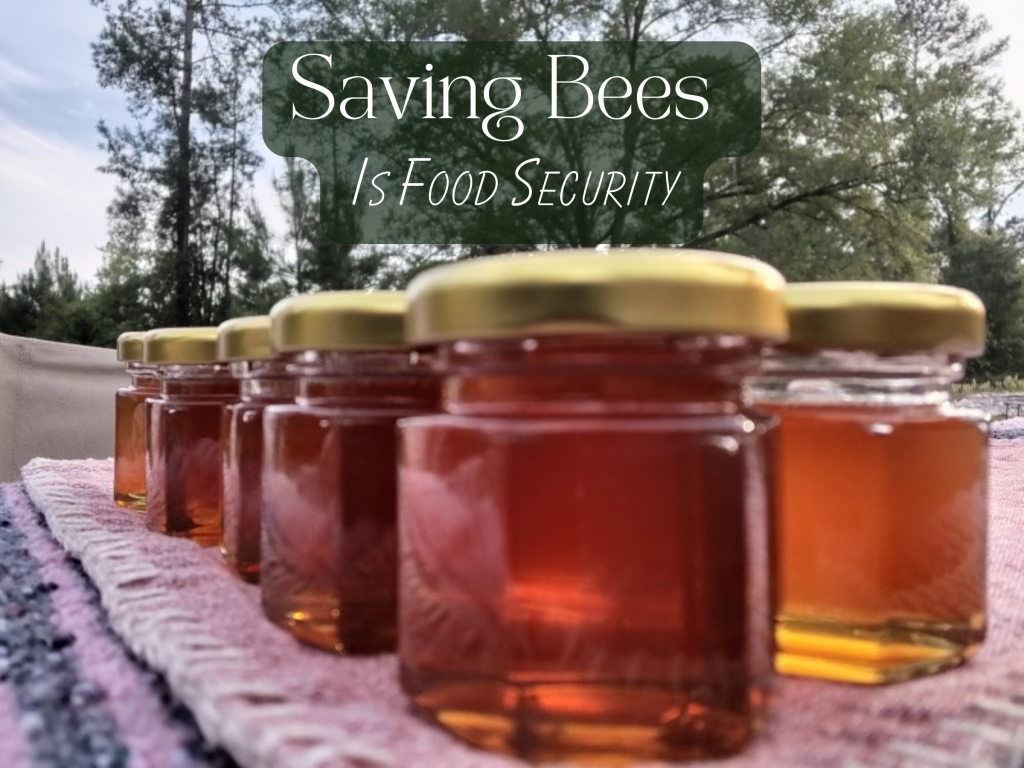
I’m writing this from my camp tent at a Native American vendor event where I’m selling my flavored organic unfiltered raw honey (a truly delicious mouthful ;)) where I’ve been asked multiple times by shoppers if I make my own honey. I inform everyone I do not and that I was instructed by my elder (pointing behind me to his camper) that I should not.
He was an avid beekeeper himself both in TX and FL and knew many more personally who have been beyond disappointed by spoiled honey and absconded hives due to mites, moths, disease, etc., and a 40% retention rate of swarms by farmers. He told me of one beekeeper whose hive went from 500 to less than 100, and other similar stories. He said it seems to have worsened within recent years.
Something is going wrong. If we want this wonder food and all produce sustained by bees to keep sustaining us, we need to take care, and be better stewards of the knowledge and resources we have to preserve both the bees and our own lives.
I also know someone who has worked on the GMO side as well, extensively trying to adapt bees to new environments. Many are concerned this course of action of tampering further with nature could (and has in some cases) prove to create worse problems. It still shows the lengths being taken to intervene in the bee loss crisis.
For example, from Brightly.eco:
“According to the report, the American bumblebee has “declined by 89% in relative abundance and continues to decline toward extinction.” This is due to many factors, including habitat loss, pesticides, climate change, and disease.”
Bees are picky eaters just like we humans are. They don’t go for every plant out there, but they go for the ones they are familiar with; the ones they prefer; the ones they are adapted to. This is why native species of plants are crucial for bee survival and thriving.
My belated husband and I used to sell organic honey on the street that we purchased in lots and rebottled. We started taking beekeeping classes and wanted to know what it took to start our own hive. I would not call it a hobby. Beekeeping is very involved and I salute anyone who’s embarked on that journey and been successful, but it was not a practical pursuit for us then, nor is it for me at this time in life.
However scattering wild native seeds in my yard, or letting the natural landscape grow out a little before cutting is easy enough for me, and maybe for you too. Raising awareness about the importance of bee habitats and ecosystems is easy enough for anyone with a voice or a link to an article to share (hint, hint).
Check with local forestry or look for native plant nurseries or events in your area to learn more.
If you have knowledge or resources for local native species of plants in your area please share them with others you know and encourage them to bee-friendly. Share in the comments section below as well if you please.
Florida Resource:
Florida Association of Native Nurseries (FANN)
FANN is Florida’s source for “growing, planting and promoting
Florida native plants for sustainable landscapes.”
Visit: https://www.fann.org/
Grateful for your help,
iam: Forever Blessed
Angle & Perspective Journal 2023

Reference Articles:
https://brightly.eco/blog/are-bees-endangered
 Angle & Perspective
What’s your angle and perspective?